프린트 판매로 전환
 더 보기
더 보기







































 가로 또는 세로 중 어느 한 면이라도 105cm(약 41인치)를 초과하는 작품이나 복제화의 경우, 프레임은 분해된 키트 형태로 배송됩니다. 이는 안전한 배송을 보장하고 운송 중 발생할 수 있는 손상을 방지하기 위함입니다.


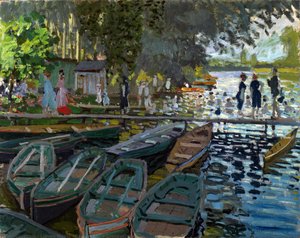
Lunch on the Grass: A Symphony of Light and Impression
Claude Monet’s “Lunch on the Grass,” painted in 1865 during his formative years as an Impressionist, stands as a cornerstone of the movement's aesthetic philosophy. More than just a depiction of a picnic scene—though undeniably charming—it embodies Monet’s relentless pursuit of capturing the ephemeral beauty of nature and translating it onto canvas with unprecedented vibrancy.
The Scene Unfolds: The painting portrays a group of figures enjoying a meal amidst a lush meadow in Giverny, Monet's estate. Thirteen individuals are visible, engaged in conversation and bathed in dappled sunlight filtering through the foliage. Tables laden with wine glasses, plates piled high with food, and scattered napkins contribute to an atmosphere of convivial relaxation—a deliberate contrast to the formal academic painting styles prevalent at the time.
Impressionistic Technique: Monet’s masterful technique exemplifies the Impressionist ethos. Rather than striving for photographic realism, he employed loose brushstrokes – visible pigment particles suspended in oil paint – to convey the sensation of light and color as perceived by the eye. The artist eschewed blending colors meticulously; instead, he layered hues side-by-side, allowing them to merge optically when viewed from a distance. This approach is particularly evident in the treatment of the grass itself—a riot of greens punctuated by yellows and blues—creating an illusion of movement and luminosity.
Historical Context & Symbolism: “Lunch on the Grass” emerged during a period of significant artistic experimentation, challenging established conventions. Monet’s decision to paint *en plein air*, directly from observation, was revolutionary, aligning with Eugène Boudin's influence and marking a decisive break from studio painting. The picnic itself carries symbolic weight—representing leisure, friendship, and the celebration of sensory experience—values central to Impressionist ideals.
Emotional Resonance: Viewing “Lunch on the Grass” evokes a profound sense of tranquility and warmth. Monet’s masterful use of color captures not only the visual splendor of the meadow but also its intangible atmosphere – the feeling of summer air, the murmur of voices, and the joy of shared companionship. It's a painting that invites contemplation and transports us back to a moment of simple beauty—a testament to Monet’s enduring legacy as one of art history’s most perceptive interpreters of light and emotion.
- Artist: Claude Monet
- Year Painted: 1865
- Style: Impressionism
- Medium: Oil on Canvas
- Location: Musée d'Orsay, Paris
Explore a stunning reproduction of “Lunch on the Grass” at Musée d'Orsay and discover how Monet’s vision continues to inspire artists and collectors worldwide.
질의응답
클로드 모네의 "Lunch on the Grass"의 대비(contrast)는 어느 정도인가요?
클로드 모네의 "Lunch on the Grass"의 대비 수준은 Statement입니다.
"Lunch on the Grass"이(가) 제작될 당시 클로드 모네의 나이는 몇 세였나요?
클로드 모네은(는) 25세에 "Lunch on the Grass"을(를) 제작했습니다. 작가는 1840년에 태어났으며, 이 작품의 제작 연도는 1865년입니다.
클로드 모네의 "Lunch on the Grass"의 색채는 얼마나 강렬한가요?
"Lunch on the Grass"의 색채 강도는 Balanced입니다. 강도는 색상이 얼마나 선명하게 느껴지는지를 나타냅니다.
이 작품에 대해 더 알아보기
 미리보기
미리보기
 공유하기
공유하기 공유하기
공유하기
 상세 정보
상세 정보 가이드 보기

 다운로드
다운로드
 유사 작품 더 보기
 X-레이
X-레이 슬라이드 쇼 보기
 질의응답
질의응답 통계 정보
통계 정보