프린트 판매로 전환
 더 보기
더 보기







































 가로 또는 세로 중 어느 한 면이라도 105cm(약 41인치)를 초과하는 작품이나 복제화의 경우, 프레임은 분해된 키트 형태로 배송됩니다. 이는 안전한 배송을 보장하고 운송 중 발생할 수 있는 손상을 방지하기 위함입니다.


A Moment Frozen in Bloom: Exploring Claude Monet’s Chrysanthemums
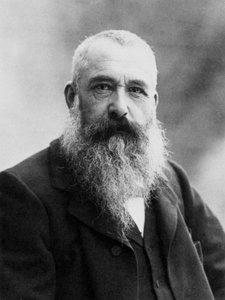
Claude Monet, a name synonymous with Impressionism, wasn't merely a painter of landscapes; he was a chronicler of fleeting moments, a poet of light and color. Born in Paris on November 14, 1840, his early life took an unexpected turn when his family relocated to Le Havre, Normandy, at the age of five. While initially destined for a commercial career by his father, young Claude’s innate artistic talent quickly surfaced, manifesting first in charcoal caricatures sold locally – a testament to both his skill and entrepreneurial spirit. However, it was his encounter with Eugène Boudin that proved pivotal. Boudin didn't just teach Monet *how* to paint; he instilled within him the revolutionary idea of painting en plein air—directly from nature—a practice that would define his entire artistic journey. Monet’s formal training began in Paris, briefly at the Académie Suisse and later under Charles Gleyre. It was here he forged lasting friendships with fellow Impressionists like Pierre-Auguste Renoir and Camille Pissarro, artists who shared Monet's unwavering devotion to capturing the ephemeral beauty of the natural world. This dedication would propel him to become one of the most influential figures in modern art history.The Painting’s Essence: Composition and Technique
Chrysanthemums (1880), housed at the Metropolitan Museum of Art, exemplifies Monet’s masterful approach to Impressionist technique. Executed on canvas measuring 39 1/2 x 32 1/4 inches using oil paints, the artwork showcases a deceptively simple subject – a vase brimming with pink chrysanthemums resting upon a table alongside a chair. Yet, within this seemingly modest arrangement lies an astonishing level of artistic sophistication. Monet’s brushstrokes are loose and expressive, eschewing precise detail in favor of conveying the sensation of light and atmosphere. Observe how he blends colors seamlessly, layering hues to create depth and luminosity—a technique honed through years of observation and experimentation. The subtle gradations of pink and white capture the delicate nuances of the flower petals themselves, while the dark blue vase provides a grounding element against which the floral vibrancy stands out brilliantly.Historical Context: Impressionism’s Pursuit of Light
Chrysanthemums emerged during the height of Impressionism's artistic fervor—a movement that challenged academic conventions and championed subjective experience as paramount to artistic representation. Artists like Monet rejected the meticulous realism favored by their predecessors, opting instead for capturing the fleeting effects of sunlight on surfaces. This preoccupation with light is palpable in every aspect of Chrysanthemums; the pale blue sky diffused through clouds subtly illuminates the vase and flowers, creating an ethereal glow that transcends mere visual depiction. The painting’s debut at Durand-Ruel in Paris in 1883 marked a significant moment in Impressionist history, signaling a decisive break from artistic tradition and establishing Monet as a pioneer of modern art.Symbolism Beyond Beauty: Chrysanthemums' Significance
Beyond its aesthetic appeal, Chrysanthemums carries symbolic weight rooted in Eastern traditions—particularly Chinese culture where it represents longevity, prosperity, and rebirth. The flower’s association with resilience and renewal speaks to the broader themes explored by Monet – capturing transient beauty and celebrating the transformative power of nature. Consider how Monet's careful placement of the vase and chair contributes to this narrative; they represent stability amidst the dynamism of the floral composition, suggesting a harmonious balance between stillness and movement.Emotional Resonance: Capturing Tranquility and Wonder
Ultimately, Chrysanthemums succeeds in conveying a profound sense of tranquility and wonder. Monet’s masterful manipulation of color and light evokes feelings of serenity and contemplation—inviting viewers to immerse themselves in the beauty of the natural world. Like many Impressionist paintings, it prioritizes emotional impact over intellectual analysis, allowing the viewer to experience the artwork on an intuitive level. Owning a reproduction of this iconic piece offers not only visual delight but also access to the legacy of one of art history’s most visionary artists.질의응답
클로드 모네의 "국화"은 어떤 미술 사조와 시대에 속하나요?
클로드 모네의 "국화"은(는) 작가의 19세기 미술 시대 중 인상주의 양식 사조에 속합니다.
"국화" 작품을 파인 아트 프린트로 구매할 수 있나요?
"국화" 작품은 코튼 캔버스 또는 아카이브용 캔버스지에 인쇄된 파인 아트 프린트를 통해 만나보실 수 있습니다. 주문은 파인 아트 프린트 페이지에서 원하시는 사이즈를 선택하여 진행하실 수 있습니다.
"국화"은(는) 무엇을 묘사하고 있으며, 어떤 분위기를 풍기나요?
클로드 모네의 "국화"은(는) 꽃, 국화, 회화, 모네, 식물 예술, 빛, 색상 팔레트와(과) 평온한한 분위기가 어우러진 작품입니다.
이 작품에 대해 더 알아보기
 미리보기
미리보기
 공유하기
공유하기 공유하기
공유하기
 상세 정보
상세 정보 가이드 보기

 다운로드
다운로드
 유사 작품 더 보기
 X-레이
X-레이 슬라이드 쇼 보기
 질의응답
질의응답 통계 정보
통계 정보