미리보기
미리보기
 공유하기
공유하기 공유하기
공유하기
 상세 정보
상세 정보

 다운로드
다운로드
 유사 작품
유사 작품 X-레이
X-레이 슬라이드 쇼
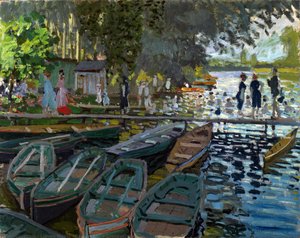
Fishing Boats (study)


 더 보기
더 보기
지클레 / 아트 프린트
빠른 제작과 다양한 마감 옵션을 제공하는 박물관 품질의 지클레이 또는 캔버스 프린트. ( 손으로 그린 그림 구매 이미지 구매)




P118B $10

P118H $10

P118W $10

P438Z $10

P508JH $12

P508YH $12

P805H $10

P805Z $10

P919BZ $10

P919G $10

P919XJ $10

P959ZH $10

P968JZ $12

W106C $8

W218G $10

W218JH $8

W218Y $10

W307PJ $10

W316G $10

W316PJ $8

W316Y $10

W398PJ $8

W4111J $10

W500HY $15

W500JH $15

W692G $12

W849H $8

W940BG $15

W953PJ $8




작품의 원본 비율을 유지하는 미리 설정된 크기 중에서 선택하세요.

특정 프레임이나 공간에 맞춰 직접 치수를 입력하실 수 있습니다. 선택하신 사이즈가 원본 이미지의 비율과 일치하지 않을 경우, 작품을 크롭(자르기)하거나 이미지를 대칭 또는 단색 채우기로 확장하여 제작합니다. 제작 시작 전, 최종 확인을 위해 디지털 목업이 전송됩니다.
화면상의 미리보기는 실제 크롭이나 확장 상태를 반영하지 않으므로, 최종 구도는 오직 목업을 통해서만 정확하게 확인하실 수 있습니다.
맞춤 사이즈 제작도 가능하지만, 원본 비율을 유지하기 위해서는 사전 정의된 목록에서 치수를 선택하시는 것을 권장합니다.


 유리 옵션은 110cm 미만 크기에서만 선택 가능합니다.

Fishing Boats (study)
지클레 / 아트 프린트
복제본 크기
-


최종 결제 금액
$ 80
작품 상세 설명
A Symphony of Motion: Capturing the Pulse of the Harbor
In the delicate dance of light and shadow that defines Claude Monet’s Fishing Boats (study), we find more than just a maritime scene; we encounter a visceral fragment of life caught in mid-breath. This captivating work offers a dynamic snapshot of a bustling harbor, where the air feels thick with the salt of the sea and the energetic hum of industry. Rather than providing a precise, photographic rendering of a port, Monet presents an impression—a fleeting moment where the boundaries between water, wood, and wind begin to dissolve. The composition is intentionally dense, pulling the viewer into a crowded seascape filled with numerous vessels. Through the clever overlapping of forms and the rhythmic placement of distinctive triangular sails, Monet creates a profound sense of depth, inviting the eye to wander through the labyrinthine movement of the fleet.
The emotional resonance of this study lies in its raw, unbridled energy. There is a certain beautiful chaos within the frame, a sense of a world in constant flux. As one gazes upon the canvas, the heavy, visible brushstrokes—the celebrated impasto technique—animate the surface, suggesting the rhythmic sway of boats buffeted by gentle waves and the brisk, purposeful activity of a working port. For the collector or interior designer, this piece serves as a powerful focal point, bringing a sense of movement and organic vitality to any space, whether it be a serene study or a sophisticated living area.
The Mastery of Light and Texture
Technically, Fishing Boats (study) is a masterclass in the use of oil paint to convey atmosphere. Monet’s palette here is grounded in a sophisticated arrangement of earthy tones—rich browns, warm ochres, and crisp whites—which provide a sturdy foundation for the more ethereal elements of the scene. These muted hues are strategically punctuated by sudden, vibrant touches of blue and red, acting as visual anchors that draw the eye across the textured landscape of the canvas. This interplay of color does not merely decorate the surface; it breathes life into the very atmosphere of the harbor.
The artist’s approach to light is nothing short of poetic. The lighting appears diffused, as if filtered through a light coastal mist, casting soft, indistinct shadows that enhance the painting's atmospheric quality. This lack of harsh definition allows the forms to merge into a singular, cohesive experience of light and color. By utilizing expressive, gestural marks rather than rigid lines, Monet defines the shapes of the sails and hulls with a sense of immediacy. The result is a work that feels less like a static object and more like a living, breathing entity, capturing the ephemeral essence of the maritime world.
A Legacy of Impression and Human Endeavor
To understand this study, one must look toward the historical currents of the late 19th century. While Monet is the pioneer of Impressionism, this particular work leans into the expressive qualities of Post-Impressionism, pushing beyond the simple recording of light to express a more subjective, emotional perception of reality. It reflects a period when the world was witnessing the rapid rise of modern industrial activity; harbors like the one depicted were vital, pulsing hubs of commerce and human survival. In this context, the boats represent more than just vessels; they are symbols of human endeavor, industry, and the persistent spirit of those who navigate the untamed forces of nature.
There is a profound, quiet symbolism in the relationship between the man-made structures of the boats and the vast, elemental sea. While the painting avoids overt allegory, it speaks eloquently to the delicate balance between human ambition and the powerful, unpredictable rhythms of the natural world. For those seeking to adorn their homes with art that inspires contemplation and evokes a sense of timelessness, this reproduction of Monet’s vision offers an unparalleled opportunity to possess a piece of art history—a window into a moment where the fleeting beauty of the world was captured forever in paint.
작가 약력
빛으로 기록된 순간들: 클로드 모네의 세계
인상주의라는 단어와 함께 떠오르는 이름, 클로드 모네는 단순한 풍경화가가 아니었습니다. 그는 덧없이 흘러가는 순간들을 기록하고, 빛과 색채로 시를 읊조리는 예술가였습니다. 1840년 11월 14일 파리에서 태어난 모네는 다섯 살의 어린 나이에 가족과 함께 노르망디의 로베르에 정착하면서 그의 삶은 예상치 못한 방향으로 흘러갔습니다. 아버지로부터 상업적인 경력을 권유받았지만, 젊은 클로드의 타고난 예술적 재능은 곧 드러나기 시작했습니다. 그는 지역에서 판매하는 숯 연필 캐리커처를 통해 자신의 기술과 기업가 정신을 동시에 증명했습니다. 하지만 Eugène Boudin과의 만남은 그의 예술 여정 전체를 정의할 운명이었습니다. 부댕은 모네에게 그림 그리는 방법을 가르치는 것 이상으로, 자연 앞에서 직접 – 즉 앙 플레어 기법으로 – 그림을 그려야 한다는 혁신적인 아이디어를 심어주었습니다.
모네의 정식 미술 교육은 파리에서 시작되었으며, 잠시 아카데미 스위스에 다녔고 이후 샤를 글레르에게 사사했습니다. 이곳에서 그는 오귀스트 르누아르와 같은 동료 예술가들과 깊은 우정을 쌓았는데, 이는 전통적인 학파 회화의 제약으로부터 벗어나고자 하는 공유된 예술적 좌절감과 열망에 기반한 것이었습니다. 그의 초기 작품들은 기술적으로 능숙했지만, 곧 그의 스타일을 특징지을 독특한 개성이 부족했습니다. 이후 격변의 시기가 찾아왔습니다. 프로이센-프랑스 전쟁으로 인해 모네는 런던에서 피난해야 했고, 그곳에서 J.M.W. 터너와 같은 영국의 풍경화가들의 작품에 몰두하며 대기 효과와 혁신적인 색상 사용법을 흡수했습니다.
미학적 혁명의 탄생
프랑스로 돌아온 모네는 싹트고 있는 예술적 반항의 중심 인물이 되었습니다. 살롱의 보수적인 기준에 불만을 품은 그는 다른 뜻이 같은 예술가들과 힘을 합쳐 독립 전시회를 조직했습니다. 1874년 전시회는 모네뿐만 아니라 미술계 전체에게 있어 중요한 전환점이 되었습니다. 바로 이 자리에서 그의 작품 “인상, 해돋이” (Impression, soleil levant)가 처음 공개되었고, 여기서 유래한 비판적인 용어 "인상주의"가 탄생했습니다. 하지만 이 명칭은 곧 예술 운동의 상징으로 자리 잡았으며, 정확한 묘사보다는 장면의 주관적인 *인상*을 포착하려는 노력을 나타내는 표지가 되었습니다.
모네의 대표적인 스타일이 이 시기에 꽃피기 시작했습니다. 느슨하고 눈에 띄는 붓놀림, 색 옆에 나란히 배치된 생생하고 종종 혼합되지 않은 색상 ( “분할 기법”으로 알려진 기술) 그리고 빛의 일시적인 특성을 포착하는 데 대한 확고한 집중이 특징입니다. 그는 앙 플레어 기법을 끊임없이 추구하며, 변화하는 조건이 장면을 바꾸기 전에 빠르게 자신의 즉각적인 인식을 기록했습니다. 이것은 단순히 자신이 *보는* 것을 묘사하는 것이 아니라, 그가 그것에 반응하여 *느끼는* 방식을 표현하는 것 – 예술적 관습으로부터의 급진적인 전환이었습니다.
귀베르니: 빛과 반영의 낙원
1883년 모네는 파리 북서쪽 귀베르니에 정착하여 집과 정원을 건설했는데, 이는 그의 안식처이자 영감의 가장 큰 원천이 되었습니다. 그는 이 부동산을 화려한 낙원으로 변모시켰으며, 이국적인 꽃, 우울한 버드나무, 그리고 가장 유명하게는 일본 다리가 놓인 연못으로 꾸몄습니다. 이것은 단순한 장식적인 정원이 아니라, 모네가 빛의 효과를 물, 잎, 반사 현상에 대해 통제된 조건에서 연구할 수 있는 살아있는 실험실이었습니다.
그의 삶의 마지막 수십 년은 거의 연못의 수련화를 그리는 데 전적으로 바쳤습니다. 그는 거대한 캔버스를 통해 연못 표면을 끊임없이 변화하는 색상과 빛의 태피스트리로 표현하는 기념비적인 수련 시리즈 (Nymphéas)를 시작했습니다. 이것들은 단순한 꽃 그림이 아니라, 관람객을 고요함과 사색의 세계에 몰입시키는 몰입형 경험이었습니다. 이러한 작품의 규모는 숨막힐 정도로 전통 회화의 경계를 넓히고 추상 표현주의를 예견합니다.
유산: 예술사에 미친 지속적인 영향
클로드 모네의 예술사적 영향력은 헤아릴 수 없을 정도입니다. 그는 인상주의의 창시자일 뿐만 아니라, 예술가들이 주변 세계를 인식하고 표현하는 방식을 근본적으로 변화시켰습니다. 주관적인 경험에 대한 강조, 앙 플레어 기법의 포용, 혁신적인 기술은 현대 미술이 추상화와 비표현적 형태 탐구를 할 수 있는 길을 열었습니다.
모네는 그의 시대의 선구적인 예술가임에도 불구하고 생전에 상당한 상업적 성공을 거두었습니다. 그의 작품은 전 세계 박물관 전시회를 통해 계속해서 경외심과 감탄을 불러일으키며 서양 미술에서 가장 중요한 인물 중 한 명으로서의 지위를 확고히 하고 있습니다. 오르세 미술관, 마모탕 모네 미술관 등 저명한 기관에 그의 걸작 컬렉션이 소장되어 있어 그의 비전이 세대를 거쳐 계속해서 세계를 밝힐 수 있도록 보장합니다.
주요 예술 기법
- 앙 플레어 기법: 그의 발전에 핵심적인 역할을 하며 빛과 대기를 직접 관찰할 수 있게 해줍니다.
- 분할 기법: 광학적 혼합을 위해 순수한 색상의 작은 붓놀림을 옆에 배치합니다.
- 시리즈 회화: 다양한 조명 및 날씨 조건에서 동일한 주제를 묘사하여 시간과 빛의 변화하는 힘을 보여줍니다.
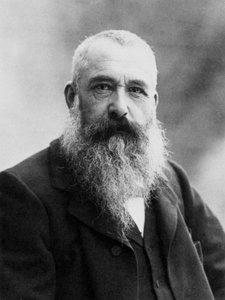
클로드 모네
1840 - 1926 , 프랑스
주요 정보
- 국적: 프랑스
- 대표 작품:
- 인상, 해돋이
- 수련 연작
- 보리밭 연작
- 루앙 대성당 연작
- 사망일: 1926년 12월 5일
- 영향을 받은 예술 사조: ['현대 미술']
- 영향을 준 예술가:
- 외젠 부댕
- J.M.W 터너
- 예술 사조: 인상주의
- 전체 이름: 클로드 모네
- 출생일: 1840년 11월 14일
- 출생지: 파리, 프랑스
관련 기사 더 보기
클로드 모네의 걸작 25선: 빛과 색채로 물든 예술 세계 | OriginalUniqueArt
클로드 모네의 시대를 초월한 걸작 25선을 만나보세요. 인상주의 화가 모네의 빛과 색채, 그리고 숨겨진 이야기를 OriginalUniqueArt에서 감상하세요. 거실, 침실을 위한 고급 미술 작품 컬렉션을 지금 바로 탐험해보세요! OriginalUniqueArt.com

Boats on Canvas: 10 Masterpieces of Maritime Art for Your Home Decor
Sail away with 10 iconic boat paintings! Explore masterpieces by Monet, Van Gogh & Turner. Discover the stories behind these timeless seascapes and find museum-quality art reproductions for your home decor at OriginalUniqueArt.com.
파리 오르세 미술관의 걸작 25선: 예술과 영감의 정수 | OriginalUniqueArt
파리 오르세 미술관의 숨겨진 이야기를 담은 25개의 걸작을 만나보세요. 모네, 드가, 고흐 등 인상주의 화가들의 명작과 그 감동적인 스토리를 OriginalUniqueArt에서 경험하세요. 홈 데코에 영감을 불어넣으세요! 지금 바로 컬렉션을 탐험하세요.

Impressionism's Masterpieces: 10 Paintings That Defined a Movement | OriginalUniqueArt
Journey through Impressionism's heart with 10 iconic paintings by Monet, Renoir & Degas. Explore light, color & the stories behind these masterpieces. Find museum-quality art reproductions and elevate your home decor on OriginalUniqueArt.com.
Capturing Light: The Revolution of Impressionism and the Enduring Legacy of Claude Monet
Explore the revolutionary history of Impressionism and the luminous legacy of Claude Monet. Discover how his mastery of light and color redefined modern art through an expert-led journey into the heart of 19th-century France.