미리보기
미리보기
 공유하기
공유하기 공유하기
공유하기
 상세 정보
상세 정보

 다운로드
다운로드
 유사 작품
유사 작품 X-레이
X-레이 슬라이드 쇼
 통계 정보
통계 정보cliffs near dieppe


 더 보기
더 보기
지클레 / 아트 프린트
빠른 제작과 다양한 마감 옵션을 제공하는 박물관 품질의 지클레이 또는 캔버스 프린트. ( 손으로 그린 그림 구매 디지털 이미지로 전환)




P118B $10

P118H $10

P118W $10

P438Z $10

P508JH $12

P508YH $12

P805H $10

P805Z $10

P919BZ $10

P919G $10

P919XJ $10

P959ZH $10

P968JZ $12

W106C $8

W218G $10

W218JH $8

W218Y $10

W307PJ $10

W316G $10

W316PJ $8

W316Y $10

W398PJ $8

W4111J $10

W500HY $15

W500JH $15

W692G $12

W849H $8

W940BG $15

W953PJ $8




작품의 원본 비율을 유지하는 미리 설정된 크기 중에서 선택하세요.

특정 프레임이나 공간에 맞춰 직접 치수를 입력하실 수 있습니다. 선택하신 사이즈가 원본 이미지의 비율과 일치하지 않을 경우, 작품을 크롭(자르기)하거나 이미지를 대칭 또는 단색 채우기로 확장하여 제작합니다. 제작 시작 전, 최종 확인을 위해 디지털 목업이 전송됩니다.
화면상의 미리보기는 실제 크롭이나 확장 상태를 반영하지 않으므로, 최종 구도는 오직 목업을 통해서만 정확하게 확인하실 수 있습니다.
맞춤 사이즈 제작도 가능하지만, 원본 비율을 유지하기 위해서는 사전 정의된 목록에서 치수를 선택하시는 것을 권장합니다.


 유리 옵션은 110cm 미만 크기에서만 선택 가능합니다.

cliffs near dieppe
지클레 / 아트 프린트
복제본 크기
-


최종 결제 금액
$ 80
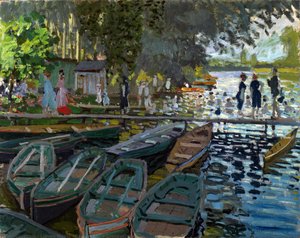
A Glimpse of Normandy: Claude Monet’s “Cliffs Near Dieppe”
This captivating painting, “Cliffs Near Dieppe,” offers a beautiful example of Claude Monet's early exploration of *plein air* painting and his burgeoning Impressionistic style. While the exact date remains unknown, it is believed to have been created during one of Monet’s frequent visits to the Normandy coast – a region that profoundly influenced his artistic development. The scene depicts a lively beachside vista, dominated by imposing cliffs that define the landscape near Dieppe, France.Subject and Composition
The painting centers around a bustling beach scene, populated with figures enjoying the seaside air. These individuals are rendered not as sharply defined portraits, but rather as suggestions of form, contributing to the overall impressionistic effect. The composition is dynamic; our eye travels from the foreground figures along the sandy shore towards the dramatic cliffs in the background and then out to the expanse of water. The sky, filled with swirling clouds, adds a sense of atmospheric drama and movement. Monet masterfully balances the human element with the grandeur of nature, showcasing his interest in capturing fleeting moments of everyday life within a broader landscape context.Style and Technique
“Cliffs Near Dieppe” exemplifies the core tenets of Impressionism. Monet prioritizes the depiction of light and its effects on color and form over precise representational accuracy. Visible brushstrokes, applied with a loose and spontaneous hand, create a textured surface that vibrates with energy. The colors are vibrant yet subtly blended, capturing the nuances of sunlight reflecting off the water and sand. This technique – a departure from the smooth, polished surfaces favored by academic painters – was revolutionary for its time. Monet’s use of broken color—applying small touches of pure pigment side-by-side—allows the viewer's eye to blend them optically, creating a shimmering effect that mimics natural light.Historical Context and Influences
Monet’s artistic journey began with traditional training, but he quickly gravitated towards painting outdoors, inspired by his mentor Eugène Boudin. This embrace of *plein air* painting was pivotal in the development of Impressionism. During the 1860s, Monet frequently exhibited alongside other artists who would become central figures in the movement – Renoir, Pissarro, and Sisley. However, their work faced rejection from the conservative Salon system, leading to the establishment of independent exhibitions that ultimately showcased the innovative spirit of Impressionism. The cliffs near Dieppe were a popular subject for artists during this period, drawn by the dramatic scenery and the opportunity to study atmospheric effects.Symbolism and Emotional Impact
While not overtly symbolic, “Cliffs Near Dieppe” evokes a sense of tranquility and joy. The presence of people enjoying the beach suggests leisure and connection with nature. The cliffs themselves can be interpreted as symbols of enduring strength and resilience, contrasting with the ephemeral quality of light and weather. The painting’s overall effect is one of atmospheric immersion, inviting the viewer to share in the experience of being present on that Normandy shore. The work captures a specific mood – a breezy, sun-dappled afternoon – and conveys a feeling of peaceful contemplation.Collecting & Interior Design Considerations
A reproduction of “Cliffs Near Dieppe” would be an exquisite addition to any art collection or interior space. Its palette of blues, greens, and sandy tones lends itself well to coastal-inspired décor, but its timeless quality allows it to complement a variety of styles. The painting’s dynamic composition and vibrant energy make it a focal point in a living room, dining area, or study.- Scale: Consider the size of your space when selecting a reproduction.
- Framing: A simple frame that complements the colors within the painting will enhance its visual impact.
- Placement: Position the artwork where it can be viewed from multiple angles and illuminated by natural light.
작가 약력
빛으로 기록된 순간들: 클로드 모네의 세계
인상주의라는 단어와 함께 떠오르는 이름, 클로드 모네는 단순한 풍경화가가 아니었습니다. 그는 덧없이 흘러가는 순간들을 기록하고, 빛과 색채로 시를 읊조리는 예술가였습니다. 1840년 11월 14일 파리에서 태어난 모네는 다섯 살의 어린 나이에 가족과 함께 노르망디의 로베르에 정착하면서 그의 삶은 예상치 못한 방향으로 흘러갔습니다. 아버지로부터 상업적인 경력을 권유받았지만, 젊은 클로드의 타고난 예술적 재능은 곧 드러나기 시작했습니다. 그는 지역에서 판매하는 숯 연필 캐리커처를 통해 자신의 기술과 기업가 정신을 동시에 증명했습니다. 하지만 Eugène Boudin과의 만남은 그의 예술 여정 전체를 정의할 운명이었습니다. 부댕은 모네에게 그림 그리는 방법을 가르치는 것 이상으로, 자연 앞에서 직접 – 즉 앙 플레어 기법으로 – 그림을 그려야 한다는 혁신적인 아이디어를 심어주었습니다.
모네의 정식 미술 교육은 파리에서 시작되었으며, 잠시 아카데미 스위스에 다녔고 이후 샤를 글레르에게 사사했습니다. 이곳에서 그는 오귀스트 르누아르와 같은 동료 예술가들과 깊은 우정을 쌓았는데, 이는 전통적인 학파 회화의 제약으로부터 벗어나고자 하는 공유된 예술적 좌절감과 열망에 기반한 것이었습니다. 그의 초기 작품들은 기술적으로 능숙했지만, 곧 그의 스타일을 특징지을 독특한 개성이 부족했습니다. 이후 격변의 시기가 찾아왔습니다. 프로이센-프랑스 전쟁으로 인해 모네는 런던에서 피난해야 했고, 그곳에서 J.M.W. 터너와 같은 영국의 풍경화가들의 작품에 몰두하며 대기 효과와 혁신적인 색상 사용법을 흡수했습니다.
미학적 혁명의 탄생
프랑스로 돌아온 모네는 싹트고 있는 예술적 반항의 중심 인물이 되었습니다. 살롱의 보수적인 기준에 불만을 품은 그는 다른 뜻이 같은 예술가들과 힘을 합쳐 독립 전시회를 조직했습니다. 1874년 전시회는 모네뿐만 아니라 미술계 전체에게 있어 중요한 전환점이 되었습니다. 바로 이 자리에서 그의 작품 “인상, 해돋이” (Impression, soleil levant)가 처음 공개되었고, 여기서 유래한 비판적인 용어 "인상주의"가 탄생했습니다. 하지만 이 명칭은 곧 예술 운동의 상징으로 자리 잡았으며, 정확한 묘사보다는 장면의 주관적인 *인상*을 포착하려는 노력을 나타내는 표지가 되었습니다.
모네의 대표적인 스타일이 이 시기에 꽃피기 시작했습니다. 느슨하고 눈에 띄는 붓놀림, 색 옆에 나란히 배치된 생생하고 종종 혼합되지 않은 색상 ( “분할 기법”으로 알려진 기술) 그리고 빛의 일시적인 특성을 포착하는 데 대한 확고한 집중이 특징입니다. 그는 앙 플레어 기법을 끊임없이 추구하며, 변화하는 조건이 장면을 바꾸기 전에 빠르게 자신의 즉각적인 인식을 기록했습니다. 이것은 단순히 자신이 *보는* 것을 묘사하는 것이 아니라, 그가 그것에 반응하여 *느끼는* 방식을 표현하는 것 – 예술적 관습으로부터의 급진적인 전환이었습니다.
귀베르니: 빛과 반영의 낙원
1883년 모네는 파리 북서쪽 귀베르니에 정착하여 집과 정원을 건설했는데, 이는 그의 안식처이자 영감의 가장 큰 원천이 되었습니다. 그는 이 부동산을 화려한 낙원으로 변모시켰으며, 이국적인 꽃, 우울한 버드나무, 그리고 가장 유명하게는 일본 다리가 놓인 연못으로 꾸몄습니다. 이것은 단순한 장식적인 정원이 아니라, 모네가 빛의 효과를 물, 잎, 반사 현상에 대해 통제된 조건에서 연구할 수 있는 살아있는 실험실이었습니다.
그의 삶의 마지막 수십 년은 거의 연못의 수련화를 그리는 데 전적으로 바쳤습니다. 그는 거대한 캔버스를 통해 연못 표면을 끊임없이 변화하는 색상과 빛의 태피스트리로 표현하는 기념비적인 수련 시리즈 (Nymphéas)를 시작했습니다. 이것들은 단순한 꽃 그림이 아니라, 관람객을 고요함과 사색의 세계에 몰입시키는 몰입형 경험이었습니다. 이러한 작품의 규모는 숨막힐 정도로 전통 회화의 경계를 넓히고 추상 표현주의를 예견합니다.
유산: 예술사에 미친 지속적인 영향
클로드 모네의 예술사적 영향력은 헤아릴 수 없을 정도입니다. 그는 인상주의의 창시자일 뿐만 아니라, 예술가들이 주변 세계를 인식하고 표현하는 방식을 근본적으로 변화시켰습니다. 주관적인 경험에 대한 강조, 앙 플레어 기법의 포용, 혁신적인 기술은 현대 미술이 추상화와 비표현적 형태 탐구를 할 수 있는 길을 열었습니다.
모네는 그의 시대의 선구적인 예술가임에도 불구하고 생전에 상당한 상업적 성공을 거두었습니다. 그의 작품은 전 세계 박물관 전시회를 통해 계속해서 경외심과 감탄을 불러일으키며 서양 미술에서 가장 중요한 인물 중 한 명으로서의 지위를 확고히 하고 있습니다. 오르세 미술관, 마모탕 모네 미술관 등 저명한 기관에 그의 걸작 컬렉션이 소장되어 있어 그의 비전이 세대를 거쳐 계속해서 세계를 밝힐 수 있도록 보장합니다.
주요 예술 기법
- 앙 플레어 기법: 그의 발전에 핵심적인 역할을 하며 빛과 대기를 직접 관찰할 수 있게 해줍니다.
- 분할 기법: 광학적 혼합을 위해 순수한 색상의 작은 붓놀림을 옆에 배치합니다.
- 시리즈 회화: 다양한 조명 및 날씨 조건에서 동일한 주제를 묘사하여 시간과 빛의 변화하는 힘을 보여줍니다.
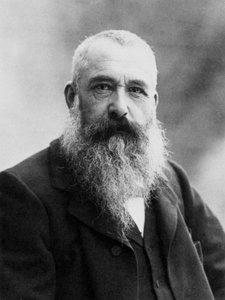
클로드 모네
1840 - 1926 , 프랑스
주요 정보
- 국적: 프랑스
- 대표 작품:
- 인상, 해돋이
- 수련 연작
- 보리밭 연작
- 루앙 대성당 연작
- 사망일: 1926년 12월 5일
- 영향을 받은 예술 사조: ['현대 미술']
- 영향을 준 예술가:
- 외젠 부댕
- J.M.W 터너
- 예술 사조: 인상주의
- 전체 이름: 클로드 모네
- 출생일: 1840년 11월 14일
- 출생지: 파리, 프랑스
관련 기사 더 보기

Impressionistic Landscapes: 10 Masterpieces That Changed Art & Decor
Journey into the heart of Impressionism! Explore 10 masterpieces by Monet, Renoir & Degas that revolutionized landscape art. Discover their stories, techniques & find museum-quality reproductions to elevate your home decor on OriginalUniqueArt.com.

인상주의 풍경화의 황홀한 순간들: 10대 걸작에 담긴 예술혼
인상주의 풍경화의 정수를 담은 10대 걸작! 모네, 르누아르 등 거장의 작품 비하인드 스토리와 예술혼을 만나보세요. OriginalUniqueArt에서 고품격 미술 복제 및 인테리어 영감을 얻고, 당신의 공간에 예술적 감성을 더하세요. 지금 바로 OriginalUniqueArt.com에서 모든 걸작을 발견해보세요!
Golden Fields & Sun-Drenched Meadows: Capturing the Soul of Impressionist Landscapes
Immerse yourself in the luminous world of Impressionist landscapes. Discover how masters like Monet and Gauguin captured ephemeral light through plein air painting, and learn to bring the soul of sun-drenched meadows into your home with exquisite, hand-painted oil reproductions.
Chasing the Light: A Soulful Journey Through the Luminous Masterpieces of Claude Monet
Immerse yourself in the luminous world of Claude Monet. Discover a soulful exploration of his Impressionist masterpieces, paired with exquisite, hand-painted oil reproductions designed to bring the ephemeral beauty of light and color into your home. Expertly curated by OriginalUniqueArt.com.
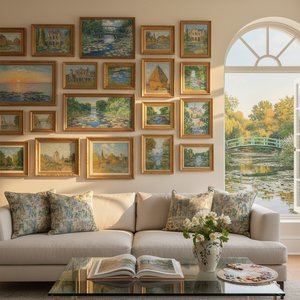
클로드 모네의 걸작 25선: 빛과 색채로 물든 예술 세계 | OriginalUniqueArt
클로드 모네의 시대를 초월한 걸작 25선을 만나보세요. 인상주의 화가 모네의 빛과 색채, 그리고 숨겨진 이야기를 OriginalUniqueArt에서 감상하세요. 거실, 침실을 위한 고급 미술 작품 컬렉션을 지금 바로 탐험해보세요! OriginalUniqueArt.com