Impressionism · 1879
A Meadow (클로드 모네, 1879)
클로드 모네 (1840–1926) 작가의 A Meadow 1879년에 제작되었습니다. Impressionism 운동에 속합니다. 캔버스에 유채(으)로 제작되었습니다. 오마하, 미국에 위치한 Joslyn Art Museum에 소장되어 있습니다.
- 1879
- 캔버스에 유채
- Joslyn Art Museum, 오마하

 미리보기

 수작업 유화 작품
 공유하기
 공유하기
 학습용 요약본


 다운로드
 유사 작품 더 보기
 X-레이
 슬라이드 쇼 보기
 질의응답

 통계 정보
A Meadow 요약
- 제목
- A Meadow
- 작가
- 클로드 모네 (1840–1926)
- 작가 출생지
- 파리, 프랑스
- 제작 연도
- 1879
- 매체
- 캔버스에 유채
- 전시 장소
- Joslyn Art Museum, 오마하, 미국
- 제작 시기
- 19세기 미술
A Meadow은(는) 무엇을 묘사하고 있나요?
The Essence of a Moment: Unveiling Monet’s “A Meadow”
Claude Monet's "A Meadow," painted in 1879, isn’t merely a landscape; it’s an exquisitely captured distillation of a fleeting moment. Housed within the walls of the Joslyn Art Museum in Omaha, this oil on canvas transports us to a serene field bathed in the dappled light of a summer afternoon. More than just depicting a scene, Monet sought to convey his *perception* of that scene – the way sunlight danced upon the grasses, the subtle shifts in color as clouds drifted across the sky, and the feeling of warmth and tranquility that permeated the air. It’s a testament to the core philosophy of Impressionism: to capture not just what is seen, but how it is felt.
The painting immediately draws the eye with its vibrant palette. Monet masterfully employed greens of varying hues – from the deep emerald of shadowed foliage to the lighter, almost luminous shades of sunlit grasses – creating a sense of depth and movement within the meadow. Yellows burst forth from wildflowers scattered across the field, punctuated by touches of blue in the expansive sky above. These colors aren’t blended smoothly; instead, they are applied in short, broken brushstrokes, characteristic of Monet's Impressionist technique. This deliberate lack of blending is crucial to capturing the ephemeral quality of light and atmosphere – a key element that defines the style.
Impressionism in Action: Light, Color, and Perception
Monet’s approach to painting “A Meadow” exemplifies his innovative techniques. He moved away from traditional academic methods, which prioritized precise detail and realistic representation, and instead focused on expressing his subjective experience of the scene. This is most evident in his use of color – he didn't attempt to replicate the exact hues he saw, but rather used colors that evoked the *impression* of light and atmosphere. The brushstrokes themselves are loose and visible, adding a sense of spontaneity and immediacy to the work. He was deeply influenced by Eugène Boudin, who encouraged him to paint “en plein air,” directly from nature, allowing him to observe and capture the ever-changing effects of light firsthand.
The inclusion of two figures in the field adds a subtle layer of narrative without disrupting the overall sense of serenity. They are positioned strategically – one closer to the left side, partially obscured by foliage, and another further back on the right – suggesting a quiet moment of contemplation within this idyllic setting. These figures aren’t the focal point; rather, they serve as anchors for our gaze, inviting us to fully immerse ourselves in the beauty of the landscape.
A Series Within a Series: Monet's Exploration of Light
“A Meadow” is part of a larger series of paintings by Monet that explored similar subjects at different times of day and under varying weather conditions. Like his Haystacks, Rouen Cathedrals, and Water Lilies, this painting represents an attempt to capture the *essence* of a single subject through repeated observations. This systematic approach allowed Monet to meticulously document the subtle shifts in light and color that occurred throughout the day, revealing the dynamic nature of the natural world. The series highlights his fascination with capturing the fleeting effects of sunlight and atmosphere – a core tenet of Impressionist philosophy.
Beyond the Canvas: Context and Legacy
To appreciate “A Meadow” fully, it’s helpful to consider its place within Monet's broader artistic trajectory. Following the Franco-Prussian War, Monet, along with other artists, sought to break free from the constraints of academic painting and explore new ways of representing the world around them. His work paved the way for modern art, influencing generations of painters who followed. For those seeking further exploration into Monet’s life and works, a visit to the List of Paintings by Claude Monet on Wikipedia is highly recommended.
A Meadow은(는) 어느 미술관에 소장되어 있나요?
Joslyn Art Museum
오마하, 미국
예술과 역사의 증언: 오마하 조슬린 미술관 네브래스카주 오마하의 활기 넘치는 심장부에 자리한 조슬린 미술관은 단순한 예술의 전당이 아닙니다. 이곳은 시대를 관통하고, 문화를 담아내며, 인류 역사의 흐름을 비추는 거대한 창문과 같습니다. 1931년 설립자 사라 H.


A Meadow의 고해상도 이미지

클로드 모네, A Meadow (1879), Joslyn Art Museum. 퍼블릭 도메인
A Meadow에 관한 질문과 답변
현재 클로드 모네의 "A Meadow"은(는) 어디에서 관람할 수 있나요?
클로드 모네의 "A Meadow"의 원작은 Joslyn Art Museum, 오마하, 미국에 소장되어 있습니다. 복제화를 통해 이 작품을 집에서도 감상하실 수 있습니다.
클로드 모네의 "A Meadow"은(는) 언제 제작되었나요?
클로드 모네의 "A Meadow"의 기법은 무엇인가요?
"A Meadow"은(는) 캔버스에 유채 기법으로 제작되었습니다.
클로드 모네의 "A Meadow"은(는) 퍼블릭 도메인인가요?
"A Meadow"은(는) 어떤 화풍에 속하나요?
"A Meadow"은(는) 클로드 모네의 예술적 발전 단계 중 어느 시기를 나타냅니까?
"A Meadow"이(가) 제작될 당시 클로드 모네의 나이는 몇 세였나요?
아티스트 클로드 모네 소개
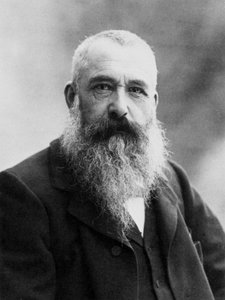
1840–1926, 프랑스
클로드 모네
유년 시절과 가족, 그리고 예술적 훈련 1840년 11월 14일 프랑스 파리에서 태어난 클로드 모네는 서로 다른 기대가 교차하는 세상 속에서 삶을 시작했습니다. 그의 아버지 클로드 아돌프 모네는 아들이 보다 안정적인 직업의 길을 걷기를 바랐으나, 어머니 루이즈 쥐스틴 오브레 모네는 아들의 마음속에서 피어오르는 창조적 성향을 묵묵히 지지해 주었습니다. 이후 가족은 노르망디의 르아브르로 이주하게 되었고, 그곳의 해안가 대기는 어린 소년의 감각에 지워지지 않을 깊은 인상을 남겼습니다. 이 유년 시절은 드로잉에 대한 천부적인 재능이 발현되던 시기였으며, 이 재능은 결국 아버지가 원했던 상업적인 관심사로부터 그를 멀어지게 만드는 결정적인 계기가 되었습니다.
클로드 모네의 다른 작품들
 수련 (또는 연꽃)1916
 인상, 해돋이1872
 건초더미: 눈의 효과1891
 산책. 양산 든 여인1875

A Meadow 관련 에세이
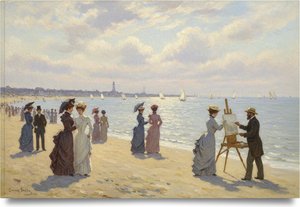 Eugène Boudin: Capturing Fleeting Moments – A Study of Light, Atmosphere & the Birth of ImpressionismExplore the life & art of Eugène Boudin, a pioneer of plein air painting and key influence on Impressionism. Discover his masterful light s…
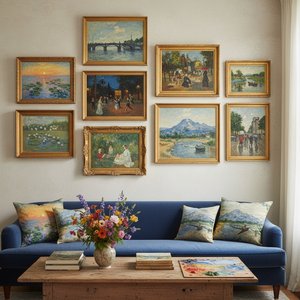 Impressionistic Landscapes: 10 Masterpieces That Changed Art & DecorJourney into the heart of Impressionism! Explore 10 masterpieces by Monet, Renoir & Degas that revolutionized landscape art. Discover their…
 French artworks of the 1880sFrench Impressionist masterpieces by Claude Monet, Pierre-Auguste Renoir, and Georges Seurat. Find museum-quality reproductions on Original…