프린트 판매로 전환
 더 보기
더 보기







































 가로 또는 세로 중 어느 한 면이라도 105cm(약 41인치)를 초과하는 작품이나 복제화의 경우, 프레임은 분해된 키트 형태로 배송됩니다. 이는 안전한 배송을 보장하고 운송 중 발생할 수 있는 손상을 방지하기 위함입니다.


A Frozen Canvas: The Essence of Quebec Winter
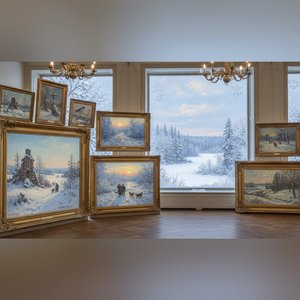
Clarence Alphonse Gagnon's "Killing the Pig" (1933) isn't merely a landscape painting; it’s a distilled moment of raw, elemental beauty and quiet, almost defiant, strength. Captured with an Impressionistic fervor, the scene unfolds within the starkly rendered winter wilderness of Quebec’s Laurentian Mountains – a region that profoundly shaped Gagnon’s artistic vision. The composition immediately draws the eye to a small, weathered cabin nestled amongst snow-laden pines, its warm light a fragile beacon against the encroaching darkness. Beyond, a lone figure, partially obscured by the swirling snow, engages in the brutal act of dispatching a wild pig – an action both pragmatic and imbued with a palpable sense of struggle.
Impressionistic Detail and a Masterful Palette
Gagnon’s technique is characterized by loose, expressive brushstrokes that capture the fleeting effects of light and snow. He employs a vibrant yet restrained palette – deep blues and purples dominate the sky, reflecting off the crystalline surface of the snow, while warm ochres and browns ground the scene in the earthiness of the cabin and the animal’s hide. The artist skillfully utilizes broken color to create an illusion of depth and movement, particularly evident in the swirling snowdrifts that seem to engulf the landscape. Close examination reveals a meticulous attention to detail; each pine needle, each shard of ice, is rendered with a delicate precision that belies the painting's overall Impressionistic style. The use of glazing techniques adds luminosity and richness to the surface, creating a tactile quality that invites the viewer to almost feel the cold air.
Symbolism in the Wilderness: Resilience and Survival
“Killing the Pig” is rich with symbolic weight. The act of hunting itself speaks to humanity’s enduring relationship with nature – a constant negotiation between survival and respect. The pig, often associated with greed and excess, becomes a symbol of overcoming hardship and asserting control over one's environment. Yet, there’s no triumphant celebration here; the figure is solitary, weathered, and engaged in a difficult task. This suggests a quiet dignity born from necessity rather than boastful victory. The cabin represents shelter, community, and the promise of warmth and sustenance – essential elements for enduring the harsh realities of winter. The surrounding wilderness, rendered with both beauty and menace, underscores the vulnerability of human existence within nature’s vastness.
A Legacy of Quebec Landscape
Clarence Gagnon was a pivotal figure in Canadian art, deeply committed to capturing the spirit of his homeland. His work is inextricably linked to the Laurentian Mountains and Charlevoix region, areas he considered sacred. “Killing the Pig” exemplifies this dedication, offering a profound meditation on the relationship between humanity and nature – a theme that resonates powerfully even today. Gagnon’s ability to convey both the sublime beauty and the unforgiving brutality of the Canadian winter is unparalleled. Reproductions of this iconic painting offer a window into a bygone era, inviting viewers to contemplate the enduring values of resilience, resourcefulness, and the profound connection between art and landscape.
질의응답
Killing the Pig은(는) 클라렌스 알폰스 가뇽의 예술적 여정 중 어느 시기의 작품인가요?
"Killing the Pig"은(는) 클라렌스 알폰스 가뇽의 예술적 생애 중 Mature Period 시기의 작품입니다. 이 분류를 통해 해당 작품을 작가의 예술적 발전 과정과 연결해 볼 수 있습니다.
"Killing the Pig"의 작가인 클라렌스 알폰스 가뇽는 다른 이름으로도 알려져 있나요?
클라렌스 알폰스 가뇽은(는) C.A. 가뇽, 클라렌스 가뇽라는 이름으로도 활동하고 있습니다.
클라렌스 알폰스 가뇽의 "Killing the Pig"의 기법은 무엇인가요?
클라렌스 알폰스 가뇽의 "Killing the Pig"의 재료는 Acrylic On Canvas입니다. 복제화는 이 기법 특유의 질감을 그대로 구현하는 것을 목표로 합니다.
이 작품에 대해 더 알아보기
 미리보기
미리보기
 공유하기
공유하기 공유하기
공유하기
 상세 정보
상세 정보 가이드 보기

 다운로드
다운로드
 유사 작품 더 보기
 X-레이
X-레이 슬라이드 쇼 보기
 질의응답
질의응답 통계 정보
통계 정보