
 미리보기
미리보기
 공유하기
공유하기 공유하기
공유하기
 상세 정보
상세 정보

 다운로드
다운로드
 유사 작품
유사 작품 X-레이
X-레이 슬라이드 쇼
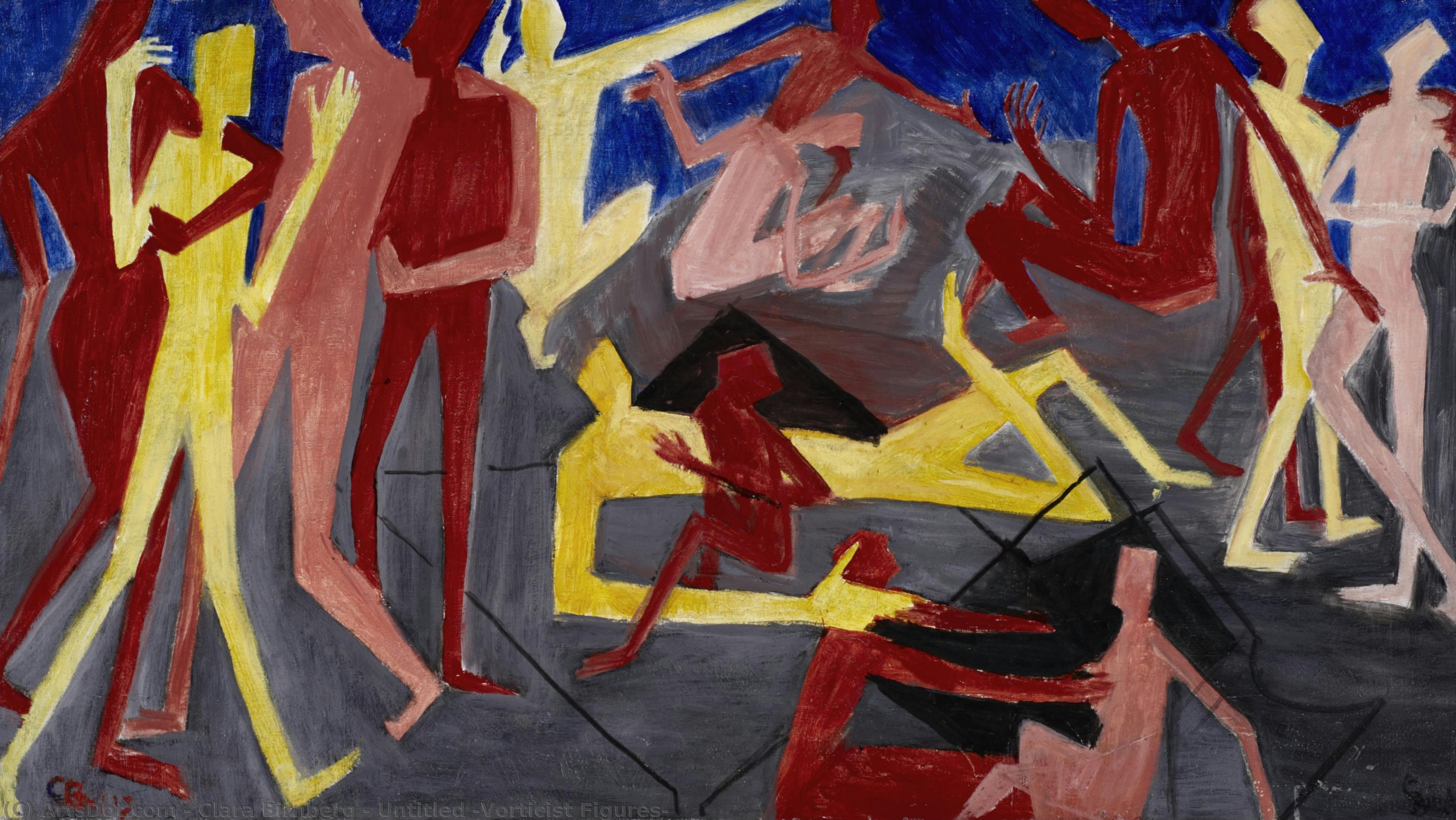
Untitled (Vorticist Figures)
 Painting
- Vorticism
 1911
1911- Modern
 45.0 x 81.0 cm
 Ben Uri Gallery and Museum
 더 보기
더 보기
지클레 / 아트 프린트
빠른 제작과 다양한 마감 옵션을 제공하는 박물관 품질의 지클레이 또는 캔버스 프린트. ( 수제 페인팅으로 전환하기 이미지로 전환)




P118B $10

P118H $10

P118W $10

P438Z $10

P508JH $12

P508YH $12

P805H $10

P805Z $10

P919BZ $10

P919G $10

P919XJ $10

P959ZH $10

P968JZ $12

W106C $8

W218G $10

W218JH $8

W218Y $10

W307PJ $10

W316G $10

W316PJ $8

W316Y $10

W398PJ $8

W4111J $10

W500HY $15

W500JH $15

W692G $12

W849H $8

W940BG $15

W953PJ $8




작품의 원본 비율을 유지하는 미리 설정된 크기 중에서 선택하세요.

특정 프레임이나 공간에 맞춰 직접 치수를 입력하실 수 있습니다. 선택하신 사이즈가 원본 이미지의 비율과 일치하지 않을 경우, 작품을 크롭(자르기)하거나 이미지를 대칭 또는 단색 채우기로 확장하여 제작합니다. 제작 시작 전, 최종 확인을 위해 디지털 목업이 전송됩니다.
화면상의 미리보기는 실제 크롭이나 확장 상태를 반영하지 않으므로, 최종 구도는 오직 목업을 통해서만 정확하게 확인하실 수 있습니다.
맞춤 사이즈 제작도 가능하지만, 원본 비율을 유지하기 위해서는 사전 정의된 목록에서 치수를 선택하시는 것을 권장합니다.


 유리 옵션은 110cm 미만 크기에서만 선택 가능합니다.

Untitled (Vorticist Figures)
지클레 / 아트 프린트
복제본 크기
-


최종 결제 금액
$ 80
작품 상세 설명
A Pulse of Urban Vitality: The Vorticist Spirit
In the heart of the early twentieth century, as the world stood on the precipice of profound industrial and social transformation, Clara Birnberg captured a moment of raw, kinetic energy in her 1911 masterpiece, Untitled (Vorticist Figures). This painting is not merely a depiction of a street scene; it is a rhythmic exploration of movement and human connection within the modern cityscape. Through a bold, vibrant palette and a composition that defies traditional perspective, Birnberg invites the viewer into a bustling urban theater where every figure contributes to a larger, swirling dance of life. The work vibrates with the spirit of the Vorticist movement, utilizing flattened forms and sharp, geometric intersections to mirror the fragmented yet interconnected nature of modern existence.
The scene unfolds across a street teeming with activity, where at least thirteen distinct individuals navigate their shared environment. Some figures stand tall, observing the flow of the city, while others are captured in moments of repose, sitting or lying down amidst the architectural backdrop. There is a fascinating tension between the permanence of the buildings and the fleeting, transient nature of the people passing through them. Birnberg masterfully employs depth not through classical shading, but through the strategic layering of figures—placing some in the immediate foreground to create intimacy, while others recede into the distance, pulling the eye deeper into the urban labyrinth. This technique creates a sense of immersion, making the collector feel less like an observer and more like a participant in this lively metropolitan moment.
Technique and the Language of Modernism
While some might describe the execution as crude or stripped-back, it is precisely this pared-down approach that lends the painting its enduring power. Birnberg utilizes a flattened pictorial plane to emphasize shape and color over anatomical precision. This stylistic choice aligns her with the avant-garde movements of her era, where the essence of a subject was found in its structural energy rather than its literal likeness. The colors are unapologetically bright, acting as emotional anchors that guide the viewer's gaze across the canvas. Each stroke serves to define the boundaries of the figures and the geometry of the architecture, creating a mosaic of human interaction that feels both chaotic and meticulously orchestrated.
For the discerning collector or interior designer, this piece offers a profound sense of movement and character. It is an ideal selection for spaces that require a focal point of high energy—a room where conversation and vitality are encouraged. The painting’s ability to bridge the gap between historical significance and modern aesthetic appeal makes it a timeless addition to any curated collection. As a hand-painted reproduction, every nuance of Birnberg's original vision is preserved, offering an opportunity to bring the electric atmosphere of 1911 London into a contemporary setting. To possess this work is to hold a fragment of history, a captured heartbeat of a world in motion.
작가 약력
Clara Birnberg (née Winsten): A British Artist Bridging Worlds
Born in Romania in 1892, Clara Birnberg’s artistic journey took her from the heart of Eastern Europe to the vibrant and evolving art scene of early 20th-century England. Initially known as Clara Weinstein, she later adopted the surname Winsten upon marrying fellow artist Stephen Winsten – a union that profoundly shaped both their creative lives and their shared commitment to pacifism. Her story is one of resilience, artistic exploration, and a deep engagement with social and political currents of her time.
Clara’s early life was marked by displacement and the echoes of persecution. Her family’s emigration from Romania in 1902, fleeing anti-Semitic violence, instilled within her a sensitivity to themes of identity, belonging, and the human condition. This formative experience would later inform much of her work, particularly her poignant portraits and symbolic illustrations. The Slade School of Fine Art between 1910 and 1912 proved pivotal, providing her with technical skills alongside exposure to influential figures like Isaac Rosenberg and David Bomberg – artists who formed the nucleus of the ‘Whitechapel Boys,’ a collective known for its radical approach to art and its engagement with social issues.
This association with the Whitechapel Boys was particularly significant. As the only female member, Clara navigated a predominantly male artistic environment, forging her own distinctive voice within a group grappling with questions of modernity, identity, and the complexities of post-Impressionism. Her work during this period reflected both the influence of her peers and her burgeoning individual style – characterized by bold colors, dynamic compositions, and a willingness to explore challenging subject matter.
Artistic Style and Notable Works
Clara Winsten’s artistic output spanned painting, sculpture, and illustration. Her paintings often featured portraits—not merely likenesses but explorations of character and emotion—as well as evocative landscapes and symbolic compositions. She was particularly known for her watercolor works, employing a loose, expressive style that captured both the beauty and the turmoil of the world around her. Her sculptures, frequently commissioned by prominent figures like George Bernard Shaw, demonstrated a growing technical skill and an ability to imbue inanimate materials with life and meaning.
Among her most celebrated achievements is the bronze sculpture of George Bernard Shaw, created in 1946. This piece, reflecting Shaw’s intellectual stature and humanist values, stands as a testament to Winsten's skill and her deep understanding of her subject. Other notable works include her illustrations for Shaw’s *Buoyant Billions*, a satirical comedy that showcased her ability to capture the wit and charm of the playwright’s prose, and several portraits of prominent figures from British society.
Her work during World War I reflected her pacifist beliefs. She created powerful symbolic images exploring themes of conflict and its devastating consequences. The ‘Attack,’ a dynamic watercolor depicting battle and divine intervention, exemplifies this period's artistic concerns – a potent blend of realism and spiritual contemplation.
Connections to the Whitechapel Boys and Jewish Identity
Clara Winsten’s association with the 'Whitechapel Boys' was more than just an artistic affiliation; it represented a shared cultural heritage and a commitment to social justice. The group, comprised largely of Jewish artists and poets living in East London, provided a space for creative exchange and intellectual debate—a vital counterpoint to the prevailing conservative attitudes of the time. Her background as a member of the Jewish community profoundly influenced her artistic perspective, informing her engagement with themes of identity, displacement, and the complexities of belonging.
Her marriage to Stephen Winsten further solidified this connection, creating a collaborative partnership built on shared values and mutual respect. Together, they became active participants in Quaker humanistic circles, advocating for peace and social justice through their art and their lives. The couple’s commitment to pacifism was deeply intertwined with their artistic practice, shaping the themes and messages conveyed in their work.
Legacy and Recognition
Clara Birnberg (Winsten) left behind a significant body of work that continues to be studied and appreciated today. Her paintings and sculptures are held in various museums and collections across the United Kingdom, including the Stanley and Audrey Burton Art Gallery in Leeds and the Aurora Art Fund in Bucharest, Romania – reflecting her dual heritage and international artistic reach.
Her story serves as a reminder of the contributions made by women artists throughout history—often overlooked or marginalized—and highlights the enduring power of art to challenge conventions, express profound emotions, and promote social change. Clara Winsten’s legacy endures not only through her artistic creations but also through her unwavering commitment to humanism and her pioneering spirit as a female artist in a male-dominated field.

clara birnberg
1892 - 1989 , Romania
주요 정보
- Artistic Movement Or Style: Post-Impressionist, Portraiture
- Artists Or Movements Influenced By This Artist:
- Whitechapel Boys
- Quakers
- Artists Who Influenced This Artist:
- Isaac Rosenberg
- David Bomberg
- Date Of Birth: 1892, Romania
- Date Of Death: 1989
- Full Name: Clara Birnberg (Winsten)
- Nationality: British
- Notable Artworks:
- Attack
- George Bernard Shaw (sculpture)
- Joan of Arc (sculpture)
- Place Of Birth: Romania
관련 기사 더 보기
From Walls to Galleries: The Bold Evolution of Street Art and Its Rise into High-End Collectibles
Explore the captivating journey of street art from urban walls to prestigious galleries. Discover how contemporary graffiti has evolved into a high-end collectible movement, redefining modern interior design and global art culture.
Banksy Unmasked: The Street Art Icon Redefining Modern Rebellion and the Future of Urban Aesthetics
Dive into the subversive world of Banksy. Explore how this street art icon uses stencil rebellion to redefine modern culture, from political satire to high-impact urban aesthetics. Discover the future of pop-culture trends and the evolution of street art as a premium collectible.
Concrete Narratives: Exploring Urban Life in Modern & Contemporary Art
Explore the evolution of cityscape painting with OriginalUniqueArt. Discover key artists from Realism to contemporary movements & invest in timeless urban visions. Expert guidance, museum-quality reproductions.
Beyond Graffiti: Exploring the Evolution & Cultural Impact of Street Art for Collectors
Explore the evolution of street art from rebellious origins to a respected fine art form. Discover key artists like Banksy & learn how to collect urban art with confidence. Expert insights for discerning investors.

거리 예술의 부상: 도시 공간을 재정의하는 현대적 시각과 문화적 반향
도시 공간을 재정의하는 거리 예술의 부상과 문화적 반향을 심층 분석합니다. 현대 미술 투자 가치, 지역 공동체와의 상호작용, 그리고 수집가를 위한 인사이트를 제공합니다.

