

 실제 크기로 보기
 보내기
보내기 공유하기
공유하기
 상세 보기
상세 보기 가이드 보기

 이미지 다운로드
 유사 작품 더 보기
 X-레이
X-레이 슬라이드 쇼 보기
 통계 정보
통계 정보Crucifix (detail)
 Acrylic On Canvas
- WallArt
- Early Renaissance
 1268
1268- Renaissance
 64.0 x 53.0 cm
 San Domenico
 상세 보기
상세 보기
지클레 / 아트 프린트
빠른 제작과 다양한 마감 옵션을 선택할 수 있는 박물관 수준의 지클레이 및 캔버스 프린트. ( 수작업 채색 복제본 주문하기 디지털 이미지 판매 채널로 전환)




P118B ₩10

P118H ₩10

P118W ₩10

P438Z ₩10

P508JH ₩12

P508YH ₩12

P805H ₩10

P805Z ₩10

P919BZ ₩10

P919G ₩10

P919XJ ₩10

P959ZH ₩10

P968JZ ₩12

W106C ₩8

W218G ₩10

W218JH ₩8

W218Y ₩10

W307PJ ₩10

W316G ₩10

W316PJ ₩8

W316Y ₩10

W398PJ ₩8

W4111J ₩10

W500HY ₩15

W500JH ₩15

W692G ₩12

W849H ₩8

W940BG ₩15

W953PJ ₩8




작품의 원본 비율을 그대로 유지하는 프리셋 사이즈 중에서 선택해 보세요.

액자나 벽면 크기에 맞춰 필요한 가로와 세로 길이를 입력해 주세요. 프린트는 원본 이미지보다 크게 제작할 수 없으며 오직 자르는 것만 가능하므로, 비율이 다른 사이즈를 선택할 경우 이미지의 일부가 잘려 나갈 수 있습니다. 인쇄 작업에 들어가기 전, 최종 확인을 위해 디지털 목업을 보내드립니다. 이 페이지에 표시된 이미지는 실제 잘리는 영역을 나타내지 않으며, 오직 목업을 통해서만 정확한 확인이 가능합니다.


 유리 옵션은 110cm 미만 크기에서만 선택 가능합니다.

Crucifix (detail)
지클레 / 아트 프린트
복제본 규격
-


총 결제 금액
₩ 108600
A Window Into Early Renaissance Sorrow: Cimabue’s ‘Crucifix (detail)’
Cimabue's “Crucifix (detail),” painted in 1268, is more than just a depiction of Christ on the cross; it’s a profound meditation on suffering and faith, a pivotal work that marks a crucial transition within Western art. Measuring a modest 64 x 53 cm, this panel painting offers an intimate glimpse into the burgeoning artistic sensibilities of Florence during the late Middle Ages. The piece, housed originally in the Basilica di Santa Croce in Florence (now sadly damaged), reveals Cimabue’s deliberate departure from the rigid conventions of Byzantine iconography while retaining a deep respect for its spiritual core.
The painting immediately draws the eye to Jesus Christ, centrally positioned and rendered with an unprecedented degree of emotional intensity. His body, stretched taut across the wooden cross, is depicted in a manner that subtly anticipates the naturalism championed by later Renaissance masters. Cimabue’s use of color—rich reds for the drapery, vibrant yellows highlighting the wounds, and deep blues suggesting both the heavens and the shadows—creates a dramatic visual impact. Notice particularly the halo surrounding Christ's head, not a simple golden circle but an intricate, layered effect achieved through careful application of tempera paint – a technique that builds up texture and luminosity with each successive layer.
The Byzantine Echoes and Renaissance Seeds
Cimabue’s artistic lineage is inextricably linked to Byzantium. He was trained in Constantinople, the heart of the Eastern Roman Empire, absorbing its profound influence on painting—a style characterized by flattened figures, symbolic colors, and a focus on spiritual rather than physical representation. However, Cimabue wasn't content to simply replicate Byzantine models; he began to experiment with perspective, spatial depth, and more realistic portrayals of human anatomy – elements that would soon define the Renaissance. The background, adorned with a shimmering gold design—likely inspired by illuminated manuscripts—adds an element of opulence and grandeur, yet it serves primarily to emphasize the central figure’s suffering.
The deliberate use of gold is significant. In Byzantine art, gold symbolized divinity and the heavenly realm. Here, it subtly elevates Christ's sacrifice, suggesting his connection to God. The composition itself is carefully constructed; the outstretched arms of the crucified Christ are a powerful visual metaphor for surrender and acceptance. Cimabue’s decision to depict such raw emotion—the agony etched on Christ’s face, the vulnerability of his body—represents a bold step towards portraying human experience with greater honesty and depth.
Technique and Materials: A Masterclass in Tempera
“Crucifix (detail)” is executed entirely in tempera paint on wood. This medium, derived from egg yolk, offered exceptional durability and allowed for meticulous layering of color. Cimabue’s mastery of tempera is evident in the painting's rich textures and luminous effects. The impasto—the raised application of paint—creates a tactile quality that invites close examination. The artist skillfully manipulated the viscosity of the paint to achieve subtle gradations of tone, adding depth and volume to the figures and drapery.
Furthermore, Cimabue’s use of *sfumato* – a technique involving hazy, blurred outlines—creates an atmospheric effect that softens the harshness of the scene. This delicate blurring contributes to the overall sense of sorrow and vulnerability, drawing the viewer into Christ's profound suffering. The painting is a testament to Cimabue’s technical skill and his willingness to push the boundaries of artistic convention.
A Timeless Testament to Faith and Humanity
“Crucifix (detail)” remains a profoundly moving work of art, offering a poignant glimpse into the spiritual and emotional landscape of 13th-century Florence. It’s a powerful reminder of Christ's sacrifice and a testament to Cimabue’s pioneering role in shaping the course of Western art history. Today, through OriginalUniqueArt’s meticulously crafted reproductions, this masterpiece can be brought into any home or space, serving as a constant source of contemplation and inspiration. The detail and color fidelity capture the essence of Cimabue's original vision, allowing you to experience the profound beauty and emotional depth of this iconic work firsthand.
질의응답
"Crucifix (detail)"의 색감은 얼마나 강렬한가요?
김밥우의 "Crucifix (detail)"의 색채는 Clear Color Presence의 채도와 Vivid의 강도를 보여줍니다.
김밥우의 "Crucifix (detail)"은(는) 세로형, 가로형 또는 정사각형 구도인가요?
김밥우의 "Crucifix (detail)"은(는) Portrait 형식입니다. 이 형식은 작품 구성의 비율을 나타냅니다.
1268년에 "Crucifix (detail)"을(를) 제작할 당시 김밥우의 나이는 몇 세였나요?
김밥우은(는) 28세에 "Crucifix (detail)"을(를) 제작했습니다. 작가는 1240년에 태어났으며, 이 작품의 제작 연도는 1268년입니다.
작가 소개
Giovanni Cimabue (c. 1240-1300): 예술의 전환을 이끈 선구자
Cimabue는 기원후 1240년 피렌체에서 태어나 기원후 1302년에 사망한 이탈리아 화가이자 모자이크 예술가입니다. 그는 비잔티아 미술 전통과 이탈리아 레네상스의 새로운 혁신 사이를 연결하는 중요한 인물로 평가받습니다. 그의 삶은 역사 기록에 비해 부분적으로 불명확하지만, 그는 예술가들에게 도전하고 새로운 가능성을 탐구하도록 격려한 용감한 혁신가였습니다. 그의 초상화는 이탈리아 레네상스의 예술적 지혜를 보여주는 중요한 작품입니다. 그는 기원후 1290년 피사의 성 프란체스코 대성당에 위치한 마에스타와 같은 주요 작품으로 레네상스 미술의 새로운 시대를 열었습니다. 그의 그림은 단순한 역사적 유물이 아니라 인간 감정과 경험을 반영하는 예술입니다.초기 영향과 예술적 발전
Cimabue는 초기 작품에서 비잔티아 스타일의 엄격한 형식과 영적인 초점을 따랐습니다. 그러나 이러한 제약 속에서도 그는 형태와 표현에 대한 새로운 욕구를 키워나가기 시작했습니다. 그의 정확한 교육은 논쟁의 여지가 있지만 그는 피렌체 작업장에서 시간과 함께 자신의 독특한 예술적 목소리를 개발하면서 당시 기술과 영향력을 흡수했을 것입니다. 비잔티아 스타일은 형식과 영적인 초점을 특징으로 하는 전통이었지만 Cimabue는 변화를 향한 점진적인 발걸음을 내딛고 과거의 존경과 새로운 가능성의 조화를 이루었습니다. 그는 단순히 기존 형태를 복제하는 것이 아니라 그림에 생명감과 감정적 깊이를 불어넣으려고 노력했습니다. 그의 초기 작품은 이탈리아 레네상스 미술의 지혜를 보여주는 중요한 작품입니다. 그는 기원후 1270년 피사의 성 도메니코 대성당에 위치한 크루시피션 또한 레네상스 미술의 새로운 시대를 열었습니다. 그림 속 인물들은 이전 예술 작품에서 흔히 발견되는 거리감 있는 표현과는 대조적으로 볼륨과 존재감을 향상시키고 있습니다. 그는 기원후 1290년 피사의 성 프란체스코 대성당에 위치한 마에스타는 레네상스 미술의 새로운 시대를 열었습니다. 이 거대한 알타르피엑스는 형식과 색깔을 활용하여 그의 뛰어난 기술을 보여주면서 전통적인 제약 속에서도 변화를 향한 점진적인 발걸음을 내딛고 있습니다. 그는 기원후 1270년 피사의 성 도메니코 대성당에 위치한 크루시피션 또한 레네상스 미술의 새로운 시대를 열었습니다. 이 그림은 기원후 1290년 피사의 성 프란체스코 대성당에 위치한 마에스타와 같은 주요 작품으로 레네상스 미술의 새로운 시대를 열었습니다. 그는 기원후 1270년 피사의 성 도메니코 대성당에 위치한 크루시피션 또한 레네상스 미술의 새로운 시대를 열었습니다. 이 그림은 기원후 1290년 피사의 성 프란체스코 대성당에 위치한 마에스타와 같은 주요 작품으로 레네상스 미술의 새로운 시대를 열었습니다. 그는 기원후 1270년 피사의 성 도메니코 대성당에 위치한 크루시피션 또한 레네상스 미술의 새로운 시대를 열었습니다. 이 그림은 기원후 1290년 피사의 성 프란체스코 대성당에 위치한 마에스타와 같은 주요 작품으로 레네상스 미술의 새로운 시대를 열었습니다. 그는 기원후 1270년 피사의 성 도메니코 대성당에 위치한 크루시피션 또한 레네상스 미술의 새로운 시대를 열었습니다. 이 그림은 기원후 1290년 피사의 성 프란체스코 대성당에 위치한 마에스타와 같은 주요 작품으로 레네상스 미술의 새로운 시대를 열었습니다. 그는 기원후 1270년 피사의 성 도메니코 대성당에 위치한 크루시피션 또한 레네상스 미술의 새로운 시대를 열었습니다. 이 그림은 기원후 1290년 피사의 성 프란체스코 대성당에 위치한 마에스타와 같은 주요 작품으로 레네상스 미술의 새로운 시대를 열었습니다. 그는 기원후 1270년 피사의 성 도메니코 대성당에 위치한 크루시피션 또한 레네상스 미술의 새로운 시대를 열었습니다. 이 그림은 기원후 1290년 피사의 성 프란체스코 대성당에 위치한 마에스타와 같은 주요 작품으로 레네상스 미술의 새로운 시대를 열었습니다. 그는 기원후 1270년 피사의 성 도메니코 대성당에 위치한 크루시피션 또한 레네상스 미술의 새로운 시대를 열었습니다. 이 그림은 기원후 1290년 피사의 성 프란체스코 대성당에 위치한 마에스타와 같은 주요 작품으로 레네상스 미술의 새로운 시대를 열었습니다. 그는 기원후 1270년 피사의 성 도메니코 대성당에 위치한 크루시피션 또한 레네상스 미술의 새로운 시대를 열었습니다. 이 그림은 기원후 1290년 피사의 성 프란체스코 대성당에 위치한 마에스타와 같은 주요 작품으로 레네상스 미술의 새로운 시대를 열었습니다. 그는 기원후 1270년 피사의 성 도메니코 대성당에 위치한 크루시피션 또한 레네상스 미술의 새로운 시대를 열었습니다. 이 그림은 기원후 1290년 피사의 성 프란체스코 대성당에 위치한 마에스타와 같은 주요 작품으로 레네상스 미술의 새로운 시대를 열었습니다. 그는 기원후 1270년 피사의 성 도메니코 대성당에 위치한 크루시피션 또한 레네상스 미술의 새로운 시대를 열었습니다. 이 그림은 기원후 1290년 피사의 성 프란체스코 대성당에 위치한 마에스타와 같은 주요 작품으로 레네상스 미술의 새로운 시대를 열었습니다. 그는 기원후 1270년 피사의 성 도메니코 대성당에 위치한 크루시피션 또한 레네상스 미술의 새로운 시대를 열었습니다. 이 그림은 기원후 1290년 피사의 성 프란체스코 대성당에 위치한 마에스타와 같은 주요 작품으로 레네상스 미술의 새로운 시대를 열었습니다. 그는 기원후 1270년 피사의 성 도메니코 대성당에 위치한 크루시피션 또한 레네상스 미술의 새로운 시대를 열었습니다. 이 그림은 기원후 1290년 피사의 성 프란체스코 대성당에 위치한 마에스타와 같은 주요 작품으로 레네상스 미술의 새로운 시대를 열었습니다. 그는 기원후 1270년 피사의 성 도메니코 대성당에 위치한 크루시피션 또한 레네상스 미술의 새로운 시대를 열었습니다. 이 그림은 기원후 1290년 피사의 성 프란체스코 대성당에 위치한 마에스타와 같은 주요 작품으로 레네상스 미술의 새로운 시대를 열었습니다. 그는 기원후 1270년 피사의 성 도메니코 대성당에 위치한 크루시피션 또한 레네상스 미술의 새로운 시대를 열었습니다. 이 그림은 기원후 1290년 피사의 성 프란체스코 대성당에 위치한 마에스타와 같은 주요 작품으로 레네상스 미술의 새로운 시대를 열었습니다. 그는 기원후 1270년 피사의 성 도메니코 대성당에 위치한 크루시피션 또한 레네상스 미술의 새로운 시대를 열었습니다. 이 그림은 기원후 1290년 피사의 성 프란체스코 대성당에 위치한 마에스타와 같은 주요 작품으로 레네상스 미술의 새로운 시대를 열었습니다. 그는 기원후 1270년 피사의 성 도메니코 대성당에 위치한 크루시피션 또한 레네상스 미술의 새로운 시대를 열었습니다. 이 그림은 기원후 1290년 피사의 성 프란체스코 대성당에 위치한 마에스타와 같은 주요 작품으로 레네상스 미술의 새로운 시대를 열었습니다. 그는 기원후 1270년 피사의 성 도메니코 대성당에 위치한 크루시피션 또한 레네상스 미술
김밥우
1240 - 1302 , 이탈리아
작가 정보 요약
- Artistic Movement Or Style: 비잔티아 및 레네상스 스타일
- Artists Or Movements Influenced By This Artist: ['지오토 디 본도네']
- Artists Who Influenced This Artist:
- 주타 피사노
- 코포 디 마르코발도
- Date Of Birth: c. 1240
- Date Of Death: 1302
- Full Name: Giovanni Cimabue
- Nationality: 이탈리아
- Notable Artworks:
- 마에스타
- 크루시피션
- 플라게이션 오브 크리스
- Place Of Birth: Florence, Italy
관련 기사
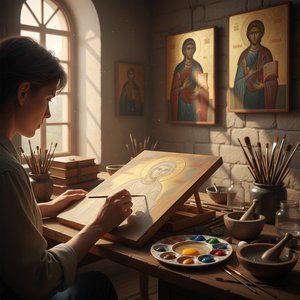
Illuminating Surfaces: A Comprehensive Exploration of Tempera on Panel Painting Techniques & Historical Significance
Explore the rich history & techniques of tempera painting! Discover Renaissance masters like Botticelli & Fra Angelico, conservation insights, and the enduring legacy of this captivating art form. Learn more now!

The Alchemy of Egg Yolk: Mastering the Timeless Art of Tempera Painting
Explore the profound alchemy of egg tempera painting. Discover how medieval masters used egg yolk and pure pigments to create luminous, enduring masterpieces that define art history. A deep dive into the disciplined techniques of the Old Masters for the true art enthusiast.
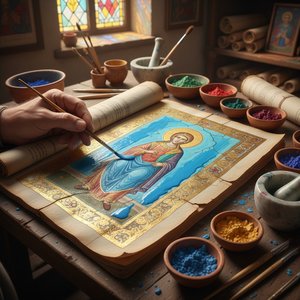
Illuminating History: A Comprehensive Exploration of Tempera Painting Techniques & Artistic Legacy
Explore the rich history & techniques of tempera painting! Discover Renaissance masters like Botticelli & Fra Angelico, conservation insights, and the enduring legacy of this captivating art form.
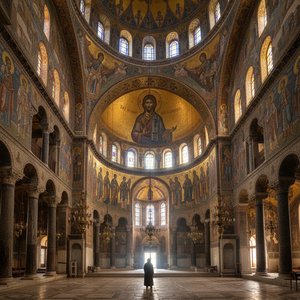
Illuminating Eternity: A Comprehensive Exploration of Byzantine Art's Legacy
Explore the rich history & stunning artistry of the Byzantine Empire! Discover iconic mosaics, profound symbolism, and lasting influence on Western art. A comprehensive guide for history lovers.
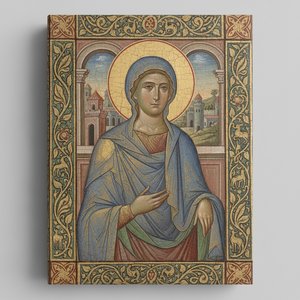
Tempera's Timeless Legacy: 10 Masterpieces That Revolutionized Art | OriginalUniqueArt
Journey through 10 legendary tempera on panel masterpieces by Giotto, Duccio & Botticelli. Explore the history, symbolism & enduring beauty of these iconic artworks. Find museum-quality reproductions for your home at OriginalUniqueArt.com.


