
 미리보기
미리보기
 공유하기
공유하기 공유하기
공유하기
 상세 정보
상세 정보

 다운로드
다운로드
 유사 작품
유사 작품 X-레이
X-레이 슬라이드 쇼
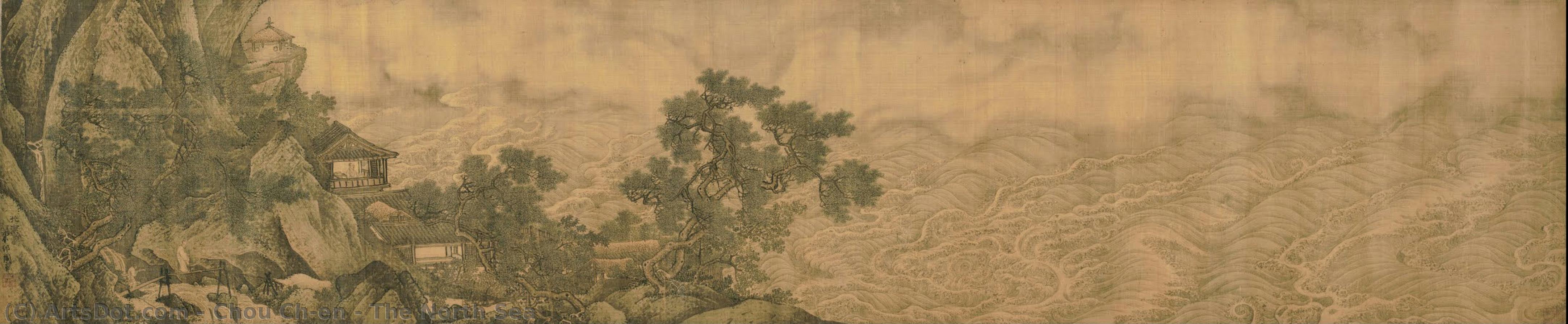
The North Sea


 더 보기
더 보기
지클레 / 아트 프린트
빠른 제작과 다양한 마감 옵션을 제공하는 박물관 품질의 지클레이 또는 캔버스 프린트. ( 손으로 그린 그림 구매 이미지 구매)




































작품의 원본 비율을 유지하는 미리 설정된 크기 중에서 선택하세요.

특정 프레임이나 공간에 맞춰 직접 치수를 입력하실 수 있습니다. 선택하신 사이즈가 원본 이미지의 비율과 일치하지 않을 경우, 작품을 크롭(자르기)하거나 이미지를 대칭 또는 단색 채우기로 확장하여 제작합니다. 제작 시작 전, 최종 확인을 위해 디지털 목업이 전송됩니다.
화면상의 미리보기는 실제 크롭이나 확장 상태를 반영하지 않으므로, 최종 구도는 오직 목업을 통해서만 정확하게 확인하실 수 있습니다.
맞춤 사이즈 제작도 가능하지만, 원본 비율을 유지하기 위해서는 사전 정의된 목록에서 치수를 선택하시는 것을 권장합니다.


 유리 옵션은 110cm 미만 크기에서만 선택 가능합니다.

The North Sea
지클레 / 아트 프린트
복제본 크기
-


최종 결제 금액
$ 80
작가 약력
Gerard David: A Master of Early Netherlandish Portraiture
Gerard David, a name perhaps less familiar than some of his contemporaries in the vibrant artistic landscape of 15th-century Bruges, stands as a pivotal figure in the development of early Netherlandish painting. Born around 1460 in Oudewater, near Gouda in the Netherlands, David’s career unfolded primarily within the bustling commercial and cultural center of Bruges, a city renowned for its burgeoning art trade and international connections. While overshadowed by the brilliance of figures like Jan van Eyck and Rogier van der Weyden during his lifetime, a closer examination reveals a profoundly skilled artist whose distinctive style and innovative approach to portraiture left an enduring legacy.
David’s early life remains somewhat shrouded in mystery, mirroring the relative scarcity of biographical details for many artists of this period. However, it is generally accepted that he spent his formative years honing his craft under the tutelage of various masters, absorbing the techniques and stylistic conventions prevalent at the time. His arrival in Bruges around 1484 marked a turning point, establishing him as a respected member of the city’s painter’s guild – a significant achievement reflecting his growing reputation and artistic prowess. He quickly ascended to become the leading painter of Bruges, a position he held until his death in 1523, overseeing a prolific output that catered to both local patrons and a discerning international clientele.
A Style Defined by Restraint and Refinement
David’s artistic style is characterized by a remarkable balance between realism and elegance. Unlike the intensely detailed and often hyper-realistic works of Van Eyck, David favored a more restrained approach, prioritizing clarity of form, harmonious color palettes, and a subtle sense of spatial depth. His compositions are typically balanced and symmetrical, reflecting a desire for order and stability – qualities that resonated with the prevailing humanist ideals of the Renaissance. He was particularly adept at capturing the psychological nuances of his subjects, imbuing portraits with an air of quiet dignity and introspective contemplation.
A key element of David’s distinctive style lies in his masterful use of color. While he employed the vibrant hues characteristic of the Flemish school, he often modulated them with a delicate subtlety, creating a sense of atmospheric depth and luminosity. His palette was notably refined, avoiding the overly bright or clashing combinations favored by some of his contemporaries. This restraint, combined with his meticulous attention to detail, resulted in paintings that possessed an understated beauty and remarkable visual harmony.
Major Works and Influences
David’s oeuvre encompasses a diverse range of subjects, including religious scenes, portraits, and altarpieces. Among his most celebrated works are the *Polyptych of the Misericordia*, a complex devotional panel showcasing his skill in depicting multiple figures within a confined space; the *Judgment of Cambyses*, a profoundly unsettling depiction of divine retribution that reveals David’s willingness to explore darker themes; and, perhaps most famously, the *Madonna with the Green Cushion*, a tender portrayal of the Virgin Mary and Child – a work admired for its serene beauty and exquisite detail.
David's artistic development was undoubtedly influenced by several key figures. The meticulous realism and innovative use of oil paint pioneered by Jan van Eyck served as a foundational influence, while the dramatic compositions and emotional intensity of Rogier van der Weyden provided a contrasting model. The impact of Antonello da Messina, who had established himself in Venice during David’s early career, is particularly evident in David's refined color palette and sophisticated understanding of perspective. Furthermore, he was influenced by the works of Albert van Oudewater and Hans Memling.
Legacy and Historical Significance
Despite his relative obscurity during his lifetime, Gerard David’s influence on subsequent generations of artists is undeniable. His emphasis on clarity, restraint, and psychological realism helped to shape the trajectory of Netherlandish painting in the late 15th and early 16th centuries. His portraits, in particular, established a new standard for depicting human individuality, capturing not only physical likeness but also subtle expressions of character and emotion.
It was only in the 19th century that David’s work began to receive the critical attention it deserved. Today, his paintings are celebrated as masterpieces of early Netherlandish art, testament to a profoundly talented artist whose quiet brilliance continues to captivate viewers centuries after his death. His legacy resides not just in the beauty of his individual works but also in his contribution to the evolution of portraiture and the development of a distinctly Northern European artistic sensibility.

chou ch'en
1460 - 1535 , China
주요 정보
- Artistic Movement Or Style: Early Renaissance
- Artists Or Movements Influenced By This Artist: ['Correggio']
- Artists Who Influenced This Artist:
- Leonardo da Vinci
- Antonello da Messina
- Date Of Birth: c. 1460
- Date Of Death: c. 1524
- Full Name: Andrea Solari
- Nationality: Italian
- Notable Artworks:
- Madonna with Green Cushion
- Ecce Homo (Poldi-Pezzoli)
- Place Of Birth: Milan, Lombardy

