

 실제 크기로 보기
 보내기
보내기 공유하기
공유하기
 상세 보기
상세 보기 가이드 보기

 이미지 다운로드
 유사 작품 더 보기
 X-레이
X-레이 슬라이드 쇼 보기
 통계 정보
통계 정보The Cardinal Virtues

 상세 보기
상세 보기
지클레 / 아트 프린트
빠른 제작과 다양한 마감 옵션을 선택할 수 있는 박물관 수준의 지클레이 및 캔버스 프린트. ( 수작업 채색 복제본 주문하기 디지털 이미지 판매 채널로 전환)




































작품의 원본 비율을 그대로 유지하는 프리셋 사이즈 중에서 선택해 보세요.

특정 프레임이나 공간에 맞춰 직접 치수를 입력하실 수 있습니다. 선택하신 사이즈가 원본 이미지의 비율과 일치하지 않을 경우, 작품을 크롭(자르기)하거나 이미지를 대칭 또는 단색 채우기로 확장하여 제작합니다. 제작 시작 전, 최종 확인을 위해 디지털 목업이 전송됩니다.
화면상의 미리보기는 실제 크롭이나 확장 상태를 반영하지 않으므로, 최종 구도는 오직 목업을 통해서만 정확하게 확인하실 수 있습니다.
맞춤 사이즈 제작도 가능하지만, 원본 비율을 유지하기 위해서는 사전 정의된 목록에서 치수를 선택하시는 것을 권장합니다.


 유리 옵션은 110cm 미만 크기에서만 선택 가능합니다.

The Cardinal Virtues
지클레 / 아트 프린트
복제본 규격
-


총 결제 금액
$ 80
작가 소개
Cherubino Alberti: The Borghegiano Master of Mannerist Engraving
Cherubino Alberti (1553–1615), also called Borghegiano, stands as a pivotal figure in the artistic landscape of Renaissance Italy—specifically during the fervent patronage of Clement VIII. Though overshadowed by his brother Giovanni’s more celebrated frescoes within the Vatican’s Sala Clementina, Cherubino’s singular contribution to engraving cemented his legacy as one of the era's foremost printmakers and solidified his family’s reputation for artistic excellence. Born in Borgo San Sepulcro, Tuscany, Alberti descended from a lineage deeply rooted in craftsmanship; his father, Alberto Alberti, was a sculptor and carver—a familial tradition that instilled within Cherubino himself an unwavering dedication to meticulous detail and technical mastery.- Early Influences & Training: Alberti’s artistic education commenced under Cornelius Cort in Rome, where he absorbed the stylistic precepts of Raphael and embraced the prevailing currents of Mannerist art. This formative period exposed him to the grandeur and innovation of Michelangelo's monumental sculptures and instilled a profound appreciation for expressive distortion—a hallmark of the Mannerist aesthetic.
- Engraving Virtuoso: Alberti swiftly established himself as an exceptional engraver, meticulously replicating the visions of his contemporaries. His initial commissions focused on works by Federico and Taddeo Zuccari, followed by collaborations with Raphael, Michelangelo, Polidoro da Caravaggio, Andrea del Sarto, Rosso Fiorentino, Marco Pino Sebastianio, and Cristofano Gherardi—artists whose stylistic prowess profoundly impacted Alberti’s oeuvre. Notably, he undertook projects based on ancient sculptures, demonstrating a keen interest in classical ideals and techniques.
The Sala Clementina Frescoes: A Collaborative Triumph
Perhaps Alberti's most enduring achievement resides in his partnership with Giovanni Alberti during the decoration of the Sala Clementina—a monumental fresco cycle commissioned by Pope Clement VIII. This ambitious undertaking demanded unparalleled artistic coordination and technical prowess, resulting in a breathtaking panorama of mythological scenes rendered with remarkable precision and emotional depth. The frescoes exemplify the collaborative spirit characteristic of Florentine art circles during this period and stand as testament to Alberti’s ability to synthesize disparate influences into a cohesive visual narrative.- Technique & Style: Alberti's engraving style was characterized by meticulous draughtsmanship, subtle tonal gradations, and an unwavering commitment to capturing the nuances of form and texture—traits that mirrored his fresco technique. He skillfully employed etching and drypoint methods, achieving astonishing levels of detail and expressive power.
- Notable Engravings: Alberti produced over 180 engravings during his lifetime, showcasing a diverse range of subjects—from biblical narratives to mythological allegories to portraits of prominent figures. Among his most celebrated prints are depictions of Raphael’s “School of Athens,” Michelangelo’s “Creation of Adam,” and scenes from Caravaggio's dramatic compositions.
Legacy & Historical Significance
Cherubino Alberti’s contribution to the artistic heritage of Italy extends far beyond his individual engravings. He served as director of the Accademia di San Luca—Rome’s premier artists’ guild—promoting artistic innovation and fostering a vibrant intellectual environment. His influence permeated Florentine art circles, shaping stylistic trends and inspiring subsequent generations of engravers and painters. Alberti's meticulous craftsmanship and unwavering dedication to classical ideals ensured that his work would endure as an exemplar of Mannerist excellence—a testament to the enduring power of artistic vision and technical skill.Further Exploration
For a deeper understanding of Cherubino Alberti’s life and artistry, consult resources such as:- Wikipedia:
- Getty Museum:
- The Art Institute of Chicago:
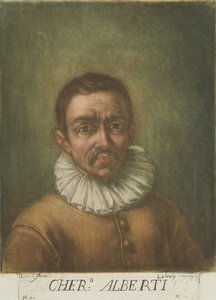
Cherubino Alberti
1553 - 1615
작가 정보 요약
- Artistic Movement Or Style: Mannerist
- Artists Or Movements Influenced By This Artist: ['Renaissance art']
- Artists Who Influenced This Artist:
- Raphael
- Michelangelo
- Cornelius Cort
- Date Of Birth: February 24, 1553
- Date Of Death: October 18, 1615
- Full Name: Cherubino Alberti
- Nationality: Italian
- Notable Artworks:
- Sala Clementina frescoes
- Madonna and Child in Glory with Angels
- Fame
- Place Of Birth: Borgo San Sepulcro, Tuscany
