

 미리보기
미리보기
 프린트 구매
 공유하기
공유하기 공유하기
공유하기
 상세 정보
상세 정보

 다운로드
다운로드
 유사 작품
유사 작품 X-레이
X-레이 슬라이드 쇼
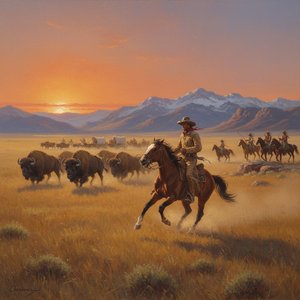
Roping a Wolf
 Acrylic On Canvas
- WallArt
- American Regionalism
 1901
1901 35.0 x 25.0 cm
 Amon Carter Museum of American Art
 더 보기
더 보기




P118B $10

P118H $10

P118W $10

P438Z $10

P508JH $12

P508YH $12

P805H $10

P805Z $10

P919BZ $10

P919G $10

P919XJ $10

P959ZH $10

P968JZ $12

W106C $8

W218G $10

W218JH $8

W218Y $10

W307PJ $10

W316G $10

W316PJ $8

W316Y $10

W398PJ $8

W4111J $10

W500HY $15

W500JH $15

W692G $12

W849H $8

W940BG $15

W953PJ $8




작품의 원본 비율을 유지하는 미리 설정된 크기 중에서 선택하세요.

특정 프레임이나 공간에 맞도록 직접 크기를 입력할 수 있습니다. 선택하신 크기가 원본 이미지의 비율과 일치하지 않는 경우, 작품을 자르거나 추가적인 손으로 그린 요소를 사용하여 그림을 확장합니다. 제작 시작 전 승인을 위해 디지털 목업을 보내드립니다.
화면 미리 보기는 실제 자르기 또는 확장을 반영하지 않습니다. 최종 구성은 목업을 통해서만 정확하게 확인하실 수 있습니다.
맞춤 크기 제작도 가능하지만, 원본 비율을 유지하기 위해 사전 정의된 목록에서 크기를 선택하시는 것을 권장합니다.
주문 후 OriginalUniqueArt.com 팀에서 상세 안내를 위해 고객님께 이메일을 보내드리며, 미리보기 시안을 제공해 드립니다.


 유리 옵션은 110cm 미만 크기에서만 선택 가능합니다.

Roping a Wolf
재현 기법
복제본 크기
-


최종 결제 금액
$ 300
작품 상세 설명
A Moment Frozen in Time: Charles Marion Russell’s “Roping a Wolf”
Charles Marion Russell's "Roping a Wolf," painted in 1901, isn’t merely a depiction of a Western scene; it’s a vibrant distillation of the American spirit – a potent blend of rugged individualism, frontier adventure, and a deep respect for the untamed wilderness. This watercolor masterpiece captures a fleeting moment of intense action, a cowboy skillfully maneuvering his horse to corral a wolf in the vast expanse of Montana's landscape. The painting immediately draws the viewer into its dynamic composition, dominated by diagonal lines created by the galloping horse and rider, guiding our eye through the scene with an undeniable sense of momentum.
Russell’s genius lies not just in his technical skill but in his profound understanding of the West – a realm he experienced firsthand as a working cowboy for over a decade. He didn't simply paint what he *saw*; he painted what he *felt*, imbuing each brushstroke with the dust, the heat, and the spirit of the frontier. The muted earth tones—ochres, browns, and blues—evoke the arid landscape, while subtle variations in color suggest atmospheric haze and the play of light on the rough terrain. The painting’s flattened perspective, a hallmark of watercolor techniques, lends it an almost dreamlike quality, transporting us to this specific moment in time.
The Cowboy Artist: Russell's Vision of the West
Charles Marion Russell (1864-1926) was more than just an artist; he was a quintessential embodiment of the Western myth. Born in St. Louis, his early life was far removed from the landscapes he would later immortalize. He abandoned formal schooling at sixteen to become a cowboy, immersing himself fully in the life and culture of the American West. This experience profoundly shaped his artistic vision, informing his depictions of Native Americans, cowboys, wildlife, and the dramatic beauty of the frontier. Russell’s work is deeply rooted in observation and storytelling, often drawing upon Native American folklore and legends.
Russell's commitment extended beyond painting; he was a passionate advocate for Native American rights and worked tirelessly to preserve their culture and traditions. His art served as a powerful voice for the West’s indigenous peoples, offering a nuanced perspective that challenged prevailing stereotypes. His legacy is one of artistic integrity, cultural sensitivity, and a profound connection to the land.
Technique and Style: A Watercolor Masterpiece
“Roping a Wolf” exemplifies Russell's mastery of watercolor techniques. The artist skillfully employs wet-on-wet washes to create soft edges and blended colors, lending the scene an ethereal quality. The loose brushstrokes are visible throughout the painting, adding to its sense of immediacy and authenticity—a testament to Russell’s direct approach to his craft. Note the careful attention to detail in rendering the textures of the horse's coat, the rider's clothing, and the ruggedness of the landscape. The use of light is particularly effective, creating a dramatic contrast between the bright sunlight illuminating the foreground and the hazy atmosphere in the background.
The painting’s composition—a dynamic interplay of diagonals and curves—further enhances its visual impact. The central figure of the cowboy, poised with determination, anchors the scene while the movement of the horse and wolf creates a sense of thrilling action. The subtle integration of Native American elements – the wolf itself – speaks to Russell's deep respect for the land and its inhabitants.
Symbolism and Emotional Resonance
Beyond its surface depiction, “Roping a Wolf” is rich in symbolism. The act of roping represents control over nature, a fundamental theme in Western art and literature. However, Russell doesn’t portray this as a simple conquest; the cowboy's skill is tempered by respect for the animal, suggesting a more nuanced relationship between humans and the wilderness. The wolf itself can be interpreted as a symbol of both danger and beauty, embodying the untamed spirit of the West. The painting evokes feelings of adventure, resilience, and the enduring allure of the frontier—a timeless reminder of America’s pioneering past.
작가 약력
서부의 혼을 담은 화가, 찰스 마리온 러셀
찰스 마리온 러셀(Charles Marion Russell), 그는 ‘키드’ 러셀이라는 애칭으로도 불렸으며, 단순한 화가를 넘어 서부 개척 시대의 삶과 정신을 생생하게 그려낸 이야기꾼이자 역사학자였다. 1864년 미주리 주 세인트루이스에서 태어난 러셀은 어린 시절부터 서부에 대한 강렬한 동경심을 품고 자랐다. 책과 그림을 통해 접한 서부의 이야기는 그의 상상력을 자극했고, 열여섯 살이라는 젊은 나이에 몬타나를 향해 떠나는 결단을 내리게 했다. 이는 단순한 도피가 아닌, 자신이 꿈꿔왔던 삶에 대한 적극적인 몰입이었으며, 그의 예술적 비전을 형성하는 데 결정적인 역할을 했다. 러셀은 서부의 풍경을 그저 묘사하는 것이 아니라, 그곳에서 살아 숨 쉬는 사람들의 이야기와 역사를 진솔하게 담아내고자 노력했다.목동에서 화가로: 삶이 된 예술
러셀의 예술 여정은 정형화된 교육 과정과는 거리가 멀었다. 그는 몬타나의 유딧 분지에서 목축을 하며 서부인의 삶을 직접 체험하며 자신의 예술적 재능을 발견했다. 소를 몰고, 말을 타고, 야생과의 조우를 경험하면서 그는 일상 속에서 영감을 얻었고, 그 순간들을 스케치로 기록하기 시작했다. 이러한 초기 작품들은 정교함과는 거리가 멀었지만, 서부의 현실을 날카롭게 포착하는 뛰어난 관찰력과 자연주의적 표현이 돋보였다. 1893년 목축 생활을 완전히 접고 화가로서 본격적인 활동을 시작하면서 그의 예술은 더욱 발전하기 시작했다. 그는 자신의 경험을 바탕으로 서부인의 삶, 야생동물의 역동성, 그리고 광활한 자연의 아름다움을 담아낸 작품들을 창작하며 명성을 얻기 시작했다.변화하는 서부, 영원한 기록: 주제와 기법
러셀의 그림은 단순한 풍경 묘사를 넘어, 서부 개척 시대의 복잡한 현실과 인간 관계를 깊이 있게 탐구한다. 그는 카우보이, 원주민, 그리고 자연과의 상호작용을 통해 서부 사회의 변화와 갈등을 생생하게 그려냈다. 그의 대표작인 <나쁜 말(A Bad Hoss)>은 카우보이와 야생마 사이의 힘겨운 싸움을 역동적으로 묘사하며, 서부인의 용기와 도전 정신을 보여준다. 또한, <벨리 강 전투(Battle of Belly River)>는 역사적 사건을 사실적으로 재현하면서도 인간의 고뇌와 희망을 섬세하게 표현한다. 러셀은 시간이 흐르면서 더욱 자유로운 붓 터치와 대담한 색채를 사용하여 자신의 작품에 생동감을 불어넣었다. 그는 빛과 그림자를 활용하여 극적인 효과를 연출하고, 인물의 감정과 역동성을 강조하며 서부의 풍경을 더욱 실감 나게 표현했다.서부 예술의 거장: 유산과 영향
찰스 마리온 러셀은 미국 서부 미술사에 지대한 영향을 미쳤으며, 오늘날까지도 수많은 예술가들에게 영감을 주고 있다. 그는 단순히 서부의 풍경을 그리는 것이 아니라, 서부인의 삶과 정신을 진솔하게 담아내면서 서부 미술의 새로운 지평을 열었다. 그의 작품은 서부 개척 시대의 낭만과 현실을 동시에 보여주며, 미국 문화에 깊은 흔적을 남겼다. 러셀은 또한 원주민에 대한 존경심을 표현하며 사회 정의를 실천하는 예술가로서도 평가받고 있다. 그는 자신의 그림을 통해 원주민들의 삶과 문화를 널리 알리고, 그들의 권익 보호를 위해 노력했다. 현재 그의 작품들은 C.M. 러셀 박물관 복합 시설(C.M. Russell Museum Complex)을 비롯한 여러 주요 미술관에 소장되어 있으며, 전 세계의 수많은 사람들에게 감동과 영감을 선사하고 있다. <레위스와 클라크, 로스 홀에서 평화 회담(Lewis and Clark Meeting Indians at Ross' Hole)>와 같은 벽화는 몬타나 주 의회 건물에 걸려 그의 예술적 유산을 기리고 있으며, 그의 작품은 단순한 예술 작품을 넘어 미국 역사의 중요한 기록으로서 평가받고 있다.변화를 위한 목소리: 예술을 통한 사회 참여
러셀은 화가로서의 재능뿐만 아니라, 사회 문제에 대한 깊은 관심과 적극적인 행동력도 보여주었다. 그는 몬타나에서 원주민 문화를 접하면서 그들의 삶에 대한 존경심을 갖게 되었고, 원주민들의 권익 보호를 위해 노력했다. 특히, 그는 토지 없는 치푸아족(Chippewa tribe)이 거주지를 확보하기 위한 노력을 적극적으로 지원하며 의회에 로비를 벌였다. 이러한 그의 헌신적인 노력은 결국 1916년 로키 보이 예약구역(Rocky Boy Reservation) 설립으로 이어졌다. 러셀은 자신의 예술을 통해 서부의 현실과 원주민들의 삶을 알리고, 사회적 불평등에 대한 인식을 높이는 데 기여했다. 그의 작품은 단순한 아름다움을 넘어, 변화를 위한 목소리를 담고 있는 예술로서 평가받고 있다. 이는 그가 단순히 서부를 묘사하는 화가가 아니라, 시대의 변화를 기록하고 사회 정의를 실천하는 진정한 예술가였음을 보여준다.
찰스 러셀
1864 - 1926 , 미국
주요 정보
- 국적: 미국
- 영향을 받은 예술가: ['서부 예술가']
- 예술 사조: 서부 미술
- 전체 이름: 찰스 마리온 러셀
- 주요 작품:
- Big Nose George
- When the Plains...
- Peace Talk
- A Bad Hoss
- Battle of Belly...
- 출생일: 1864년 3월 19일
관련 기사 더 보기
Charles Marion Russell: Capturing the American West Through a Romantic Lens
Explore the captivating world of Charles Marion Russell, 'the cowboy artist.' Discover his life, iconic paintings, advocacy for Native Americans, and investment potential. A guide for discerning art collectors.

Watercolor Wonders: 10 Masterpieces That Redefined Art History | OriginalUniqueArt
Journey through 10 legendary watercolor masterpieces by Sargent, Turner & Homer! Explore iconic landscapes, portraits & floral art that redefined history. Find museum-quality reproductions and curated decor ideas at OriginalUniqueArt.com.

Ephemeral Visions: Exploring the Artistic Legacy & Contemporary Practice of Watercolor Painting
Explore the captivating world of watercolor painting! Discover its rich history, essential techniques, influential artists & collecting tips. A comprehensive guide for art enthusiasts from OriginalUniqueArt.

Ephemeral Visions: Exploring the History & Emotional Resonance of Watercolor Painting
Explore the captivating history of watercolor painting, from ancient techniques to modern masters like Kandinsky & Blake. Discover essential artists, collecting tips & the emotional power of this luminous medium. Expert insights for art enthusiasts.

Ephemeral Visions: Exploring the Artistic Legacy & Nuances of Watercolor Painting
Explore the captivating world of watercolor painting! Discover its rich history, essential techniques, influential artists & collecting tips from art experts. A comprehensive guide for enthusiasts.

