

 미리보기
미리보기
 공유하기
공유하기 공유하기
공유하기
 상세 정보
상세 정보

 다운로드
다운로드
 유사 작품
유사 작품 X-레이
X-레이 슬라이드 쇼
 통계 정보
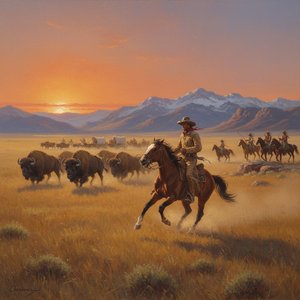
통계 정보Before the White Man Came
 Acrylic On Paper
- Western Realism
 1922
1922 56.0 x 34.0 cm
 Amon Carter Museum of American Art
 더 보기
더 보기
수제 유화 복제품
원하는 크기와 액자로 주문 제작되는, 작가들이 직접 캔버스에 손으로 그린 유화 작품입니다. ( 프린트 판매로 전환 디지털 이미지로 전환)




P118B $10

P118H $10

P118W $10

P438Z $10

P508JH $12

P508YH $12

P805H $10

P805Z $10

P919BZ $10

P919G $10

P919XJ $10

P959ZH $10

P968JZ $12

W106C $8

W218G $10

W218JH $8

W218Y $10

W307PJ $10

W316G $10

W316PJ $8

W316Y $10

W398PJ $8

W4111J $10

W500HY $15

W500JH $15

W692G $12

W849H $8

W940BG $15

W953PJ $8




작품의 원본 비율을 유지하는 미리 설정된 크기 중에서 선택하세요.

특정 프레임이나 공간에 맞도록 직접 크기를 입력할 수 있습니다. 선택하신 크기가 원본 이미지의 비율과 일치하지 않는 경우, 작품을 자르거나 추가적인 손으로 그린 요소를 사용하여 그림을 확장합니다. 제작 시작 전 승인을 위해 디지털 목업을 보내드립니다.
화면 미리 보기는 실제 자르기 또는 확장을 반영하지 않습니다. 최종 구성은 목업을 통해서만 정확하게 확인하실 수 있습니다.
맞춤 크기 제작도 가능하지만, 원본 비율을 유지하기 위해 사전 정의된 목록에서 크기를 선택하시는 것을 권장합니다.
주문 후 OriginalUniqueArt.com 팀에서 상세 안내를 위해 고객님께 이메일을 보내드리며, 미리보기 시안을 제공해 드립니다.


 유리 옵션은 110cm 미만 크기에서만 선택 가능합니다.

Before the White Man Came
재현 기법
복제본 크기
-


최종 결제 금액
$ 300
A Frozen Moment of the West: “Before the White Man Came” by Charles Marion Russell
Charles Marion Russell’s “Before the White Man Came,” painted in 1922, isn't merely a depiction of the American West; it’s a poignant meditation on its vanishing wilderness and the profound shift occurring within it. This evocative monochrome drawing, rendered with meticulous detail and imbued with a palpable sense of nostalgia, captures a fleeting moment before the relentless march of settlement irrevocably altered the landscape and its inhabitants. Russell, deeply connected to the spirit of the West through years spent as a cowboy and observer, masterfully conveys both the raw beauty of the natural world and the quiet dignity of those who lived in harmony with it.
The composition immediately draws the eye across a vast, horizontal expanse – a seemingly endless prairie dotted with the familiar forms of bison, elk, and horses. These animals, rendered with an almost sculptural quality through Russell’s signature use of fine lines and hatching, are not simply subjects but active participants in a timeless scene. The low horizon line emphasizes the immensity of the sky and the earth below, creating a sense of both scale and intimacy. Notice how Russell subtly suggests movement – the bison grazing peacefully, the horses galloping across the distance, the elk pausing to drink from a stream. It’s a tableau of life unfolding in its natural rhythm.
The Language of Line: Technique and Style
Russell's mastery lies not just in his subject matter but also in his technique. The entire piece is executed in monochrome – shades of gray and black – which lends it an extraordinary depth and mood. He employs a complex system of hatching, cross-hatching, and contour lines to build up tonal values and define forms with remarkable precision. The fur of the animals appears incredibly soft and shaggy, while the grasses ripple with subtle texture. The rocks are rendered with a rough, granular quality, reflecting their ancient presence. This deliberate attention to detail isn’t simply decorative; it's integral to conveying the feeling of tactile reality – as if one could reach out and touch the scene.
The style is firmly rooted in the tradition of Western art of the late 19th and early 20th centuries, yet Russell transcends mere imitation. He captures the spirit of the frontier with a sensitivity and understanding that elevates his work beyond simple illustration. The realism is tempered by an underlying romanticism – a yearning for a time when nature reigned supreme and human impact was minimal.
Symbolism and Emotional Resonance
The title, “Before the White Man Came,” carries significant symbolic weight. It’s not just a historical marker; it's a lament for a lost world, a reminder of the profound consequences of colonization. The scene evokes a sense of peace, tranquility, and perhaps even melancholy – a poignant recognition of what has been irrevocably changed. Russell wasn’t simply painting animals in a landscape; he was capturing an ethos, a way of life that was rapidly disappearing.
The animals themselves are imbued with dignity and resilience. They represent the enduring spirit of the West, their connection to the land unbroken by human encroachment. The composition suggests a harmony between nature and its inhabitants – a state of being that is increasingly rare in our modern world. There’s an unspoken narrative here: a story of respect for the natural order, a quiet celebration of wilderness, and a subtle warning about the price of progress.
A Legacy Preserved: Historical Context and Reproduction
Created in 1922, “Before the White Man Came” reflects a pivotal moment in American history – the rapid transformation of the West. Russell’s work stands as a powerful testament to this era, capturing both its beauty and its tragedy. The painting's creation coincided with increased awareness of Native American cultures and concerns about environmental conservation, themes that continue to resonate today.
OriginalUniqueArt offers high-quality reproductions of this iconic artwork, allowing you to bring the spirit of Russell’s vision into your home or office. Each reproduction is meticulously crafted using archival inks on premium canvas, ensuring lasting vibrancy and detail. Whether you're an art enthusiast, a collector, or simply seeking a piece that embodies the timeless beauty of the American West, “Before the White Man Came” is a truly exceptional choice.
작가 약력
서부의 혼을 담은 화가, 찰스 마리온 러셀
찰스 마리온 러셀(Charles Marion Russell), 그는 ‘키드’ 러셀이라는 애칭으로도 불렸으며, 단순한 화가를 넘어 서부 개척 시대의 삶과 정신을 생생하게 그려낸 이야기꾼이자 역사학자였다. 1864년 미주리 주 세인트루이스에서 태어난 러셀은 어린 시절부터 서부에 대한 강렬한 동경심을 품고 자랐다. 책과 그림을 통해 접한 서부의 이야기는 그의 상상력을 자극했고, 열여섯 살이라는 젊은 나이에 몬타나를 향해 떠나는 결단을 내리게 했다. 이는 단순한 도피가 아닌, 자신이 꿈꿔왔던 삶에 대한 적극적인 몰입이었으며, 그의 예술적 비전을 형성하는 데 결정적인 역할을 했다. 러셀은 서부의 풍경을 그저 묘사하는 것이 아니라, 그곳에서 살아 숨 쉬는 사람들의 이야기와 역사를 진솔하게 담아내고자 노력했다.목동에서 화가로: 삶이 된 예술
러셀의 예술 여정은 정형화된 교육 과정과는 거리가 멀었다. 그는 몬타나의 유딧 분지에서 목축을 하며 서부인의 삶을 직접 체험하며 자신의 예술적 재능을 발견했다. 소를 몰고, 말을 타고, 야생과의 조우를 경험하면서 그는 일상 속에서 영감을 얻었고, 그 순간들을 스케치로 기록하기 시작했다. 이러한 초기 작품들은 정교함과는 거리가 멀었지만, 서부의 현실을 날카롭게 포착하는 뛰어난 관찰력과 자연주의적 표현이 돋보였다. 1893년 목축 생활을 완전히 접고 화가로서 본격적인 활동을 시작하면서 그의 예술은 더욱 발전하기 시작했다. 그는 자신의 경험을 바탕으로 서부인의 삶, 야생동물의 역동성, 그리고 광활한 자연의 아름다움을 담아낸 작품들을 창작하며 명성을 얻기 시작했다.변화하는 서부, 영원한 기록: 주제와 기법
러셀의 그림은 단순한 풍경 묘사를 넘어, 서부 개척 시대의 복잡한 현실과 인간 관계를 깊이 있게 탐구한다. 그는 카우보이, 원주민, 그리고 자연과의 상호작용을 통해 서부 사회의 변화와 갈등을 생생하게 그려냈다. 그의 대표작인 <나쁜 말(A Bad Hoss)>은 카우보이와 야생마 사이의 힘겨운 싸움을 역동적으로 묘사하며, 서부인의 용기와 도전 정신을 보여준다. 또한, <벨리 강 전투(Battle of Belly River)>는 역사적 사건을 사실적으로 재현하면서도 인간의 고뇌와 희망을 섬세하게 표현한다. 러셀은 시간이 흐르면서 더욱 자유로운 붓 터치와 대담한 색채를 사용하여 자신의 작품에 생동감을 불어넣었다. 그는 빛과 그림자를 활용하여 극적인 효과를 연출하고, 인물의 감정과 역동성을 강조하며 서부의 풍경을 더욱 실감 나게 표현했다.서부 예술의 거장: 유산과 영향
찰스 마리온 러셀은 미국 서부 미술사에 지대한 영향을 미쳤으며, 오늘날까지도 수많은 예술가들에게 영감을 주고 있다. 그는 단순히 서부의 풍경을 그리는 것이 아니라, 서부인의 삶과 정신을 진솔하게 담아내면서 서부 미술의 새로운 지평을 열었다. 그의 작품은 서부 개척 시대의 낭만과 현실을 동시에 보여주며, 미국 문화에 깊은 흔적을 남겼다. 러셀은 또한 원주민에 대한 존경심을 표현하며 사회 정의를 실천하는 예술가로서도 평가받고 있다. 그는 자신의 그림을 통해 원주민들의 삶과 문화를 널리 알리고, 그들의 권익 보호를 위해 노력했다. 현재 그의 작품들은 C.M. 러셀 박물관 복합 시설(C.M. Russell Museum Complex)을 비롯한 여러 주요 미술관에 소장되어 있으며, 전 세계의 수많은 사람들에게 감동과 영감을 선사하고 있다. <레위스와 클라크, 로스 홀에서 평화 회담(Lewis and Clark Meeting Indians at Ross' Hole)>와 같은 벽화는 몬타나 주 의회 건물에 걸려 그의 예술적 유산을 기리고 있으며, 그의 작품은 단순한 예술 작품을 넘어 미국 역사의 중요한 기록으로서 평가받고 있다.변화를 위한 목소리: 예술을 통한 사회 참여
러셀은 화가로서의 재능뿐만 아니라, 사회 문제에 대한 깊은 관심과 적극적인 행동력도 보여주었다. 그는 몬타나에서 원주민 문화를 접하면서 그들의 삶에 대한 존경심을 갖게 되었고, 원주민들의 권익 보호를 위해 노력했다. 특히, 그는 토지 없는 치푸아족(Chippewa tribe)이 거주지를 확보하기 위한 노력을 적극적으로 지원하며 의회에 로비를 벌였다. 이러한 그의 헌신적인 노력은 결국 1916년 로키 보이 예약구역(Rocky Boy Reservation) 설립으로 이어졌다. 러셀은 자신의 예술을 통해 서부의 현실과 원주민들의 삶을 알리고, 사회적 불평등에 대한 인식을 높이는 데 기여했다. 그의 작품은 단순한 아름다움을 넘어, 변화를 위한 목소리를 담고 있는 예술로서 평가받고 있다. 이는 그가 단순히 서부를 묘사하는 화가가 아니라, 시대의 변화를 기록하고 사회 정의를 실천하는 진정한 예술가였음을 보여준다.
찰스 러셀
1864 - 1926 , 미국
주요 정보
- 국적: 미국
- 영향을 받은 예술가: ['서부 예술가']
- 예술 사조: 서부 미술
- 전체 이름: 찰스 마리온 러셀
- 주요 작품:
- Big Nose George
- When the Plains...
- Peace Talk
- A Bad Hoss
- Battle of Belly...
- 출생일: 1864년 3월 19일
관련 기사 더 보기

Evocations of Place: A Historical Journey Through Landscape Art
Explore the rich history of landscape art with OriginalUniqueArt. Discover renowned artists, movements like Impressionism & Romanticism, and expert guidance for collecting timeless pieces. Find your perfect serene escape today!

존 컨스터블 대표작 25선: 영국 풍경화의 거장, 자연과 감성을 담은 명화 컬렉션 | OriginalUniqueArt
존 컨스터블 대표작 25선을 만나보세요. 영국 풍경화 거장의 자연주의 회화, 데담 밸리의 아름다움과 헤이 웨인의 정취를 담은 명화를 감상하세요. OriginalUniqueArt에서 고품질 예술 작품 복제본을 소장하고 특별한 인테리어를 완성해보세요. 지금 바로 컬렉션을 탐험하세요!

Evocations of Place: A Historical Journey Through Landscape Art
Explore the rich history of landscape art with OriginalUniqueArt. Discover renowned artists, movements like Impressionism & tonalism, and expert guidance for collecting timeless pieces. Find your perfect serene escape today!

낭만 풍경화의 황홀! 예술사에 빛난 10대 걸작 탐구 | 와후아트
낭만주의 시대, 예술혼을 불태운 10대 풍경화 걸작! 터너부터 프리드리히까지, 시대를 초월하는 아름다움을 와후아트에서 만나보세요. 고흐의 색채와 코로의 섬세함이 당신의 공간에 영감을 더합니다. 지금 바로 와후아트에서 명품 미술 작품을 감상하고 구매하세요!
Charles Marion Russell: Capturing the American West Through a Romantic Lens
Explore the captivating world of Charles Marion Russell, 'the cowboy artist.' Discover his life, iconic paintings, advocacy for Native Americans, and investment potential. A guide for discerning art collectors.