
 미리보기
미리보기
 프린트 구매
 공유하기
공유하기 공유하기
공유하기
 상세 정보
상세 정보

 다운로드
다운로드
 유사 작품
유사 작품 X-레이
X-레이 슬라이드 쇼
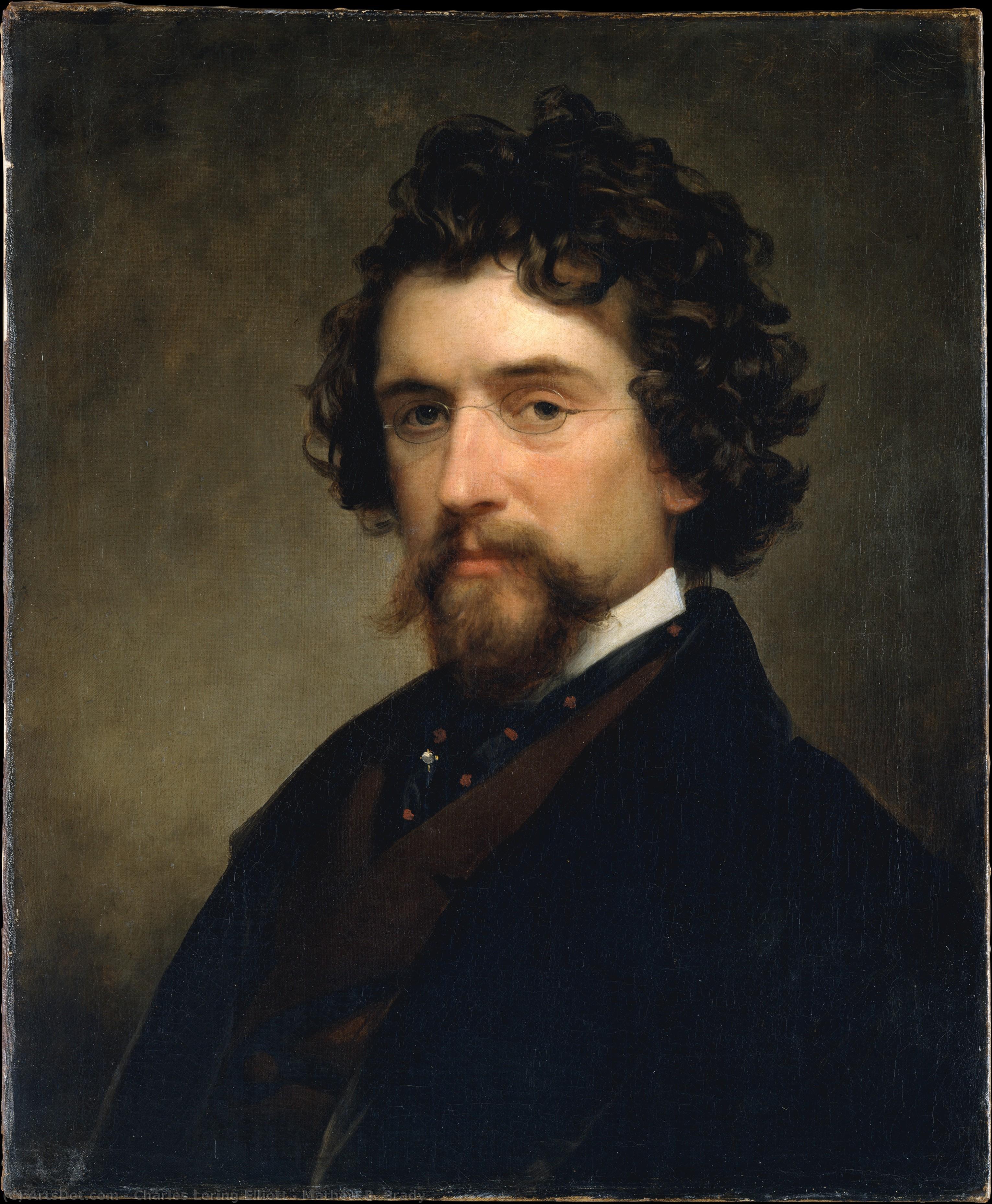
Mathew B. Brady
 Oil On Canvas
- WallArt
- Victorian Portraiture
 1857
1857- 19th Century
 61.0 x 51.0 cm
 메트로폴리탄 미술관
 더 보기
더 보기




P118B $10

P118H $10

P118W $10

P438Z $10

P508JH $12

P508YH $12

P805H $10

P805Z $10

P919BZ $10

P919G $10

P919XJ $10

P959ZH $10

P968JZ $12

W106C $8

W218G $10

W218JH $8

W218Y $10

W307PJ $10

W316G $10

W316PJ $8

W316Y $10

W398PJ $8

W4111J $10

W500HY $15

W500JH $15

W692G $12

W849H $8

W940BG $15

W953PJ $8




작품의 원본 비율을 유지하는 미리 설정된 크기 중에서 선택하세요.

특정 프레임이나 공간에 맞도록 직접 크기를 입력할 수 있습니다. 선택하신 크기가 원본 이미지의 비율과 일치하지 않는 경우, 작품을 자르거나 추가적인 손으로 그린 요소를 사용하여 그림을 확장합니다. 제작 시작 전 승인을 위해 디지털 목업을 보내드립니다.
화면 미리 보기는 실제 자르기 또는 확장을 반영하지 않습니다. 최종 구성은 목업을 통해서만 정확하게 확인하실 수 있습니다.
맞춤 크기 제작도 가능하지만, 원본 비율을 유지하기 위해 사전 정의된 목록에서 크기를 선택하시는 것을 권장합니다.
주문 후 OriginalUniqueArt.com 팀에서 상세 안내를 위해 고객님께 이메일을 보내드리며, 미리보기 시안을 제공해 드립니다.


 유리 옵션은 110cm 미만 크기에서만 선택 가능합니다.

Mathew B. Brady
재현 기법
복제본 크기
-


최종 결제 금액
$ 300
작품 상세 설명
A Glimpse Into Victorian Dignity
In the quiet, shadowed depths of Charles Loring Elliott’s 1857 masterpiece, we encounter more than just a portrait; we enter a profound moment of historical introspection. The painting depicts Mathew B. Brady, a man whose name would become synonymous with the visual documentation of the American Civil War. Through Elliott’s masterful brushwork, Brady is presented not merely as a photographer, but as a figure of immense gravity and intellectual depth. As he gazes toward the viewer through his spectacles, there is an unmistakable sense of a man bearing the weight of a nation in transition. The portrait serves as a window into the Victorian era, capturing the period's reverence for character, moral virtue, and the solemnity of public duty.
The technical brilliance of the piece lies in Elliott’s sophisticated use of chiaroscuro. By orchestrating dramatic contrasts between light and shadow, the artist sculpts Brady’s features with a sculptural precision that breathes life into the oil on canvas. The light catches the edge of his prominent beard and the glint of his spectacles, drawing the eye to the subtle nuances of an expression caught between contemplation and resolve. This interplay of light does more than define form; it creates an atmosphere of mystery and importance, suggesting that beneath the surface of this composed gentleman lies a complex inner life shaped by the turbulent era he was destined to chronicle.
The Artistry of Character and Composition
Beyond the technical execution, the painting is a triumph of psychological portraiture. Elliott, trained under the rigorous standards of Colonel John Trumbull and John Quidor, moved away from the stiff, formal traditions of his predecessors to embrace a style that felt warm and deeply human. In this work, the muted palette—composed of earthy tones and somber hues—complements the subject's serious demeanor, reinforcing the Victorian preoccupation with dignity and intellectual pursuit. Every stroke of the brush seems designed to convey the gravitas of Brady’s role as an architect of American memory.
For the discerning collector or interior designer, this reproduction offers a profound sense of historical continuity and sophistication. The artwork possesses a timeless quality that transcends its mid-19th-century origins, making it an ideal centerpiece for spaces that value heritage, intellect, and classical elegance. Whether placed in a private library, a formal study, or a curated gallery wall, the portrait of Mathew B. Brady commands attention through its quiet strength. It is not merely a decoration but an invitation to reflect on the enduring power of the human spirit and the importance of documenting our shared history with honor and truth.
작가 약력
early life and education
charles loring elliott, an american painter, was born in auburn, new york, in 1812. his father, a builder, encouraged his son's early interest in drawing and architecture. elliott's health was fragile, but he persevered to develop his artistic skills. he studied with colonel john trumbull and john quidor in new york city, refining his technique.career
elliott returned to central new york, where he worked intensively at portrait painting for 10 years. his portraits "were never stiff, or clumsy, or cold; but gradually grace, and ease, and warmth, and high feeling, stole into the forms on his canvas…" (source: currier gallery of art). needing the stimulation of the city, he returned to new york in 1845, where trumbull approved of his progress. the following year, he was elected to the national academy of design.notable works and clients
elliott's technique is neither provincial nor uncertain. his method is mature, his drawing firm, his color fresh and clean, and his likenesses excellent. some of his notable works include:- don quijote and falstaff, figure pieces
- the head of skaneateles lake, a landscape
- portraits of fenimore cooper, fitz-greene halleck, and a. b. durand (the corcoran gallery, washington)
- governor bouck (city hall, new york)
museums and collections
elliott's works can be found in various museums, including:- the metropolitan museum of art in new york city (four portraits)
- new york city hall
- new york state library at albany
legacy
elliott was considered the best portraitist of his day, with over 700 portraits to his name. his legacy continues to inspire artists and art enthusiasts alike. to explore more of his works and other american painters, visit night watch or browse through the rembrandt van rijn collection on OriginalUniqueArt.
charles loring elliott
1812 - 1868
주요 정보
- Artistic Movement Or Style: Literary nonsense; Illustration
- Artists Or Movements Influenced By This Artist:
- Lewis Carroll
- Victorian Illustration
- Artists Who Influenced This Artist:
- William Blake
- John Tenniel
- Date Of Birth: May 12, 1812
- Date Of Death: January 29, 1888
- Full Name: Edward Lear
- Nationality: English
- Notable Artworks:
- The Fortress of San George
- Limner's Book of Beasts
- Place Of Birth: England
관련 기사 더 보기
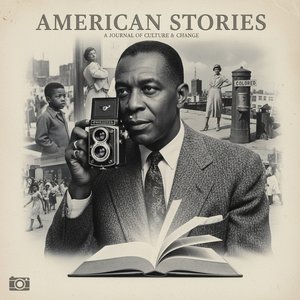
Gordon Parks: A Poetic Lens on American Life – Photography, Social Justice & Storytelling
Explore the profound work of Gordon Parks, a groundbreaking photographer who documented American life with unparalleled empathy and artistry. Discover his iconic images & lasting impact on social justice through Life magazine & beyond.
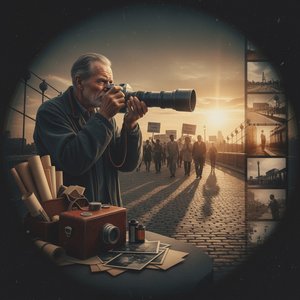
Witnessing History Through Lens & Light: Documentary Photography's Enduring Legacy
Explore the powerful history of documentary photography – from its origins to contemporary masters like Gordon Parks & W. Eugene Smith. Discover how this art form shapes our understanding of society and witness pivotal moments in time.

Beyond the Lens: Photography's Enduring Influence on Modern & Contemporary Art
Explore photography's pivotal role in shaping modern & contemporary art. Discover key movements, influential artists like Stieglitz, and expert collecting advice from OriginalUniqueArt.

Monochrome Visions: Exploring the Aesthetic & Historical Significance of Black & White Photography
Explore the rich history & artistic power of black and white photography. From early techniques to iconic masters like Ansel Adams, discover why monochrome continues to captivate art lovers today. Expert insights for collectors.

Grant Wood & American Regionalism: Identity, Myth & the Rural Landscape
Explore the world of Grant Wood & American Regionalism with OriginalUniqueArt. Discover the symbolism behind 'American Gothic', recurring themes, and the movement's lasting impact on art history. High-quality reproductions available.

