프린트 판매로 전환
 더 보기
더 보기







































 가로 또는 세로 중 어느 한 면이라도 105cm(약 41인치)를 초과하는 작품이나 복제화의 경우, 프레임은 분해된 키트 형태로 배송됩니다. 이는 안전한 배송을 보장하고 운송 중 발생할 수 있는 손상을 방지하기 위함입니다.


The Grandeur of Myth and Majesty
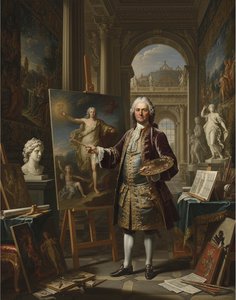
Charles Le Brun’s “Hercules (detail)” is not merely a depiction of a mythological hero; it's an immersive experience, a vibrant tableau vivant that transports the viewer to the heart of 17th-century French courtly life. Painted in 1658, this exquisite work embodies the height of Baroque artistry – a potent blend of classical ideals, dramatic dynamism, and opulent detail. It’s a testament to Le Brun's mastery as both a painter and a theorist, reflecting his profound influence on the artistic landscape of his era.

Image from Wikimedia Commons
A Symphony of Classical Elements
Le Brun’s composition is a carefully orchestrated dance of classical motifs. At the center, Hercules dominates the scene, his muscular physique and resolute gaze radiating strength and divine authority. He ascends towards heaven, guided by a host of radiant angels – their wings spread wide in a gesture of benediction and protection. The clouds swirling behind them create an ethereal backdrop, lending a sense of weightlessness and transcendence to the narrative. The painting’s foundation rests firmly on classical principles: the balanced composition, the idealized forms, and the use of light and shadow to sculpt volume and drama are hallmarks of Le Brun's training under Poussin.
Technique and Palette – A Masterclass in Baroque Detail
Le Brun’s technique is characterized by a remarkable level of detail and virtuosity. He employs a rich, layered approach, building up the image through countless glazes and scumbles to achieve an astonishingly luminous surface. The colors are predominantly earthy—ochres, siennas, and umbers—creating a sense of groundedness and gravitas. However, these muted tones are punctuated by flashes of gold and crimson in the angels’ robes and the celestial light, adding moments of intense brilliance. The artist's meticulous attention to texture – from the folds of Hercules’ drapery to the delicate feathers of the angels – is a testament to his skill and dedication.
Symbolism and Royal Patronage
Beyond its purely visual appeal, “Hercules” is laden with symbolism. The hero represents strength, courage, and virtue—qualities highly valued by Louis XIV and his court. His apotheosis – his ascent into heaven – signifies divine recognition and the fulfillment of heroic destiny. The painting was commissioned for the Salon d’Hercule at Vaux-le-Vicomte, a lavish chateau built by Nicolas Fouquet as a display of wealth and power. Le Brun's work served to elevate the space with mythological grandeur, reflecting the king’s own ambition and desire for immortality. The inclusion of figures like Hercules, associated with Roman virtue and military prowess, reinforced the ideals of royal authority and the glory of France.
A Legacy Enduring
“Hercules (detail)” stands as a pivotal work in Charles Le Brun’s oeuvre and a defining example of French Baroque painting. Its influence can be seen in countless subsequent works, shaping the artistic sensibilities of generations of artists. Reproductions of this magnificent piece continue to captivate viewers today, offering a glimpse into the splendor of the French court and the enduring power of classical mythology. It is a reminder that art can not only reflect history but also embody its most cherished values.
질의응답
"Hercules (detail)"의 색감은 얼마나 선명한가요?
샤를 르 브륄의 "Hercules (detail)"의 색채는 Subtle Color의 채도와 Monochromatic의 강도를 보여줍니다.
샤를 르 브륄의 "Hercules (detail)"에서 예술 사조와 시대상은 어떻게 맞닿아 있나요?
샤를 르 브륄의 "Hercules (detail)"은(는) 작가의 근세 초기 시대 중 Baroque Classicism 사조에 속합니다.
샤를 르 브륄의 "Hercules (detail)" 작품은 작가의 본국에 보관되어 있나요?
네, 해당 작품은 작가의 본국에 보관되어 있습니다.. 샤를 르 브륄의 출생국은 프랑스이며, "Hercules (detail)"의 원작을 소장하고 있는 미술관은 프랑스에 있습니다.
이 작품에 대해 더 알아보기
 미리보기
미리보기
 공유하기
공유하기 공유하기
공유하기
 상세 정보
상세 정보 가이드 보기

 다운로드
다운로드
 유사 작품 더 보기
 X-레이
X-레이 슬라이드 쇼 보기
 질의응답
질의응답 통계 정보
통계 정보