

 미리보기
미리보기
 공유하기
공유하기 공유하기
공유하기
 상세 정보
상세 정보

 다운로드
다운로드
 유사 작품
유사 작품 X-레이
X-레이 슬라이드 쇼
 통계 정보
통계 정보Democritus
 Oil
Oil- WallArt
- Baroque and Rococo
 1692
1692- Early Modern
 69.0 x 57.0 cm
 루브르 박물관
 더 보기
더 보기
지클레 / 아트 프린트
빠른 제작과 다양한 마감 옵션을 제공하는 박물관 품질의 지클레이 또는 캔버스 프린트. ( 손으로 그린 그림 구매 디지털 이미지로 전환)




P118B $10

P118H $10

P118W $10

P438Z $10

P508JH $12

P508YH $12

P805H $10

P805Z $10

P919BZ $10

P919G $10

P919XJ $10

P959ZH $10

P968JZ $12

W106C $8

W218G $10

W218JH $8

W218Y $10

W307PJ $10

W316G $10

W316PJ $8

W316Y $10

W398PJ $8

W4111J $10

W500HY $15

W500JH $15

W692G $12

W849H $8

W940BG $15

W953PJ $8




작품의 원본 비율을 유지하는 미리 설정된 크기 중에서 선택하세요.

특정 프레임이나 공간에 맞춰 직접 치수를 입력하실 수 있습니다. 선택하신 사이즈가 원본 이미지의 비율과 일치하지 않을 경우, 작품을 크롭(자르기)하거나 이미지를 대칭 또는 단색 채우기로 확장하여 제작합니다. 제작 시작 전, 최종 확인을 위해 디지털 목업이 전송됩니다.
화면상의 미리보기는 실제 크롭이나 확장 상태를 반영하지 않으므로, 최종 구도는 오직 목업을 통해서만 정확하게 확인하실 수 있습니다.
맞춤 사이즈 제작도 가능하지만, 원본 비율을 유지하기 위해서는 사전 정의된 목록에서 치수를 선택하시는 것을 권장합니다.


 유리 옵션은 110cm 미만 크기에서만 선택 가능합니다.

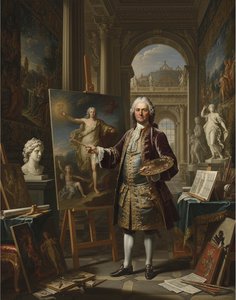
Democritus
지클레 / 아트 프린트
복제본 크기
-


최종 결제 금액
$ 80
Charles Antoine Coypel: A Synthesis of Baroque Grandeur and Rococo Delight
Charles Antoine Coypel (1694-1752) stands as a pivotal figure in French art history, embodying the stylistic transition between the opulent Baroque era and the burgeoning Rococo movement. Born in Paris to Antoine Coypel, himself a celebrated artist, Coypel inherited a lineage steeped in artistic tradition – his grandfather Noël Coypel was also a respected painter. This familial connection undoubtedly fostered an early appreciation for visual artistry and propelled him toward a distinguished career as premier peintre du roi (first painter to the king) at Louis XIV’s court, a position he held until his untimely death. He represents a crucial bridge between two dominant artistic sensibilities, skillfully blending their characteristics into a uniquely expressive oeuvre. His ascent began with a formal apprenticeship under Nicolas Frémiet, mastering the techniques of oil painting and etching – skills that would prove invaluable throughout his prolific output. Coypel quickly gained recognition for his ability to capture dramatic narratives and idealized figures, aligning perfectly with the tastes of the French aristocracy during Louis XIV’s reign. However, unlike many Baroque artists who prioritized monumental scale and formal rigidity, Coypel embraced a softer aesthetic, incorporating delicate pastel hues and flowing drapery—elements characteristic of Rococo style. This stylistic duality is evident throughout his extensive body of work, demonstrating an artist acutely aware of the evolving artistic landscape.The Painting: Democritus – A Portrait Steeped in Symbolism
“Democritus” depicts a man with a dignified gaze and subtle smile, rendered in meticulous detail against a muted crimson backdrop. The subject’s attire—a scarlet robe—immediately evokes associations with royalty and piety, suggesting he may have been a religious figure or an intellectual deeply engaged in philosophical contemplation. Coypel's masterful use of chiaroscuro – the dramatic interplay between light and shadow – enhances the portrait’s expressive power, emphasizing the contours of the face and conveying a sense of inner serenity. Two additional figures flank the central subject, appearing smaller and serving as compositional anchors—likely intended to convey depth and perspective within the frame.Technique and Style: Baroque Precision Meets Rococo Elegance
Coypel’s technique exemplifies the harmonious blend of Baroque precision and Rococo elegance. He employed oil paint on canvas with painstaking accuracy, achieving remarkable tonal gradations and capturing subtle nuances of skin texture. Yet, he skillfully incorporated Rococo stylistic elements—such as soft pastel colors and flowing drapery—creating a visual experience that transcends mere representation. The artist’s meticulous attention to detail is particularly noticeable in the rendering of the man's facial features and hair, demonstrating his mastery of anatomical observation. This combination resulted in an artwork that possesses both grandeur and grace, reflecting the artistic sensibilities of its time.Historical Context: Louis XIV’s Court and Artistic Patronage
“Democritus” was created during the zenith of Louis XIV’s reign—a period marked by unparalleled royal patronage of the arts. Coypel benefited enormously from this support, securing commissions for portraits and decorative panels that adorned Versailles and other palaces throughout France. The Baroque tradition, established under Louis XIII, continued to exert influence on artistic production, emphasizing grandeur, monumentality, and idealized beauty. However, Coypel’s work signaled a decisive shift toward the Rococo style—characterized by frivolity, ornamentation, and an emphasis on sensual pleasure—reflecting the changing tastes of the French court and society.Emotional Impact: Serenity Amidst Formal Ornamentation
Despite its formal elegance, “Democritus” communicates a profound sense of inner peace and contemplation. The man’s serene expression invites viewers to engage in introspection, mirroring the philosophical ideals prevalent during Coypel's era. The subdued crimson hue of the robe contributes to the painting’s atmosphere of solemn dignity—a deliberate contrast to the exuberant colors and decorative flourishes typical of Rococo art. Ultimately, Coypel’s masterpiece transcends mere visual spectacle, offering a glimpse into the human spirit and capturing the essence of aristocratic refinement.작가 약력
샤를 앙투안 코이펠의 유산: 시대를 잇는 가교
프랑스 미술사의 거대한 태피스트리 속에서, 바로크의 웅장한 무게감으로부터 로코코의 경쾌하고 우아한 미학으로 이어지는 그 섬세한 전환기를 샤를 앙투안 코이펠만큼 품격 있게 구현해낸 인물은 드뭅니다. 1694년 파리의 예술적 명문가에서 태어난 코이펠은 이미 위대한 화가로서의 운명을 타고났습니다. 저명한 앙투안 코이펠의 아들이자 노엘 코이펠의 손자로서, 그의 존재 자체가 아카데미 로얄(Académie Royale)의 전통 속에 깊이 뿌리내리고 있었기 때문입니다. 이러한 가문의 유산은 그에게 단순한 이름 그 이상의 의미를 지녔습니다. 당대 거장들 곁에서 직접 전수받은 도제식 교육은 그로 하여금 고전적 구도에 대한 깊은 이해와 프랑스 왕실이 요구하던 극적인 표현력을 자연스럽게 물려받게 해주었습니다.
니콜라 프레미에 밑에서 받은 초기 훈련은 에칭의 정교함부터 유화의 유려한 기교에 이르기까지, 그에게 다채로운 기술적 레퍼토리를 선사했습니다. 이러한 다재다능함은 그의 경력에서 초석이 되었으며, 18세기 초 급변하던 미적 흐름 속에서도 그가 중심을 잡고 나아갈 수 있는 힘이 되었습니다. 비록 그의 예술적 토대는 후기 바로크의 기념비적이고 연극적인 양식에 단단히 뿌리 내리고 있었으나, 그는 새롭게 떠오르는 로코코 정신을 포착해내는 독보적인 감수성을 지니고 있었습니다. 그는 점차 자신의 작품 속에 새로운 가벼움을 불어넣기 시작했는데, 섬세한 파스텔 톤의 색채와 비대칭적 구성, 그리고 향후 수십 년간 프랑스 미학을 정의하게 될 장식적인 매력을 통해 예술적 변모를 이끌어냈습니다.
서사의 거장이자 왕실의 화가
코이펠의 화려한 경력은 프랑스 국왕의 수석 화가(Premier Peinte du Roi)라는 영예로운 직함과 함께 정점에 달했습니다. 루이 14세와 그 후계자들을 위해 봉사하며, 그는 프랑스 왕실을 위한 핵심적인 시각적 스토리텔러로 자리매김했습니다. 그의 재능은 단순히 캔버스의 경계를 넘어섰습니다. 그는 예술이 어떻게 건축 공간 전체에 생명력을 불어넣을 수 있는지를 이해한 선구적인 디자이너였습니다. 그의 가장 경이로운 업적 중 하나는 베르사유 예배당에서 찾아볼 수 있습니다. 영광 속에 있는 성부 하나님과 같은 프레스코화 작업에서 그는 숙련된 트롬프 뢰유(trompe-l'oeil, 눈속임 기법)을 사용하여, 마치 천장이 하늘로 녹아 없어지는 듯한 천상의 원근감을 창조해냈습니다.
왕실 예배당의 벽면 너머에서도 코이펠의 영향력은 고벨로 제조소(Gobelins Manufactory)와의 광범적인 협업을 통해 장식 예술 전반에 스며들었습니다. 그는 서사적인 이야기를 기념비적인 태피스트리 디자인으로 변환시키는 보기 드문 능력을 갖추고 있었습니다. 호메로스의 일리아스와 오디세이아에서 영감을 받은 연작들은 색채와 움직임에 대한 그의 깊은 통찰을 보여주며, 직조된 실들을 빛과 그림자가 어우러진 서사시로 탈바꿈시켰습니다. 아마도 그의 가장 대담하고 혁신적인 시도는 미겔 데 세르반테스의 돈키호테 삽화 작업이었을 것입니다. 이 프로젝트에서 코이펠은 경직된 형식주의에서 벗어나 더욱 역동적이고 인물 중심적인 스토리텔링 방식을 채택함으로써, 고전적 삽화와 현대적 서사 예술 사이의 간극을 성공적으로 메웠습니다.
예술적 의의와 영원한 영향력
샤를 앙투안 코이펠의 역사적 가치는 예술적 중재자로서의 역할에 있습니다. 그는 단순히 한 시대에서 다른 시대로 넘어가는 과정을 목격한 것에 그치지 않고, 그 변화를 능동적으로 형성했습니다. 바로크의 구조적 견고함과 극적인 무게감을 로코코의 환상적이고 경쾌한 우아함과 결합함으로써, 프랑스 미술이 그 장엄함을 잃지 않으면서도 진화할 수 있는 양식적 연속성을 제공했습니다. 그의 초상화들, 예컨대 마음을 울리는 데모크리토스와 같은 작품들은 왕실의 품격과 인물의 내밀한 심리적 깊이를 동시에 구현해내며 오늘날까지도 관객들을 매료시키고 있습니다.
1752년 그의 생애는 비록 짧게 마감되었으나, 그가 남긴 예술적 충격은 유럽 회화사에 깊이 각인되어 있습니다. 그의 유산은 다음과 같은 지점에서 발견됩니다:
- 프랑스 초상화의 진화: 경직된 형식주의에서 벗어나 대상에 대한 더욱 표현력 있고 감성적인 묘사로 나아가는 길을 열었습니다.
- 태피스트리와 장식 디자인: 고벨로 연작을 통해 대규모 직물 예술을 수준 높은 서사 예술의 경지로 끌어올렸습니다.
- 양식의 통합: 17세기의 기념비적 규모와 18세기의 친밀하고 장식적인 감수성을 성공적으로 합성해냈습니다.
오늘날 코이펠의 작품들은 인류 창의성이 변모하던 시기를 들여다보는 창 역할을 하며, 예술이 왕들의 지상적 화려함과 영혼의 신성한 열망 사이의 간극을 메우는 도구로 사용되었던 그 찬란한 시절을 우리에게 상기시켜 줍니다.

샤를 앙투안 코이펠
1694 - 1752 , 프랑스
주요 정보
- Artistic Movement Or Style: 바로크 로코코
- Artists Who Influenced This Artist:
- 앙투안 코이펠
- 노엘 코이펠
- Date Of Birth: 1694년 프랑스 파리
- Date Of Death: 1752년
- Full Name: 샤를 앙투안 코이펠
- Nationality: 프랑스
- Notable Artworks:
- 돈 키호테 시리즈
- 필립 코이펠 초상화
- 아내와 함께 있는 필립 코이펠의 모습
- Place Of Birth: 프랑스 파리
관련 기사 더 보기
10 Iconic Rococo Masterpieces That Defined an Era of Elegance
Step into the elegance of the 18th century. Explore 10 iconic Rococo masterpieces, from Fragonard to Boucher, featuring lush pastels and ornate beauty. Find museum-quality art reproductions and decor inspiration at OriginalUniqueArt.com. Discover all masterpieces on OriginalUniqueArt.com
Baroque vs. Rococo: A Definitive Guide to High-Drama Shadows and Golden Elegance
Explore the dramatic evolution from Baroque's intense chiaroscuro to Rococo's golden elegance. Our expert guide decodes the shift from high-drama shadows to playful, ornate grace for art enthusiasts and collectors seeking deep historical insight.
10 Iconic Rococo Masterpieces That Defined an Era of Elegance
Step into the elegance of the 18th century. Explore 10 iconic Rococo masterpieces by Fragonard and Boucher, featuring pastel hues and ornate beauty. Find museum-quality art reproductions and decor inspiration at OriginalUniqueArt.com. Discover all masterpieces on OriginalUniqueArt.com.
From Grandeur to Grace: Exploring the Evolution of Baroque & Rococo Art
Explore the captivating evolution from Baroque's drama to Rococo's grace! Discover key artists, characteristics & lasting influence of these art movements with expert insights at OriginalUniqueArt.
Charles Le Brun: Master of French Baroque Classicism & His Enduring Legacy
Explore the life & art of Charles Le Brun, master of French Baroque Classicism. Discover his royal commissions, influence on Versailles, and enduring legacy through detailed analysis & stunning artworks.