Rococo · 1762
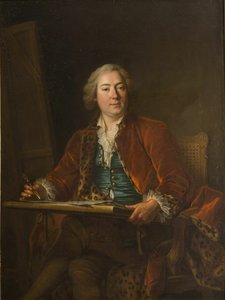
Self-Portrait (샤를앙드레 반 루, 1762)
샤를앙드레 반 루 (1705–1765) 작가의 Self-Portrait 1762년에 제작되었습니다. Rococo 운동에 속합니다. Oil On Canvas(으)로 제작되었습니다. 상트페테르부르크, 러시아에 위치한 에르미타주 박물관에 소장되어 있습니다. 크기는 88 × 72 cm입니다.
- 1762
- Oil On Canvas
- 88 × 72 cm
- 에르미타주 박물관, 상트페테르부르크

 미리보기

 수작업 유화 작품
 공유하기
 공유하기
 학습용 요약본


 다운로드
 유사 작품 더 보기
 X-레이
 슬라이드 쇼 보기
 질의응답

 통계 정보
Self-Portrait 요약
Self-Portrait은(는) 무엇을 묘사하고 있나요?
A Portrait of Inner Reflection: Charles-André van Loo’s “Self-Portrait”
The year 1762 witnessed a pivotal moment in the artistic landscape of France – the creation of Charles-André van Loo's "Self-Portrait." More than simply a likeness, this painting is a carefully constructed meditation on identity, status, and the burgeoning Rococo aesthetic. Van Loo, a key figure within his family’s esteemed dynasty of painters, presents himself not as a flamboyant courtier or a heroic warrior, but as a thoughtful observer, subtly imbued with an air of quiet contemplation. The portrait immediately draws the eye to the artist's direct gaze, a deliberate act of engagement that invites the viewer into a private moment.
Van Loo’s style is quintessential Rococo – characterized by its delicate brushwork, pastel hues, and an emphasis on elegant ornamentation. He employs a loose, almost impressionistic technique, favoring soft transitions between light and shadow to create a sense of atmospheric depth. The rich fabrics of his suit—a deep burgundy velvet accented with gold embroidery—speak volumes about his position within the French court, while the subtle details – the meticulously rendered lace collar, the gleaming sword on his side – reinforce this image of refined authority. Yet, it’s not merely a display of wealth; these elements are presented with an understated grace that suggests a considered awareness of their symbolic weight.
The Context of 18th-Century Portraiture
To fully appreciate “Self-Portrait,” one must understand the evolving context of portraiture during the mid-18th century. Following the grandeur of the Baroque period, artists began to shift towards a more intimate and psychologically nuanced approach. The rise of the middle class fueled demand for portraits, but royal patronage continued to shape artistic trends. Artists like Van Loo were tasked with capturing not just physical likenesses, but also conveying an individual’s character and social standing. Van Loo's self-portrait reflects this trend – it is a carefully crafted statement about his identity as both artist and member of the elite.
Interestingly, the portrait predates the widespread popularity of the self-portrait as a genre. While artists had occasionally depicted themselves in various roles throughout history, Van Loo’s work stands out for its directness and lack of theatricality. He avoids overtly dramatic poses or elaborate settings, opting instead for a simple, uncluttered composition that focuses entirely on his own image. This deliberate restraint speaks to the artist's confidence and self-awareness – he is not seeking to impress, but rather to present himself honestly.
Symbolism and Emotional Resonance
Beyond its technical merits, “Self-Portrait” is rich in symbolic detail. The sword, a traditional emblem of power and authority, suggests Van Loo’s role as a court painter – a position that demanded both artistic skill and political savvy. However, the sword is not brandished aggressively; it rests calmly on his hip, hinting at a measured approach to wielding influence. The background—a plain wall—further emphasizes the artist's focus on himself, creating an aura of introspection.
Perhaps most powerfully, the painting evokes a sense of quiet contemplation. Van Loo’s gaze is direct and unwavering, yet there is also a hint of melancholy in his expression. It’s as if he is reflecting on his own life, his work, and the complexities of his position within society. The subtle shading around his eyes and mouth contributes to this feeling of emotional depth, inviting the viewer to share in his private thoughts. The painting isn't merely a representation of a man; it’s an invitation into his inner world.
A Timeless Masterpiece: Reproduction Possibilities
Charles-André van Loo’s “Self-Portrait” remains a captivating work of art, offering a rare glimpse into the mind and soul of a prominent 18th-century artist. High-quality reproductions capture the delicate brushwork and nuanced color palette that define this masterpiece. Whether displayed in a formal salon or a contemporary living space, this portrait continues to resonate with viewers today, reminding us of the enduring power of self-reflection and artistic expression. OriginalUniqueArt offers meticulously crafted hand-painted reproductions, allowing you to bring this timeless work into your home.
Self-Portrait은(는) 어느 미술관에 소장되어 있나요?
에르미타주 박물관
상트페테르부르크, 러시아
에르미타주 박물관의 기원과 역사 에르미타주 박물관의 역사는 1764년, 베를린의 상인 요한 에른스트 고츠코프스키로부터 225점의 회화 작품을 수집하며 그 서막을 올렸습니다. 대제 카트린이 이 컬렉션을 시작으로 러시아 상트페테르부르크에 박물관의 기틀을 마련하였으며, 이 초기 수집품들은 훗날 서구 유럽 예술의 방대한 보고가 될 핵심적인 토대가 되었습니다. 본래 황실 가족만을 위한 은밀한 안식처로 시작된 이 공간은 1852년에 이르러 비로소 대중에게 개방된 공공의 장소로 탈바꿈하였습니다.


Self-Portrait의 고해상도 이미지
샤를앙드레 반 루, Self-Portrait (1762), 에르미타주 박물관. 퍼블릭 도메인
Self-Portrait에 관한 질문과 답변
현재 샤를앙드레 반 루의 "Self-Portrait"은(는) 어디에서 관람할 수 있나요?
샤를앙드레 반 루의 "Self-Portrait"의 원작은 에르미타주 박물관, 상트페테르부르크, 러시아에 소장되어 있습니다. 복제화를 통해 이 작품을 집에서도 감상하실 수 있습니다.
샤를앙드레 반 루의 "Self-Portrait"은(는) 언제 제작되었나요?
샤를앙드레 반 루의 "Self-Portrait"은(는) 1762년에 제작되었습니다.
샤를앙드레 반 루의 "Self-Portrait"에는 어떤 기법이 사용되었나요?
샤를앙드레 반 루의 "Self-Portrait"의 재료는 Oil On Canvas입니다. 복제화는 이 기법 특유의 질감을 그대로 구현하는 것을 목표로 합니다.
원작 "Self-Portrait"의 크기는 어떻게 되나요?
"Self-Portrait" 원작의 크기는 88 x 72 cm입니다. 원작의 규격은 복제본 사이즈를 선택하실 때 유용한 참고 자료가 됩니다.
샤를앙드레 반 루의 "Self-Portrait"에는 어떤 소재가 등장하나요?
샤를앙드레 반 루의 "Self-Portrait"에 담긴 주제: portrait, self-portrait, rococo, dutch painting, 18th century, charles van loo, mustache
샤를앙드레 반 루의 "Self-Portrait"의 이미지를 자유롭게 복제할 수 있나요?
샤를앙드레 반 루의 "Self-Portrait"의 저작권 정보: 해당 작품은 퍼블릭 도메인 - 저작권 보호 기간이 만료되었습니다 상태입니다. 이는 이미지 복제 가능 여부를 결정하는 기준이 됩니다.
"Self-Portrait"은(는) 어느 작가의 작품인가요?
"Self-Portrait"은(는) 샤를앙드레 반 루의 작품입니다. 이 페이지의 정보는 샤를앙드레 반 루의 원작에 대해 설명합니다.
샤를앙드레 반 루의 "Self-Portrait"은(는) 어떤 미술 사조에 속하나요?
샤를앙드레 반 루의 "Self-Portrait"은(는) Rococo 사조에 속하며, 이 사조는 해당 작품의 양식적 배경을 잘 보여줍니다.
Self-Portrait은(는) 샤를앙드레 반 루의 예술적 여정 중 어느 시기의 작품인가요?
"Self-Portrait"은(는) 샤를앙드레 반 루의 Mature Period를 잘 보여주는 작품입니다.
아티스트 샤를앙드레 반 루 소개
1705–1765, 프랑스
샤를앙드레 반 루
초기 생애와 훈련 출생: 1705년 2월 15일, 프랑스 니스에서 태어났습니다. 가풍: 루이-아브라함 반 루(Louis-Abraham van Loo)의 아들이자 장-바티스트 반 루(Jean-Baptiste van Loo)의 남동생입니다. 성공적인 네덜란드 화가 가문의 일원이었습니다. 초기 교육: 토리노에서 기초 훈련을 받았으며, 이후 로마(1712년)에서 베네데토 루티와 피에르 레그로스 밑에서 공부했습니다.
샤를앙드레 반 루의 다른 작품들
 Spanish Concert (Spanish Сonversation)1754
 Aeneas Carrying Anchises1729
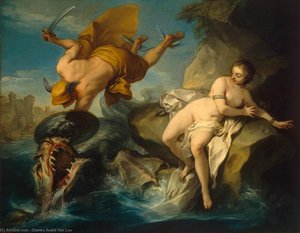 Perseus and Andromeda1735
 The sultana1747
Self-Portrait 관련 에세이
 Charles-André van Loo: A Study in Rococo Portraiture & the French Court's Artistic DynamicsExplore the elegant world of Charles-André van Loo, a master of Rococo portraiture at the French court. Discover his life, techniques, and …
 세 가지 캔버스의 이야기: 선택이 감정을 불러일으키는 방식 (A Tale of Three Canvases: How Choice Inspires Emotion)세 가지 캔버스의 이야기를 통해 선택이 감정을 불러일으키는 방식을 탐구합니다. 미술 작품 구매, 아트 컨설팅부터 맞춤 그림 제작까지, OriginalUniqueArt에서 당신의 공간에 예술적 가치를 더하세요.
 Reflecting the Self: A History of Portraiture & Psychological InsightExplore the fascinating history of self-portraiture from Renaissance masters like Dürer & Rembrandt to modern interpretations. Discover the…