
 미리보기
미리보기
 프린트 구매
 공유하기
공유하기 공유하기
공유하기
 상세 정보
상세 정보

 다운로드
다운로드
 유사 작품
유사 작품 X-레이
X-레이 슬라이드 쇼
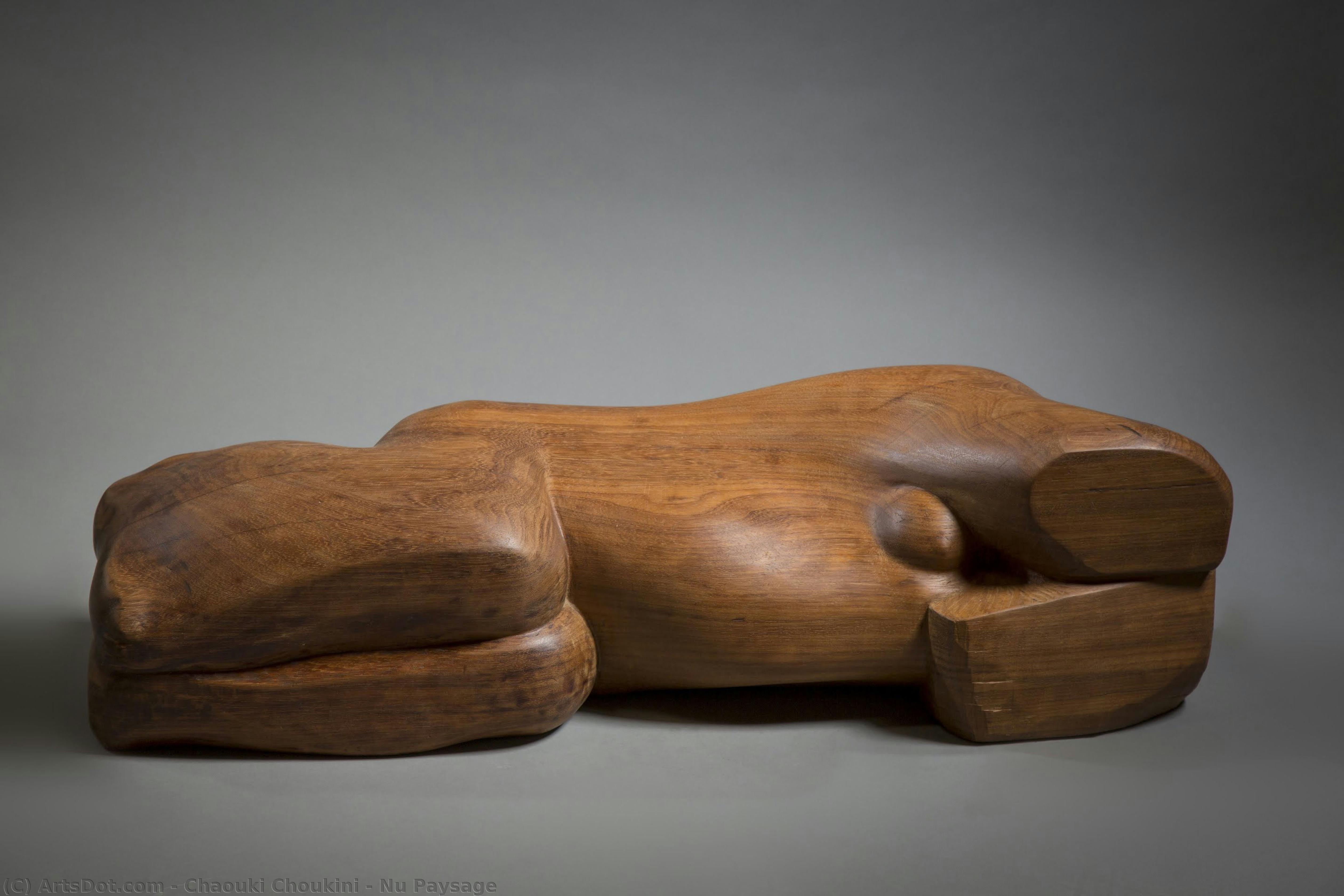
Nu Paysage
 30.0 x 90.0 cm
 Barjeel Art Foundation
 더 보기
더 보기




































작품의 원본 비율을 유지하는 미리 설정된 크기 중에서 선택하세요.

특정 프레임이나 공간에 맞도록 직접 크기를 입력할 수 있습니다. 선택하신 크기가 원본 이미지의 비율과 일치하지 않는 경우, 작품을 자르거나 추가적인 손으로 그린 요소를 사용하여 그림을 확장합니다. 제작 시작 전 승인을 위해 디지털 목업을 보내드립니다.
화면 미리 보기는 실제 자르기 또는 확장을 반영하지 않습니다. 최종 구성은 목업을 통해서만 정확하게 확인하실 수 있습니다.
맞춤 크기 제작도 가능하지만, 원본 비율을 유지하기 위해 사전 정의된 목록에서 크기를 선택하시는 것을 권장합니다.
주문 후 OriginalUniqueArt.com 팀에서 상세 안내를 위해 고객님께 이메일을 보내드리며, 미리보기 시안을 제공해 드립니다.


 유리 옵션은 110cm 미만 크기에서만 선택 가능합니다.

Nu Paysage
재현 기법
복제본 크기
-


최종 결제 금액
$ 300
작가 약력
The Sculptor of Silent Narratives: The Life and Art of Chaouki Choukini
Born in 1946 in the village of Choukine, within the verdant landscapes of southern Lebanon, Chaouki Choukini carries within his artistic DNA the profound textures of his homeland. His journey is one of remarkable synthesis, bridging the rustic simplicity of a childhood spent amidst carpenter workshops with the sophisticated avant-garde movements of Europe. As a young boy, Choukini’s hands first learned the language of wood through the creation of toys, an early intimacy with material that would later evolve into a world-renowned mastery of abstract form. This foundational connection to the organic world serves as the heartbeat of his entire oeuvre, grounding even his most ethereal abstractions in a tangible, earthly reality.
The trajectory of Choukini’s career took a transformative turn when he moved to Paris to study at the École Nationale Supérieure des Beaux-Arts between 1967 and 1972. It was within the vibrant, intellectual crucible of the French capital that his aesthetic began to coalesce. Exposed to the radical geometries of Cubism, the dreamlike distortions of Surrealism, and the stripped-back essence of Minimalism, Choukini moved away from the academic tradition of sculpting live models toward a more profound exploration of pure form. His time in Paris was not merely an education in technique but a spiritual expansion, allowing him to weave together the cultural dynamism of his Lebanese roots with the rigorous formalist inquiries of Western modernism.
Materiality and the Soul of Wood
At the core of Choukini’s practice lies an unwavering devotion to wood—a medium he perceives not as a passive substance, but as a living, breathing entity. He approaches his materials, such as Iroko, wenge, and sippo wood, with a reverence that borders on the ritualistic. His technique involves direct carving, a process that demands immense dexterity and an intimate dialogue with the grain, knots, and density of the timber. Through meticulous polishing, he achieves surfaces so smooth they appear almost liquid, creating a striking tension between the rugged, natural origins of the wood and the refined, man-made precision of his finished sculptures.
Choukini’s work is celebrated for its ability to evoke "landscape memories" without resorting to literal representation. His sculptures often function as architectural or geological abstractions; he piles block upon block to create imaginary cityscapes, mountains, or totemic figures that seem to emerge from the earth itself. In these works, the distinction between the biological and the mineral begins to blur. A curve in a piece of carved wood might suggest the reclining silhouette of a nude figure or the rolling contour of a hill, effectively eliding the boundary between human presence and the natural world. This interplay of positive and negative space creates a rhythmic harmony that invites the viewer into a state of quiet contemplation.
A Legacy of Form and Recognition
The evolution of Choukini’s style was further enriched by a pivotal journey to Japan in 1984. Under the mentorship of the master sculptor Fumio Otani, he absorbed the principles of Japanese minimalism, which introduced a new level of sobriety and refinement to his compositions. This period instilled in him an appreciation for the "silent" power of space and the beauty found in understated, elegant edges. His later works reflect this mastery, characterized by a balanced tension between corners and curves, and a profound ability to convey complex emotions through simplified, geometric silhouettes.
Throughout his illustrious career, Choukini has garnered significant international acclaim, marked by prestigious honors such as:
- The Prix de la Jeune Sculpture (1978), which signaled his arrival as a formidable talent in the Parisian art scene.
- The Taylor Foundation Prize (2010), awarded for his poignant work Petit Prince, L’Enfant de Gaza.
- The Prix de la Fondation Pierre Gianadda, bestowed by the Académie des Beaux-Arts de l'Institut de France.
Beyond the gallery walls, Choukini has contributed to the academic landscape, teaching sculpture at the Lebanese University in Tripoli and the Jordanian University of Yarmouk. Today, his work remains a vital bridge between cultures and eras. Whether through the dark, evocative depths of his stone carvings or the warm, organic presence of his wooden totems, Chaouki Choukini continues to sculpt the very essence of memory, transformation, and the enduring connection between humanity and the natural world.

chaouki choukini
1940 - , Lebanon
주요 정보
- Artistic Movement Or Style: Abstract sculpture
- Artists Or Movements Influenced By This Artist: ['']
- Artists Who Influenced This Artist: ['']
- Date Of Death: Living
- Full Name: Chaouki Choukini
- Nationality: Lebanese
- Notable Artworks:
- The Horse of Guernica
- Nu Paysage
- Place Of Birth: Choukine, Lebanon

