

 미리보기
미리보기
 공유하기
공유하기 공유하기
공유하기
 상세 정보
상세 정보

 다운로드
다운로드
 유사 작품
유사 작품 X-레이
X-레이 슬라이드 쇼
 Stats
Statsuntitled (4372)


 더 보기
더 보기
지클레 / 아트 프린트
빠른 제작과 다양한 마감 옵션을 제공하는 박물관 품질의 지클레이 또는 캔버스 프린트. ( 손으로 그린 그림 구매 Switch to Digital Image)




P118B $10

P118H $10

P118W $10

P438Z $10

P508JH $12

P508YH $12

P805H $10

P805Z $10

P919BZ $10

P919G $10

P919XJ $10

P959ZH $10

P968JZ $12

W106C $8

W218G $10

W218JH $8

W218Y $10

W307PJ $10

W316G $10

W316PJ $8

W316Y $10

W398PJ $8

W4111J $10

W500HY $15

W500JH $15

W692G $12

W849H $8

W940BG $15

W953PJ $8




작품의 원본 비율을 유지하는 미리 설정된 크기 중에서 선택하세요.

특정 프레임이나 공간에 맞춰 직접 치수를 입력하실 수 있습니다. 선택하신 사이즈가 원본 이미지의 비율과 일치하지 않을 경우, 작품을 크롭(자르기)하거나 이미지를 대칭 또는 단색 채우기로 확장하여 제작합니다. 제작 시작 전, 최종 확인을 위해 디지털 목업이 전송됩니다.
화면상의 미리보기는 실제 크롭이나 확장 상태를 반영하지 않으므로, 최종 구도는 오직 목업을 통해서만 정확하게 확인하실 수 있습니다.
맞춤 사이즈 제작도 가능하지만, 원본 비율을 유지하기 위해서는 사전 정의된 목록에서 치수를 선택하시는 것을 권장합니다.


 유리 옵션은 110cm 미만 크기에서만 선택 가능합니다.

untitled (4372)
지클레 / 아트 프린트
복제본 크기
-


최종 결제 금액
$ 80
A Symphony of Light and Solitude
In the quiet realm of Caspar David Friedrich’s "Untitled (4372)", the viewer is not merely presented with a landscape, but invited into a profound meditation on existence. This masterpiece of the Romantic era captures a moment where the boundaries between the physical world and the spiritual plane begin to dissolve. At the heart of the composition stands a towering, majestic tree, its sprawling branches laden with lush foliage that seems to pulse with life. As sunlight filters through the canopy, it creates a delicate dance of dappled light and shadow, casting a warm, ethereal glow across the scene. This interplay of luminosity does more than illuminate the forest; it breathes a sense of vitality into the stillness, suggesting that even in moments of profound solitude, there is an underlying rhythm of life and movement.
The atmosphere is further enriched by the presence of scattered birds, some perched in quiet contemplation while others take flight against the soft backdrop. These small, dynamic elements serve as subtle metaphors for freedom and the fleeting nature of time, punctuating the landscape's inherent stillness with a sense of grace. For the discerning collector or interior designer, this painting offers more than visual beauty; it provides a focal point of serene energy, capable of transforming a room into a sanctuary of peace and introspection.
The Mastery of Romantic Technique
Friedrich’s technical prowess is evident in every meticulously rendered leaf and shifting shadow. Utilizing the rich, deep textures of oil on canvas, the artist employed sophisticated glazing techniques to achieve a remarkable sense of depth and translucency. By layering thin, transparent coats of paint, he captured the subtle nuances of light as it penetrates the forest's edge, creating an illusionistic effect that draws the eye deep into the heart of the woods. This painstaking precision allows the viewer to experience the tactile quality of the bark and the delicate weight of the leaves, making the scene feel tangibly present.
The style is a quintessential expression of Romanticism, a movement that sought to prioritize raw emotion and the sublime over the rational constraints of classical art. Friedrich does not aim for a mere photographic representation; instead, he uses the natural world as a vessel for the human soul. The composition is harmoniously balanced, with smaller trees in the distance providing a sense of scale and perspective that emphasizes the grandeur of the central subject. This careful arrangement ensures that the painting possesses a rhythmic flow, guiding the gaze through a landscape that feels both infinitely vast and intimately personal.
Symbolism and the Eternal Connection
To look upon this work is to engage with the philosophical currents of the early 19th century. During a period of significant intellectual upheaval, Friedrich’s art resonated with the ideals of Kantian idealism, emphasizing the primacy of subjective experience and the spiritual weight of the natural world. The central tree serves as a powerful symbol of resilience and endurance—a visual metaphor for the human spirit striving toward enlightenment. Its roots anchored in the earth yet its branches reaching toward the heavens represent the eternal connection between the terrestrial and the divine.
For those seeking to adorn a space with art that inspires deep thought, this reproduction offers an unparalleled opportunity. It is a piece that speaks to the themes of transcendence and the beauty found in isolation. Whether placed in a quiet study, a grand living area, or a contemporary gallery setting, "Untitled (4372)" acts as a window into a more contemplative way of being, reminding us that within the solitude of nature, we may find our most profound connections to the universe.
작가 약력
카스파르 다비트 프리드리히: 고독한 영혼의 풍경
1774년 9월 5일, 발트해 연안의 작은 항구 도시 그라이프슈발트에서 태어난 카스파르 다비트 프리드리히는 그의 삶 자체가 깊은 슬픔과 고독으로 가득 찬 분위기 속에서 펼쳐졌다. 어린 시절 어머니와 형제자매들의 죽음은 그의 영혼에 지울 수 없는 상처를 남겼고, 이는 그의 작품 전반에 걸쳐 나타나는 사색적이고 우울한 정서의 근원이 되었다. 초기에는 형 크리스티안에게 그림을 배우며 미술가로서의 길을 걷기 시작했지만, 라이프치히 대학교에서 신학과 미술을 함께 공부하며 예술과 영성 사이의 깊은 연결고리를 탐구했다. 이러한 이중적인 관심사는 그의 작품에 자연의 아름다움과 인간의 내면세계의 심오한 교감을 담아내는 독특한 시각을 부여했다. 코펜하겐에서 더욱 정교한 기법을 연마하며 네덜란드 화파의 영향을 받았지만, 단순한 모방이 아닌 자신만의 예술적 표현을 추구하여 자연 속에서 인간의 감정을 투영하는 데 집중했다.낭만주의 풍경화의 선구자
프리드리히는 단순히 풍경을 묘사하는 것을 넘어, 그 안에 깊은 상징적인 의미를 불어넣었다. 이전 화가들이 중시했던 세밀한 묘사는 거부하고, 보다 개인적이고 표현적인 접근 방식을 택했다. 그의 작품은 숭고미라는 개념에 대한 강조로 특징지워지는데, 이는 자연의 웅장함 앞에서 느끼는 경외감과 공포, 그리고 영적인 연결감을 불러일으키는 것을 의미한다. 특히 *뤼켄피규어* (등을 보이는 인물) 기법은 그의 작품에서 중요한 요소로 작용하며, 관람객이 풍경 속에 직접 들어와 사색에 잠기는 듯한 경험을 선사한다. 고대 나무, 솟아오른 산맥, 휘몰아치는 안개, 그리고 무너져가는 폐허 등 자연의 요소들은 단순한 배경이 아닌 삶의 순환, 영적인 갈망, 역사의 무게를 상징하는 강력한 도구로 사용되었다. 그의 팔레트는 주로 푸른색, 회색, 갈색 등의 차분한 색조로 이루어져 있으며, 이는 작품 전체에 드리워진 사색적이고 침울한 분위기를 더욱 강조한다. 프리드리히는 자연을 신성한 존재로 묘사하며 인간의 영혼과 연결되는 통로로서 제시함으로써 낭만주의 미술의 새로운 지평을 열었다.대표작과 지속적인 주제
프리드리히의 예술적 성취를 보여주는 대표작으로는 "오크우드의 수도원"(1809-1810)이 있다. 이 작품은 황량한 나무들로 둘러싸인 폐허가 된 공동묘지를 묘사하며, 죽음과 영적인 몰락이라는 주제를 강렬하게 드러낸다. 아마도 그의 가장 유명한 작품인 "안개 속의 바다 위의 방랑자"(c. 1818)는 인간이 광활하고 신비로운 존재 앞에서 느끼는 고독과 갈망을 담아낸 낭만주의적 이상을 구현한다. 휘몰아치는 안개의 바다를 배경으로 실루엣 처리된 인물은 인간의 야망과 무력함을 동시에 보여준다. "뤼겐 섬의 백악절벽"(1818)은 그의 대기 효과 조작 능력을 보여주는 작품으로, 초기 독일 민족주의의 부상과 함께 나타나는 국가 정체성에 대한 미묘한 의문을 제기한다. 더욱 극적인 작품인 "얼음의 바다"(1824)는 자연의 거대함과 인간 운명에 대한 무관심을 표현하며, 보는 이에게 깊은 인상을 남긴다. 그의 작품 전반에는 신성한 자연, 우주적 힘 앞에서 드러나는 인간의 연약함, 고독, 영적인 갈망, 그리고 독일 민족주의라는 주제가 끊임없이 반복된다.유산과 재평가
프리드리히는 네덜란드 황금 시대 화가들의 작품, 특히 야코브 반 루이스다엘의 풍경화에서 영향을 받았으며, 동시에 임마누엘 칸트의 철학 사상으로부터 영감을 얻어 인간 인식의 한계와 주관적 경험의 힘에 대한 탐구를 이어갔다. 개인적인 상실과 영성에 대한 깊은 고민 또한 그의 예술적 비전을 형성하는 데 중요한 역할을 했다. 생전에는 상당한 명성을 누렸지만, 시대의 변화로 인해 그의 작품은 잠시 잊혀지기도 했다. 그러나 20세기 초에 베를린에서 열린 전시회를 통해 재평가되기 시작했으며, 이후 표현주의 화가들과 초현실주의자, 실존주의자 등 수많은 예술가들에게 영감을 주었다. 나치 시대에는 일시적으로 그의 작품이 독일 민족주의를 상징하는 도구로 이용되기도 했지만, 1970년대 이후 국제적인 재조명과 함께 그는 독일 낭만주의 미술의 가장 중요한 인물 중 한 명으로 자리매김했다. 그의 작품은 오늘날에도 여전히 많은 사람들에게 깊은 감동을 선사하며, 인간과 자연 세계 사이의 깊은 연결, 그리고 예술이 인간 존재에 대한 근본적인 질문을 탐구하는 강력한 힘임을 상기시켜 준다.역사적 의의
카스파르 다비트 프리드리히의 작품은 낭만주의 시대의 정신을 완벽하게 포착했다. 이 시기는 계몽주의의 합리성을 거부하고 감성, 상상력, 개인주의를 중시하는 분위기 속에서 전개되었다. 그의 풍경화는 분열된 정치적 상황 속에서 독일 민족 정체성을 강화하는 데 기여했으며, 공유된 문화 유산을 형성하는 데 중요한 역할을 했다. 비록 19세기 초에 드레스덴에서 세상을 떠났지만, 그의 유산은 시대를 초월하여 오늘날까지 이어지고 있다. 그는 단순히 눈에 보이는 것을 그리는 것이 아니라, 느끼는 대로 그림으로써 인간의 내면세계를 솔직하게 표현했으며, 이러한 감정적 진실성이 그의 작품을 오랫동안 사람들에게 매혹적으로 만드는 요인이다. 그의 작품은 예술이 인간 존재의 가장 깊은 질문들을 탐구하고, 자연과의 조화로운 관계를 통해 영적인 깨달음을 얻도록 이끄는 강력한 힘임을 증명하는 증거이다.
카스파르 다비트 프리드리히
1774 - 1840 , 독일
주요 정보
- 국적: 독일인
- 대표 작품:
- 참나무 숲의 수도원
- 안개 속의 방랑자
- 뤼겐 섬의 백악절벽
- 빙해
- 사망일: 1840년 5월 7일
- 영향을 받은 예술 사조:
- 상징주의
- 초현실주의
- 영향을 준 예술가: ['얀 반 라이스다엘']
- 예술 사조: 낭만주의
- 전체 이름: 카스파르 다비트 프리드리히
- 출생일: 1774년 9월 5일
- 출생지: 그라이프스발트, 독일
관련 기사 더 보기
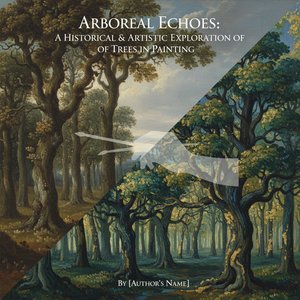
Arboreal Echoes: A Historical & Artistic Exploration of Trees in Painting
Explore the rich history of trees in painting! Discover symbolism, Romantic masterpieces by Caspar David Friedrich & beyond. A curated journey for art enthusiasts.

Arboreal Echoes: A Historical & Artistic Exploration of Trees in Painting
Explore the rich history of trees in painting! Discover symbolism, Romantic masterpieces by Caspar David Friedrich & beyond. A curated journey for art enthusiasts.
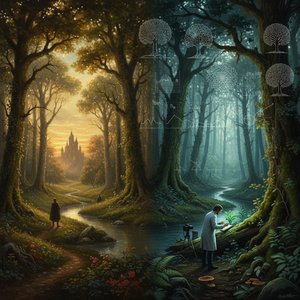
The Enchanted Canopy: Exploring Forests in Art History – From Romantic Idealization to Ecological Consciousness
Explore the rich history of forests in art! Discover Romantic masterpieces by Friedrich & Monet, Symbolist depths, and contemporary visions. Find inspiration & quality reproductions at OriginalUniqueArt.

낭만 풍경화의 황홀! 예술사에 빛난 10대 걸작 탐구 | 와후아트
낭만주의 시대, 예술혼을 불태운 10대 풍경화 걸작! 터너부터 프리드리히까지, 시대를 초월하는 아름다움을 와후아트에서 만나보세요. 고흐의 색채와 코로의 섬세함이 당신의 공간에 영감을 더합니다. 지금 바로 와후아트에서 명품 미술 작품을 감상하고 구매하세요!

Evocations of Place: A Historical Journey Through Landscape Art
Explore the rich history of landscape art with OriginalUniqueArt. Discover renowned artists, movements like Impressionism & Romanticism, and expert guidance for collecting timeless pieces. Find your perfect serene escape today!


