

 실제 크기로 보기
 보내기
보내기 공유하기
공유하기
 상세 보기
상세 보기 가이드 보기

 이미지 다운로드
 유사 작품 더 보기
 X-레이
X-레이 슬라이드 쇼 보기
 Q&A
Q&A 통계 정보
통계 정보Portrait of Berta Singerman

 상세 보기
상세 보기
웹 미리보기 화면을 훨씬 뛰어넘는 인쇄용 파일을 만나보세요. 저희가 판매하는 모든 디지털 이미지는 스톡 데이터베이스 내의 고해상도 마스터 파일(일반적으로 가로 5,000~15,000픽셀)을 기반으로 합니다. 따라서 대형 인쇄나 정밀한 크롭 작업 시에도 세밀한 디테일을 자신 있게 구현할 수 있습니다.
저희 스튜디오를 거치는 모든 파일은 정교한 손길을 거칩니다. 디지털 전문가가 원작과 대조하여 색상을 점검하고 필요 시 보정하며, 전문 리터칭 도구를 사용하여 선명도와 디테일을 높입니다. 이 과정에서 작가의 붓 터치와 화풍을 충실히 유지하는 것을 원칙으로 합니다. 그 결과, 단순한 스캔본에 필터를 입힌 듯한 느낌이 아닌, 마치 실제 회화 작품을 보는 듯한 이미지를 구현해냅니다.
최종 완료 전 확인 단계가 있습니다. 전문가가 검토하실 수 있도록 72시간 이내에 이메일로 이미지를 보내드립니다. 결과물이 만족스럽지 않으신가요? 수정이나 보완을 요청하시거나, 품질이 기대에 미치지 못할 경우 환불을 요청하실 수 있습니다.
출판사, 디자인 스튜디오, 갤러리 및 인쇄소가 신뢰하는 바로 그 품질입니다.
디지털 이미지
개인 소장 및 전시, 인쇄, 창작 프로젝트를 위한 고해상도 파일을 다운로드하세요. ( 프린트 판매로 전환 수작업 채색 복제본 주문하기)
모든 디지털 이미지 주문 시 제공되는 혜택
전문적인 디지털 이미지 전송 보장
OriginalUniqueArt.com를 선택하시면 단순히 이미지를 받는 것을 넘어, 정밀한 보정 과정을 거쳐 완성된 전문적인 디지털 예술 작품을 만나보실 수 있습니다. 모든 작품에는 만족 보장 서비스가 함께 제공되며, 주문 시 다음과 같은 사항들이 자동으로 포함됩니다:

빠른 이메일 수령
주문 후 72시간 이내에 고해상도 디지털 이미지 파일이 이메일로 발송되며, 즉시 사용하실 수 있습니다.

AI 기술로 최적화된 디지털 파일
귀하의 작품은 고급 AI 기술과 정교한 수동 편집 과정을 거쳐 전문적으로 최적화되며, 이를 통해 디테일과 선명도, 색상의 정확도를 극대화합니다.

평생 무료 재전송 서비스
파일을 실수로 삭제하거나 분실하셨나요? 걱정 마세요. 언제든 무료로 다시 보내드립니다.

추가 수입 비용 없음 - 언제나
관세나 부가세, 배송비 부담 없이 작품을 즉시 소장하세요 - 디지털 다운로드는 언제나 면세 혜택이 적용됩니다.

정확한 색상 보장
전문적인 도구와 색상 관리 시스템을 통해 디지털 이미지가 원본의 색상을 최대한 정확하게 구현하도록 보장합니다.

100일 만족 보장제
구매하신 디지털 이미지에 만족하지 못하실 경우, 100일 이내에 별도의 조건 없이 수정 또는 100% 환불을 진행해 드립니다.

100% 환불 보장
만족스럽지 않으신가요? 디지털 파일을 받으신 후 100일 이내에 조건 없이 전액 환불해 드립니다.

대량 주문 할인
이미지 3매 구매 시 10% 할인 - 5매 구매 시 15% 할인 - 10매 이상 구매 시 20% 할인. 크리에이티브 프로젝트, 갤러리, 에이전시에 매우 유용합니다.
질의응답
"Portrait of Berta Singerman" 작품을 증강 현실(AR)로 미리 볼 수 있나요?
Carlos Mérida의 "Portrait of Berta Singerman"의 AR 미리보기 페이지에서는 증강 현실(AR) 기술을 사용하여 호환 가능한 기기를 통해 작품이 사용자의 공간에 배치된 모습을 미리 확인할 수 있습니다.
"Portrait of Berta Singerman"은(는) 누가, 몇 년도에 제작했을까요?
"Portrait of Berta Singerman"의 작가는 Carlos Mérida이며, 제작 연도는 1927년입니다.
"Portrait of Berta Singerman"의 다운로드가 가능한가요?
Carlos Mérida의 "Portrait of Berta Singerman"의 이미지는 작품의 다운로드 페이지에서 다운로드하실 수 있습니다: 고해상도 디지털 이미지 다운로드.
아티스트 프로필
A Fusion of Worlds: The Life and Art of Carlos Mérida
Carlos Mérida, born Carlos Santiago Ortega in Guatemala City in 1891, stands as a pivotal figure in the narrative of Latin American modern art. His journey was one of constant exploration—a compelling synthesis of European avant-garde sensibilities with the rich cultural heritage of his Guatemalan roots and, later, the vibrant artistic landscape of Mexico. Initially drawn to music, Mérida’s path shifted due to hearing loss, a circumstance that unexpectedly steered him toward painting under his father's encouragement. This redirection proved fortuitous, unlocking a talent that would blossom across continents and redefine artistic boundaries. His early studies at the Instituto de Artes y Oficios and the Instituto de Ciencias y Letras in Guatemala City laid the foundation for an artistic career marked by innovation and a relentless pursuit of a uniquely American aesthetic. Even his adoption of the surname “Mérida,” finding it more resonant, speaks to a deliberate crafting of identity—a theme that would permeate his life and work. His first exhibition in 1910 already hinted at the avant-garde tendencies that would define his artistic vision.Parisian Encounters and the Seeds of Modernism
The year 1910 marked a turning point, as Mérida embarked on a journey to Paris with a fellow artist, Carlos Valenti. This sojourn into the heart of Europe proved transformative. Immersed in the burgeoning modernist movements, he encountered giants like Van Dongen, Modigliani, Picasso, and Mondrian—artists who were dismantling traditional artistic conventions and forging new visual languages. He exhibited at the Independent Salon and Giroux Gallery, absorbing the energy of a city pulsating with creative ferment. These encounters weren’t merely observational; Mérida actively engaged with these masters, participating in discussions and debates that shaped his understanding of art's potential. The tragic suicide of Valenti deeply affected him, but he persevered, finding solace and guidance from artists like Roberto Montenegro who helped him navigate the complexities of the Parisian art scene. This period instilled within him a deep appreciation for Cubism and other emerging styles, providing the tools with which he would later articulate his own artistic vision.Returning to Roots: Guatemala and Mexico
Following World War I, Mérida returned to Guatemala in 1914, but this was not a return to the status quo. The experience of Europe had irrevocably altered his perspective. He began to look inward, captivated by Guatemalan folklore and driven by a desire to define an authentically “American” identity within his art. His exhibitions during this time were groundbreaking, signaling the dawn of modern painting in Guatemala. However, it was Mexico that ultimately became his artistic home. In 1919, he relocated to Mexico City, drawn by the fervor of the Mexican muralism movement and a sense of shared cultural purpose. He quickly integrated into the artistic community, collaborating with Diego Rivera and Xavier Guerrero on projects like the murals at the National Preparatory School as part of the *Renacimiento Mexicano* (Mexican Renaissance). Yet, Mérida’s approach differed from that of his muralist contemporaries. While they often favored figurative narratives steeped in social and political commentary, Mérida gravitated towards abstraction—a path he solidified after a second trip to Europe in the late 1920s where he further explored Mayan art.Plastic Integration and a Unique Artistic Language
Mérida’s artistic philosophy culminated in his concept of “plastic integration,” an ambitious attempt to harmonize art and architecture. This vision reached its most expansive expression in the Benito Juárez Housing Project, a large-scale endeavor that tragically fell victim to the 1985 Mexico City earthquake. The project exemplified Mérida's belief in the power of art to transform living spaces and elevate everyday life. Throughout his career, he continued to experiment with diverse mediums—designs, graphic works, scenographic sketches for dance, and tapestries—always returning to geometric variations and vibrant color palettes. His style became instantly recognizable: a dynamic interplay of abstract forms infused with Mayan symbolism and the energy of Mexican modernism. He wasn’t simply appropriating indigenous motifs; he was engaging in a dialogue between ancient traditions and contemporary aesthetics, creating a visual language that was both deeply rooted and strikingly original. His work is characterized by its bold colors, geometric shapes, and integration of Mayan cultural elements. His contributions were widely recognized with exhibitions in the United States—at Harvard University and the Museum of Fine Arts, Boston, among others—and culminated in the National Prize for Arts and Sciences in Mexico.A Lasting Legacy
Carlos Mérida passed away in Mexico City in 1985 at the age of 94, leaving behind a legacy that continues to inspire artists and scholars alike. He is remembered not merely as an artist who blended European modernism with Latin American themes but as a visionary who forged a new path for artistic expression. He successfully synthesized disparate influences—Cubism, Surrealism, Mayan art, Mexican muralism—into a cohesive and compelling aesthetic. His work transcends categorization, existing in a space between abstraction and representation, tradition and innovation. Mérida’s enduring significance lies in his ability to articulate a uniquely American identity through the universal language of art, proving that artistic boundaries are meant to be challenged and redefined. He remains a testament to the power of cultural exchange and the transformative potential of creative vision.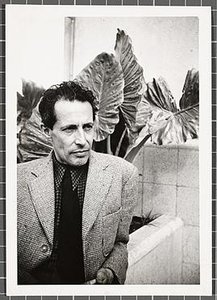
Carlos Mérida
1891 - 1984