
 실제 크기로 보기
 보내기
보내기 공유하기
공유하기
 상세 보기
상세 보기 가이드 보기

 이미지 다운로드
 유사 작품 더 보기
 X-레이
X-레이 슬라이드 쇼 보기
 Q&A
Q&A 통계 정보
통계 정보Picos de Europa

- 31.0 x 41.0 cm


 상세 보기
상세 보기
지클레 / 아트 프린트
빠른 제작과 다양한 마감 옵션을 선택할 수 있는 박물관 수준의 지클레이 및 캔버스 프린트. ( 수작업 채색 복제본 주문하기 디지털 이미지 판매 채널로 전환)




P118B ₩10

P118H ₩10

P118W ₩10

P438Z ₩10

P508JH ₩12

P508YH ₩12

P805H ₩10

P805Z ₩10

P919BZ ₩10

P919G ₩10

P919XJ ₩10

P959ZH ₩10

P968JZ ₩12

W106C ₩8

W218G ₩10

W218JH ₩8

W218Y ₩10

W307PJ ₩10

W316G ₩10

W316PJ ₩8

W316Y ₩10

W398PJ ₩8

W4111J ₩10

W500HY ₩15

W500JH ₩15

W692G ₩12

W849H ₩8

W940BG ₩15

W953PJ ₩8




작품의 원본 비율을 그대로 유지하는 프리셋 사이즈 중에서 선택해 보세요.

액자나 벽면 크기에 맞춰 필요한 가로와 세로 길이를 입력해 주세요. 프린트는 원본 이미지보다 크게 제작할 수 없으며 오직 자르는 것만 가능하므로, 비율이 다른 사이즈를 선택할 경우 이미지의 일부가 잘려 나갈 수 있습니다. 인쇄 작업에 들어가기 전, 최종 확인을 위해 디지털 목업을 보내드립니다. 이 페이지에 표시된 이미지는 실제 잘리는 영역을 나타내지 않으며, 오직 목업을 통해서만 정확한 확인이 가능합니다.


 유리 옵션은 110cm 미만 크기에서만 선택 가능합니다.

Picos de Europa
지클레 / 아트 프린트
복제본 규격
-


총 결제 금액
₩ 107740
A Breath of Alpine Majesty
In the quiet majesty of Picos de Europa, we encounter more than just a landscape; we enter a profound dialogue between the earth and the sky. Painted in 1874 by the master of Spanish realism, Carlos de Haes, this work captures the rugged, untamed spirit of one of Spain's most iconic mountain ranges. The scene unfolds with a breathtaking sense of scale, where two prominent peaks rise through a veil of drifting clouds, their slopes draped in a lush, verdant tapestry of greenery. As the eye wanders across the canvas, it discovers a delicate balance of textures—from the soft, ephemeral movement of the sky to the solid, enduring presence of the ancient stone and scattered trees that anchor the composition.
The painting serves as a masterful window into the en plein air tradition. De Haes, influenced by his Flemish training under Joseph Quinaux, brings an unparalleled level of observational truth to this piece. Every brushstroke feels intentional, contributing to a sense of depth that pulls the viewer into the cool, mountain air. The interplay of light and shadow across the undulating terrain creates a dynamic atmosphere, where the clouds do not merely sit in the sky but seem to dance around the summits, suggesting the fleeting, ever-changing nature of the natural world.
The Legacy of Realism and Natural Truth
To understand Picos de Europa is to understand the pivotal moment in art history when painters moved away from idealized, studio-bound fantasies toward a sincere devotion to nature. Carlos de Haes was a pioneer of this movement in Spain, bridging the gap between Northern European precision and the vibrant, sun-drenched landscapes of his adopted home. This particular work exemplifies his ability to capture the geological soul of a place. There is no unnecessary drama here—only the quiet, powerful reality of the mountains, rendered with a meticulousness that honors the true character of the landscape.
For the discerning collector or interior designer, this reproduction offers a sophisticated focal point that brings an element of organic tranquility to any space. The lush greens and earthy tones provide a grounding presence, making it an ideal selection for rooms designed for contemplation or refined elegance. It is not merely a decoration; it is an invitation to pause and reconnect with the sublime beauty of the natural world, offering a timeless sense of peace that transcends the modern era.
질의응답
Carlos de Haes의 "Picos de Europa"은(는) 어떤 미술 사조에 속하나요?
Carlos de Haes의 "Picos de Europa"은(는) Realism 사조에 속합니다. 이 사조는 해당 작품의 양식적 배경을 제공합니다.
Carlos de Haes의 "Picos de Europa"의 재료는 무엇인가요?
Carlos de Haes은(는) "Picos de Europa" 작품에 Oil 기법을 사용했습니다. 이 기법은 원작의 재료적 특성을 잘 보여줍니다.
Carlos de Haes의 "Picos de Europa"의 디지털 파일을 어떻게 구할 수 있나요?
"Picos de Europa"은(는) 디지털 이미지 페이지에서 직접 구매 가능한 고해상도 디지털 이미지 다운로드 형태로 제공됩니다.
작가 소개
A Pioneer of Spanish Realist Landscape Painting
Carlos de Haes, born in Brussels in 1829 and later a defining figure in Spanish art, occupies a unique position as a bridge between Northern European landscape traditions and the burgeoning realist movement within Spain. His journey began not amidst artistic circles, but within a family of bankers, a background that would subtly inform his meticulous approach to observation and representation. The relocation to Málaga in 1835 proved pivotal, immersing the young artist into a distinctly Spanish light and culture that would become the enduring subject of his work. Early training under Luis de la Cruz y Ríos, a neoclassical portraitist, provided a foundational skill set, but it was his subsequent studies with Joseph Quinaux, a Flemish landscape painter, that truly ignited his artistic path. Quinaux instilled in him the revolutionary practice of *en plein air* painting – working directly from nature – a method that would become synonymous with de Haes’s name and fundamentally alter Spanish art education. These formative years were further enriched by extensive travels throughout Europe—Holland, France, and Germany—exposing him to diverse artistic styles and broadening his understanding of landscape representation.Forging a New Path in Spain
Returning to Spain in 1855, de Haes actively engaged with the National Exhibitions of Fine Arts, steadily gaining recognition for his increasingly sophisticated landscapes. However, it was his appointment as professor of landscape painting at the Real Academia de Bellas Artes de San Fernando in 1857 that cemented his legacy. This wasn’t merely a professional advancement; it was a paradigm shift. De Haes championed *en plein air* painting and direct observation from nature—a radical departure from the then-prevalent studio-bound academic tradition. He became an Academician at the Royal Academy in 1860, further solidifying his influence. His teaching extended far beyond technical instruction; he fostered a generation of landscape painters who embraced outdoor work and sought to capture the essence of Spain’s diverse topography. Among his most notable students were Jaime Morera, Aureliano de Beruete, and Darío de Regoyos—artists who would themselves become leading figures in Spanish Realism. While *La Canal de Mancorbo en los Picos de Europa*, submitted to the 1876 National Exhibition, didn’t initially receive a prize, its profound impact was undeniable. The painting's realistic depiction of the rugged Spanish landscape resonated deeply and was subsequently acquired by the Museo del Prado, marking a significant moment in the acceptance of landscape as a serious genre within the Spanish art world.Style, Influences, and Artistic Evolution
De Haes is fundamentally recognized as a Realist painter, prioritizing accurate representation over romanticized ideals. His early work reflects this commitment, meticulously capturing the details of light, atmosphere, and terrain. However, his style wasn’t static. Over time, it evolved towards the aesthetic principles of the Barbizon School, characterized by looser brushwork and an increased emphasis on conveying atmospheric effects. This shift is evident in a growing sensitivity to mood and nuance within his landscapes. The influence of Joseph Quinaux remained paramount throughout his career, continually reinforcing the importance of direct observation. Beyond this foundational mentorship, de Haes drew inspiration from broader European landscape traditions encountered during his travels, synthesizing these influences into a uniquely Spanish vision. He wasn’t simply replicating what he saw; he was interpreting it through a lens shaped by his Belgian origins and his deep immersion in the Spanish environment. This synthesis allowed him to capture “something of a particularly Spanish ‘essence’” as contemporaries noted—a quality that distinguished his work from purely imitative representations.A Lasting Legacy
Carlos de Haes left behind an extensive body of work – approximately 4,000 paintings and sketches – now scattered across various institutions including the Carmen Thyssen Museum in Málaga, the Lleida Museum, and, most notably, the Museo del Prado. His influence on Spanish landscape painting remains profound. He not only revolutionized artistic practice through his advocacy of *en plein air* painting but also elevated the status of landscape within the broader art world. The generation of artists he mentored continued to build upon his foundations, further developing Spanish Realism and establishing a vibrant tradition of outdoor painting. His dedication to depicting Spain’s natural beauty with accuracy and sensitivity continues to inspire artists today. Even literary figures recognized his contribution; Rubén Darío acknowledged Haes's artistic merit, cementing his place in Spanish cultural history. La Canal de Mancorbo en los Picos de Europa, remains a testament to his skill—a powerful example of how meticulous observation and a deep connection to the land can result in art that transcends mere representation and captures the very soul of a nation.Exploring De Haes’s Work Today
Fortunately, experiencing the artistry of Carlos de Haes is more accessible than ever. OriginalUniqueArt.com offers meticulously hand-painted reproductions of his iconic works, allowing art enthusiasts to bring the beauty and realism of Spanish landscapes into their own homes. From detailed copies of Los Picos de Europa, capturing the grandeur of the mountains, to serene depictions like Left Channel, showcasing his mastery of light and atmosphere, these reproductions offer a tangible connection to a pivotal figure in art history. Exploring his oeuvre through platforms like OriginalUniqueArt provides not only aesthetic pleasure but also an opportunity to appreciate the enduring legacy of a painter who dared to challenge convention and capture the essence of Spain with unparalleled skill and sensitivity.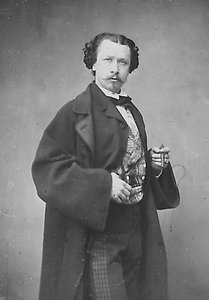
Carlos de Haes
1829 - 1898 , Belgium
작가 정보 요약
- Full Name: Carlos Sebastián Pedro Hubert de Haes
- Nationality: Spanish
- Date Of Birth: 1829
- Date Of Death: 1898
- Place Of Birth: Brussels, Belgium
- Notable Artworks: ['La Canal de Mancorbo en los Picos de Europa']
- Artistic Movement Or Style: Realism
- Artists Who Influenced This Artist: ['Joseph Quinaux']
- Artists Or Movements Influenced By This Artist:
- Jaime Morera
- Aureliano de Beruete
- Darío de Regoyos
관련 기사

고야의 걸작 25선: 스페인의 영혼을 담은 명화 컬렉션 | OriginalUniqueArt
고야의 걸작 25선을 만나보세요. 스페인 화가 Francisco Goya의 낭만주의 회화, 어두운 색조와 강렬한 감성이 담긴 명화를 OriginalUniqueArt에서 감상하세요. 고품질 유화 복제본으로 예술 작품을 소장하고 홈 데코를 완성해보세요! 지금 바로 컬렉션을 탐험하세요.

The Golden Age Reforged: Dramatic Realism & Religious Zeal in Spanish Baroque Art
Explore the dramatic world of Spanish Baroque art! Discover masters like Zurbarán & the powerful influence of religious zeal on painting techniques – a guide for collectors and enthusiasts.
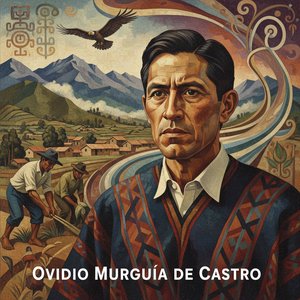
Ovidio Murguía de Castro: Ecuadorian Modernism & Social Realism's Indigenous Voice
Explore the captivating work of Ovidio Murguía de Castro, a pivotal figure in Ecuadorian Modernism. Discover his powerful Social Realist paintings and unique portrayal of Indigenous life – a compelling investment for discerning art collectors.
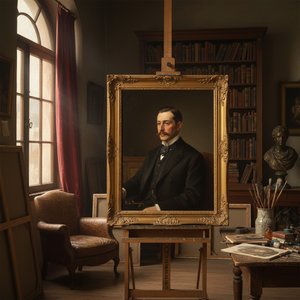
Rafael de Penagos: A Study in Spanish Portraiture & Artistic Identity
Explore the life & art of Rafael de Penagos, a leading Spanish Art Deco illustrator. Discover his iconic 'Penagos Woman', commercial work, and lasting legacy. Learn about this pivotal figure in 20th-century Spanish art history.
