

 미리보기
미리보기
 공유하기
공유하기 공유하기
공유하기
 상세 정보
상세 정보

 다운로드
다운로드
 유사 작품
유사 작품 X-레이
X-레이 슬라이드 쇼
 통계 정보
통계 정보Self-portrait


 더 보기
더 보기
수제 유화 복제품
원하는 크기와 액자로 주문 제작되는, 작가들이 직접 캔버스에 손으로 그린 유화 작품입니다. ( 프린트 판매로 전환 디지털 이미지로 전환)




P118B $10

P118H $10

P118W $10

P438Z $10

P508JH $12

P508YH $12

P805H $10

P805Z $10

P919BZ $10

P919G $10

P919XJ $10

P959ZH $10

P968JZ $12

W106C $8

W218G $10

W218JH $8

W218Y $10

W307PJ $10

W316G $10

W316PJ $8

W316Y $10

W398PJ $8

W4111J $10

W500HY $15

W500JH $15

W692G $12

W849H $8

W940BG $15

W953PJ $8




작품의 원본 비율을 유지하는 미리 설정된 크기 중에서 선택하세요.

특정 프레임이나 공간에 맞도록 직접 크기를 입력할 수 있습니다. 선택하신 크기가 원본 이미지의 비율과 일치하지 않는 경우, 작품을 자르거나 추가적인 손으로 그린 요소를 사용하여 그림을 확장합니다. 제작 시작 전 승인을 위해 디지털 목업을 보내드립니다.
화면 미리 보기는 실제 자르기 또는 확장을 반영하지 않습니다. 최종 구성은 목업을 통해서만 정확하게 확인하실 수 있습니다.
맞춤 크기 제작도 가능하지만, 원본 비율을 유지하기 위해 사전 정의된 목록에서 크기를 선택하시는 것을 권장합니다.
주문 후 OriginalUniqueArt.com 팀에서 상세 안내를 위해 고객님께 이메일을 보내드리며, 미리보기 시안을 제공해 드립니다.


 유리 옵션은 110cm 미만 크기에서만 선택 가능합니다.

Self-portrait
재현 기법
복제본 크기
-


최종 결제 금액
$ 300
A Portrait of Quiet Dignity: Carlo Maratta's 1684 Self-Portrait
This meticulously rendered graphite drawing, created in 1684 by the Roman master Carlo Maratta, offers a remarkably intimate glimpse into the mind and artistry of one of the Baroque period’s most influential figures. Measuring just 37 x 27 cm, this seemingly modest work belies the profound depth of observation and technical skill it embodies. It's not merely a likeness; it’s a carefully constructed statement about self-awareness, artistic discipline, and the enduring legacy of classical ideals within a distinctly Baroque framework.
The image presents a frontal view of Maratta himself, captured with an almost unnerving directness. The composition is strikingly focused – the entire canvas devoted to his face and upper torso, devoid of any distracting background elements. This deliberate framing intensifies the viewer’s attention, forcing a contemplative engagement with the subject's gaze. The style leans heavily towards realism, yet it’s tempered by Maratta’s commitment to classical principles, evident in the balanced proportions and restrained emotionality. Notice how geometric shapes – circles for the eyes, ovals defining the head and torso, and rectangles outlining the collar – are used to create a structured, almost architectural representation of the figure.
The Language of Line: Technique and Detail
Maratta’s mastery lies in his command of line. Predominantly linear, these lines aren't simply outlines; they’re carefully calibrated to define every contour with precision. Varying line weights – from delicate hairlines to bolder strokes delineating the clothing – create a dynamic sense of texture and volume. Hatching techniques are employed subtly yet effectively, simulating the appearance of fabric folds and the intricate strands of hair, adding a tactile quality to the image. The slight blurring effect inherent in graphite lends a softness to the overall rendering, suggesting both age and the artist’s deliberate control over the medium.
The monochromatic palette – solely shades of grey – further emphasizes the drawing's formal qualities. It’s a testament to Maratta’s ability to convey form, light, and shadow entirely through line and tone. The single, implied light source, positioned above and slightly in front of the subject, casts carefully rendered shadows that sculpt the figure’s three-dimensional form with remarkable accuracy. This attention to detail speaks volumes about Maratta's dedication to anatomical study and his understanding of how light interacts with surfaces.
Contextualizing a Baroque Classicist
Created in 1684, this self-portrait places Maratta firmly within the context of late Baroque Rome. He was a pivotal figure in transitioning from the more dramatic excesses of the High Baroque to a style characterized by greater clarity, balance, and a renewed interest in classical forms – a movement he largely spearheaded. As documented in his biography by Bellori, Maratta’s early training under Andrea Sacchi instilled within him a deep respect for intellectual rigor and harmonious design. This influence is clearly evident here; the composition feels deliberately controlled, reflecting a philosophical approach to art that prioritized reason and order over flamboyant spectacle.
Maratta's work was commissioned by prominent figures in Rome, including Popes, demonstrating his status as one of the leading artists of his time. His dedication to meticulous draftsmanship and classical principles made him highly sought after for portraits and frescoes alike. This self-portrait serves not only as a visual record of Maratta’s appearance but also as a window into his artistic philosophy – a quiet testament to the enduring power of observation, discipline, and the pursuit of beauty.
작가 약력
바로크 고전주의의 거장, 카를로 마라타
카를로 마라타(Maratti)는 17세기 이탈리아 회화계에서 중요한 위치를 차지하는 인물로, 고전주의적 미학으로 나아가는 바로크 시대의 전환기를 대표합니다. 1625년 5월 15일 교황령(현재 이탈리아) 카메라노에서 태어난 마라타는 열한 살이라는 어린 나이에 로마로 이주하며 예술가의 길을 걷기 시작했습니다. 이 이주는 그의 삶에 결정적인 변화를 가져다 주었는데, 그는 측정된 구도와 고전적 이상에 헌신했던 화가 안드레아 사키(Andrea Sacchi)의 작업실에 들어가게 됩니다. 사키의 영향은 마라타의 스타일 발전에 심오한 영향을 미쳤으며, 동시대 바로크 화가들과 차별화되는 명확성, 균형, 절제된 감정 표현에 대한 헌신을 불어넣었습니다. 이 도제 과정은 단순한 기술 연마를 넘어 지적 엄격함과 조화로운 디자인을 극적인 효과보다 우선시하는 예술 철학에 대한 몰입이었습니다. 마라타는 이러한 원칙들을 흡수했지만, 고전주의의 틀 안에만 머무르지 않고 당시 유행하던 바로크 감각과의 융합 능력을 보여주며 놀라운 재능을 발휘했습니다.로마에서의 번성한 예술 활동
마라타의 재능은 빠르게 꽃피었고, 1650년대 중반부터 중요한 의뢰를 받기 시작했습니다. 초기 작품인 <방문>(1656)은 산타 마리아 델라 파체에 그려졌으며, 빛과 움직임에 대한 뛰어난 이해와 종교적 장면을 생생한 영적인 깊이로 담아내는 능력을 보여줍니다. 그는 단순히 기존의 모델을 모방하는 것이 아니라, 우아한 인물, 섬세한 드레이프, 미묘하면서도 강력한 색채 사용으로 자신만의 독특한 비전을 불어넣었습니다. 이 시기에는 <성 아우구스티노에게 드러난 삼위일체 신비>(약 1655)가 제작되기도 했는데, 이는 고전주의적 이상과 바로크 역동성을 균형 있게 조화시키는 그의 능력을 잘 보여주는 작품입니다. 그의 명성이 높아짐에 따라 의뢰의 규모와 위상 또한 커졌습니다. 그는 로마의 저명한 가문들과 무엇보다 교황청으로부터 사랑받는 화가가 되었는데, 6대에 걸쳐 여섯 명의 교황으로부터 후원을 받았다는 사실은 그의 예술적 기량과 정치적 수완을 증명합니다. 이러한 꾸준한 교황의 지원은 재정적인 안정을 제공했을 뿐만 아니라 로마 예술 및 문화 생활의 중심에 그를 자리매김하게 했습니다.스타일의 융합과 영향
마라타의 스타일은 종종 “고전주의적 바로크”로 설명되는데, 이는 미술사적 지형 내에서 그의 독특한 위치를 요약하는 용어입니다. 라파엘에게 뿌리를 두고 있는 고전 전통에 깊이 기반을 두었지만, 그는 바로크 시대의 극적인 경향에도 영향을 받았습니다. 동시대 화가 조반니 벨로리(Giovanni Bellori)는 마라타의 예술적 접근 방식을 초기 전기에서 인지하고 기록했습니다. 이 예술가는 바로크 회화의 특징인 빛과 그림자의 극적인 사용과 고전주의자들이 선호하는 형태의 명확성과 구도 균형을 능숙하게 통합했습니다. 이러한 융합은 감정적으로 매력적이면서도 지적으로 만족스러운 작품으로 이어졌습니다. 그의 팔레트는 생동감이 넘치지만, 종종 절제되어 대담한 대비보다 조화로운 색상 관계를 우선시했습니다. 그는 종교적 이야기를 묘사하는 데 탁월했으며, 경건함과 영적인 강렬함을 불어넣었습니다. 피티 궁전(Florence)에 소장된 <성 필립 네리에게 나타난 성모 마리아>(약 1675)는 이러한 주제를 우아함과 심오한 감정적 공명으로 해석하는 그의 능력을 보여주는 대표적인 예입니다.회화 외의 기여: 복원과 유산
마라타의 업적은 새로운 작품을 창작하는 것 이상으로, 로마 예술 유산을 보존하는 데에도 기여했습니다. 1702-1703년, 인노첸시오 11세는 그를 *surintendent des chambres du vatican*에 임명하고 바티칸 스탄차의 라파엘 프레스코 복원 작업을 맡겼습니다. 이 임무는 단순한 기술적 복원을 넘어 이탈리아 최고의 예술 보물 중 하나에 대한 존경심을 표현하는 행위였으며, 고전 예술의 중요성을 이해하는 거장에게 위임된 것이었습니다. 마라타는 1713년 12월 15일 로마에서 사망할 때까지 끊임없이 작품 활동을 이어갔으며, 방대하고 영향력 있는 유산을 남겼습니다. 그의 고전주의적 기법으로 완성된 후기 바로크 양식은 18세기에도 지속적으로 영향을 미쳤으며, 명확성, 균형, 조화로운 구성을 강조하며 여러 세대의 예술가들에게 영감을 주었습니다. 오늘날 그의 그림은 OriginalUniqueArt.com과 같은 플랫폼에 소개되어 그의 예술적 비전이 앞으로도 오랫동안 관객들을 사로잡고 고취시키도록 보장하고 있습니다.주요 작품 및 지속적인 영향
- 아폴론, 다프네를 추격하다: 움직임과 감정을 표현하는 마라타의 능력을 보여주는 역동적인 신화적 묘사입니다.
- 화관을 쓴 동방박사의 경배: 색채와 형태에 대한 그의 뛰어난 이해를 보여주는 풍부한 구성을 담고 있습니다.
- 목자들의 경배(1690): 신성한 상징과 역동적인 배열로 유명한 바로크 걸작입니다.
- 방문: 빛과 움직임에 대한 마라타의 초기 재능을 보여주는 종교적 맥락에서의 작품입니다.
- 성 아우구스티노에게 드러난 삼위일체 신비: 고전주의적 이상과 바로크 요소를 결합하는 그의 능력을 잘 보여주는 작품입니다.

카를로 마라타
1625 - 1713
주요 정보
- Artistic Movement Or Style: 바로크 고전주의
- Artists Or Movements Influenced By This Artist: ['18세기 미술']
- Artists Who Influenced This Artist: ['안드레아 사키']
- Date Of Birth: 1625년 5월 15일
- Date Of Death: 1713년
- Full Name: 카를로 마라타
- Nationality: 이탈리아
- Notable Artworks (List Of Titles):
- 성모영현
- 삼위일체 현현
- 필립 네리 성인
- 아폴론과 다프네
- 박사들의 경배
- 목자들의 경배
- Place Of Birth (City And Country): 이탈리아 카메라노
관련 기사 더 보기
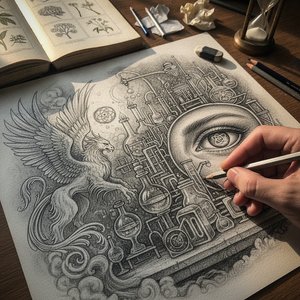
The Alchemy of Graphite: An Expert Guide to Mastering Detail and Depth in Pencil Sketching
Unlock the secrets of graphite sketching with our expert guide for art students. Learn to master pencil grades, create realistic depth, and capture intricate textures through professional techniques designed to elevate your observational drawing skills.
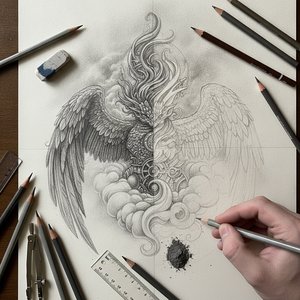
The Alchemy of Carbon: Mastering Depth, Texture, and Precision in the Art of Graphite Drawing
Discover the sophisticated mastery of graphite drawing. Explore expert techniques for achieving profound depth, intricate texture, and hyper-realistic detail through the alchemy of carbon, curated for the discerning art enthusiast and professional collector.
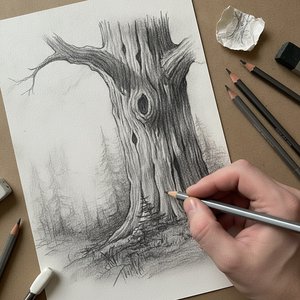
The Power of Graphite: Mastering Depth, Texture, and Detail in the Art of Pencil Drawing
Explore the profound artistry of graphite drawing. Discover professional techniques for mastering depth, texture, and detail through a lens of art history, from classical sketches to modern masterpieces. Elevate your understanding of the pencil medium with our expert guide.
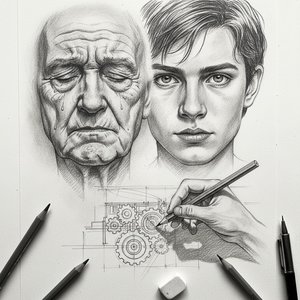
The Nuances of Graphite: Exploring Emotional Depth & Technical Mastery in Pencil Drawing
Explore the captivating world of graphite drawing! Discover its rich history, master essential techniques like chiaroscuro, and learn how artists evoke emotion through this timeless medium. Expert insights for art enthusiasts.

Baroque Classicism: The Grandeur of Order and Drama in 17th-Century Art History
Explore the profound elegance of Baroque Classicism. Discover how 17th-century masters synthesized dramatic emotion with classical order through the lens of the Counter-Reformation and the works of legends like Carlo Maratta and Andrea Sacchi.