
 실제 크기로 보기
 보내기
보내기 공유하기
공유하기
 상세 보기
상세 보기 가이드 보기

 이미지 다운로드
 유사 작품 더 보기
 X-레이
X-레이 슬라이드 쇼 보기
 통계 정보
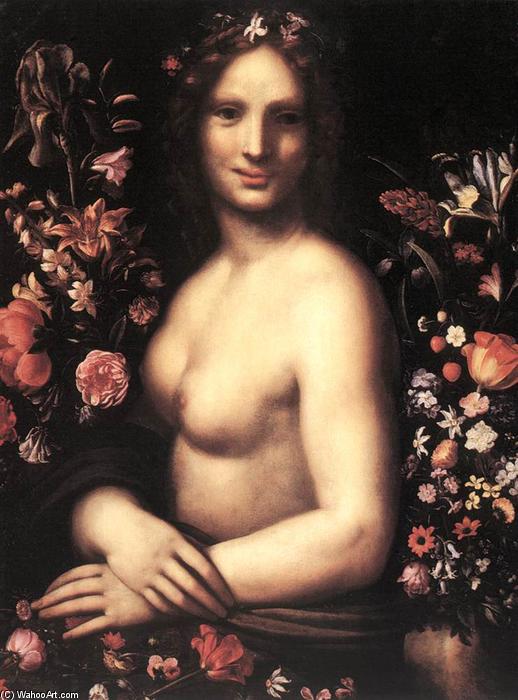
통계 정보Flora


 상세 보기
상세 보기
지클레 / 아트 프린트
빠른 제작과 다양한 마감 옵션을 선택할 수 있는 박물관 수준의 지클레이 및 캔버스 프린트. ( 수작업 채색 복제본 주문하기 디지털 이미지 판매 채널로 전환)




































작품의 원본 비율을 그대로 유지하는 프리셋 사이즈 중에서 선택해 보세요.

특정 프레임이나 공간에 맞춰 직접 치수를 입력하실 수 있습니다. 선택하신 사이즈가 원본 이미지의 비율과 일치하지 않을 경우, 작품을 크롭(자르기)하거나 이미지를 대칭 또는 단색 채우기로 확장하여 제작합니다. 제작 시작 전, 최종 확인을 위해 디지털 목업이 전송됩니다.
화면상의 미리보기는 실제 크롭이나 확장 상태를 반영하지 않으므로, 최종 구도는 오직 목업을 통해서만 정확하게 확인하실 수 있습니다.
맞춤 사이즈 제작도 가능하지만, 원본 비율을 유지하기 위해서는 사전 정의된 목록에서 치수를 선택하시는 것을 권장합니다.


 유리 옵션은 110cm 미만 크기에서만 선택 가능합니다.

Flora
지클레 / 아트 프린트
복제본 규격
-


총 결제 금액
$ 80
작가 소개
Carlo Antonio Procaccini: A Milanese Master of Still Life and Landscape
Born in Bologna in 1555, Carlo Antonio Procaccini emerged as a significant figure within the late-Renaissance artistic landscape, though his legacy remains somewhat understated compared to some of his contemporaries. He was part of a prolific family of artists – son of Ercole, brother to Camillo and Giulio Cesare the Elder, and father to Ercole the Younger – each contributing to the vibrant art scene of Bologna and Milan. Initially trained by his father, Procaccini quickly distinguished himself not through grand historical narratives or religious frescoes, but through a keen eye for detail and an exceptional ability to capture the ephemeral beauty of nature in both landscapes and still lifes. While his family was known for more traditional artistic pursuits, Carlo Antonio carved out his own niche, demonstrating a particular aptitude for depicting floral arrangements, luscious fruits, and serene landscapes that would define his career.
From Bologna to Milan: Developing a Unique Artistic Voice
Procaccini’s early years were rooted in the artistic traditions of Bologna, but it was his relocation to Milan around 1587 that truly shaped his distinctive style. This move coincided with a period of significant artistic flourishing in Milan, fueled by patronage from wealthy families like the Visconti Borromeo. It was here that Procaccini found fertile ground for his talents, particularly excelling in still life painting – a genre gaining increasing popularity across Europe at the time. Unlike some of his contemporaries who focused on dramatic or allegorical subjects, Procaccini’s still lifes possessed a quiet elegance and meticulous realism. He masterfully rendered textures—the velvety sheen of ripe peaches, the delicate translucence of petals, the rough bark of fruit trees—creating compositions that were both visually stunning and deeply evocative of sensory experience. His landscapes, too, while less numerous than his still lifes, demonstrated a similar attention to detail and a preference for tranquil scenes, often imbued with a subtle sense of spirituality.
Influences and Artistic Development
Procaccini’s artistic development was undoubtedly influenced by the broader trends of the late Renaissance. The meticulous observation of nature championed by artists like Leonardo da Vinci and Albrecht Dürer resonated deeply within his work. However, Procaccini also demonstrated a clear affinity for Flemish painting, particularly the rich color palettes and detailed rendering of textures characteristic of Northern European masters. This influence is evident in the abundance of detail and the almost tangible quality of his floral arrangements. While he maintained a connection to the Mannerist style prevalent during his early training, Procaccini gradually moved towards a more naturalistic approach, prioritizing accurate representation over stylized forms. His landscapes, often featuring classical ruins or idyllic countryside scenes, reveal an appreciation for atmospheric perspective and a desire to capture the fleeting effects of light and shadow.
A Prolific Artist with a Lasting Legacy
Contemporary accounts, notably from Luigi Lanzi, attest to Procaccini’s prolific output and the high demand for his paintings among collectors. However, despite this recognition during his lifetime, relatively few of his works have survived or been definitively attributed to him, making it challenging to fully assess the scope of his artistic achievement. The two signed and dated landscapes from 1616 offer invaluable insights into his style and demonstrate a remarkable ability to integrate narrative elements within serene natural settings. Though less widely known today than some of his more celebrated contemporaries, Carlo Antonio Procaccini’s contribution to late-Renaissance art should not be underestimated. His exquisite still lifes and tranquil landscapes stand as testaments to his keen observation skills, technical mastery, and enduring appreciation for the beauty of the natural world. He died in Milan in 1630, leaving behind a legacy that continues to captivate viewers with its quiet elegance and meticulous detail.
The Procaccini Family: A Dynasty of Artistic Talent
To fully understand Carlo Antonio’s place within art history, it's essential to consider the broader context of his family. The Procaccinis were a dynasty of artists who significantly impacted the artistic landscape of Bologna and Milan for over a century. Ercole Procaccini the Elder, Carlo Antonio’s father, established the family’s reputation as skilled painters. His sons, Camillo, Giulio Cesare, and Carlo Antonio, each pursued successful artistic careers, contributing to various genres including frescoes, portraits, and religious paintings. Ercole Procaccini the Younger, Carlo Antonio’s son, continued the family tradition, further solidifying their presence in the art world. This familial network fostered a collaborative environment where techniques and influences were shared across generations, resulting in a distinctive artistic style that characterized the Procaccini legacy.

carlo antonio procaccini
1555 - 1630 , Italy
작가 정보 요약
- Artistic Movement Or Style: Late-Renaissance
- Artists Who Influenced This Artist: ['Ercole Procaccini the Elder']
- Date Of Birth: 1555
- Date Of Death: 1630
- Full Name: Carlo Antonio Procaccini
- Nationality: Italian
- Notable Artworks: ['Flora']
- Place Of Birth: Bologna, Italy