

 실제 크기로 보기
 보내기
보내기 공유하기
공유하기
 상세 보기
상세 보기 가이드 보기

 이미지 다운로드
 유사 작품 더 보기
 X-레이
X-레이 슬라이드 쇼 보기
 통계 정보
통계 정보The Poor Poet


 상세 보기
상세 보기
지클레 / 아트 프린트
빠른 제작과 다양한 마감 옵션을 선택할 수 있는 박물관 수준의 지클레이 및 캔버스 프린트. ( 수작업 채색 복제본 주문하기 디지털 이미지 판매 채널로 전환)




P118B $10

P118H $10

P118W $10

P438Z $10

P508JH $12

P508YH $12

P805H $10

P805Z $10

P919BZ $10

P919G $10

P919XJ $10

P959ZH $10

P968JZ $12

W106C $8

W218G $10

W218JH $8

W218Y $10

W307PJ $10

W316G $10

W316PJ $8

W316Y $10

W398PJ $8

W4111J $10

W500HY $15

W500JH $15

W692G $12

W849H $8

W940BG $15

W953PJ $8




작품의 원본 비율을 그대로 유지하는 프리셋 사이즈 중에서 선택해 보세요.

특정 프레임이나 공간에 맞춰 직접 치수를 입력하실 수 있습니다. 선택하신 사이즈가 원본 이미지의 비율과 일치하지 않을 경우, 작품을 크롭(자르기)하거나 이미지를 대칭 또는 단색 채우기로 확장하여 제작합니다. 제작 시작 전, 최종 확인을 위해 디지털 목업이 전송됩니다.
화면상의 미리보기는 실제 크롭이나 확장 상태를 반영하지 않으므로, 최종 구도는 오직 목업을 통해서만 정확하게 확인하실 수 있습니다.
맞춤 사이즈 제작도 가능하지만, 원본 비율을 유지하기 위해서는 사전 정의된 목록에서 치수를 선택하시는 것을 권장합니다.


 유리 옵션은 110cm 미만 크기에서만 선택 가능합니다.

The Poor Poet
지클레 / 아트 프린트
복제본 규격
-


총 결제 금액
$ 80
A Solitary Sanctuary of Thought
In the quiet corners of nineteenth-century German life, there existed a profound beauty in the mundane, a sentiment captured with unparalleled tenderness by Carl Spitzweg in his masterpiece, The Poor Poet. This evocative scene invites the viewer into a private, cluttered sanctuary where time seems to have slowed to the rhythm of turning pages. At the heart of the composition sits a solitary figure, an artist lost in the depths of literature, sheltered from the world by nothing more than an umbrella—a whimsical and poignant symbol of his humble circumstances. The room is a lived-in landscape of intellectual pursuit; books are scattered with a charming disarray across the floor and surfaces, suggesting a mind far too preoccupied with lofty ideas to concern itself with the tidiness of a physical space. A small cat lingers nearby, acting as a silent, furry companion to the poet’s solitude, adding a layer of domestic warmth to an otherwise melancholic setting.
The atmosphere of the painting is thick with the essence of the Biedermeier era, a period characterized by a retreat into the private sphere and an appreciation for the small, intimate joys of middle-class existence. Spitzweg, a master of this genre, utilizes a delicate technique to weave together realism and romanticism. Through meticulous brushwork, he renders the textures of paper, wood, and fabric with such precision that one can almost smell the scent of old parchment and dust. While the description of certain versions may suggest a monochromatic or muted palette, the true power of the work lies in its tonal depth—the way light filters into the room to highlight the poet's isolation while casting soft shadows that embrace the corners of his small world.
Symbolism and the Romantic Spirit
Beyond its surface charm, The Poor Poet serves as a profound meditation on the dignity of the creative spirit amidst poverty. The umbrella, held over the seated man, is far more than a mere object; it is a metaphorical shield against the harsh realities of the external world, allowing the poet to maintain his internal sanctuary of imagination. This juxtaposition of physical lack and intellectual abundance resonates deeply with collectors of fine art who value themes of resilience and introspection. The scattered books represent not just clutter, but the vast, unmapped territories of the human mind that the poet inhabable even within the confines of a cramped room.
For the interior designer or the discerning art lover, this piece offers an unparalleled emotional anchor for a room. It brings a sense of quietude and intellectual gravity to a space, making it an ideal centerpiece for a library, a study, or a sophisticated sitting room. A high-quality reproduction of this work does not merely decorate a wall; it introduces a narrative of contemplative peace. To hang The Poor Poet is to invite a spirit of gentle observation and a reverence for the quiet moments of life into one's home, reminding all who gaze upon it that true wealth is often found in the richness of one's thoughts and the companionship of a good book.
작가 소개
삶에 대한 부드러운 관찰: 칼 스피츠베크의 세계
1808년 2월 5일 바이에른 지방의 작은 마을 운터프파펜호펜 근처에서 태어난 칼 스피츠베크의 예술적 명성은 평범하지 않은 길을 걸었습니다. 처음에는 아버지의 뜻에 따라 약제사 견습생으로 실용적인 삶을 살 운명이었지만, 병과 회복 과정에서 잠재된 그림에 대한 열정이 피어났습니다. 그러나 이것은 갑작스러운 전환이 아니었고, 플랑드르 거장들의 작품을 모방하며 세밀한 디테일과 분위기 깊이를 흡수하면서 점진적으로 펼쳐진 것이었습니다. 초기 몇 년 동안은 아버지의 계획에 충실했지만, 약학 공부 속에서도 창조적인 표현에 대한 갈망을 암시하는 예술적 성향이 지속되었습니다. 그의 가족 배경은 성공한 상인인 아버지 시몬 스피츠베크와 부유한 가정 출신의 어머니 프란치스카 슈무처가 제공하는 안정된 기반이었지만, 아들의 예술적 재능을 처음에는 완전히 이해하지 못했을 수도 있습니다. 결국 그가 물려받은 유산은 1833년에 그림에 전념할 수 있는 경제적인 자유를 주었습니다.팔레트에서 약국으로: 독특한 예술적 목소리 개발
스피츠베크의 자발적인 접근 방식은 그의 독특한 스타일을 형성하는 데 중요했습니다. 그는 학문적 제약이나 장대한 역사 회화의 유행에 얽매이지 않고, 대신 평범한 사람들의 일상생활에 집중하며 부드러운 유머와 날카로운 관찰력을 발휘하여 자신만의 길을 개척했습니다. 프라하, 베네치아, 파리, 런던, 벨기에를 여행하면서 단순한 관광이 아니라 빛, 색채, 인간의 특성을 몰입적으로 연구하는 것이었습니다. 이러한 여정은 그의 예술적 지평을 넓혔지만, 친밀함, 가정 생활, 중산층 삶에 초점을 맞춘 비더마이어 미학에 확고하게 뿌리를 내렸습니다. 그는 니콜라스 베르헴과 곤살레스 코케스와 같은 네덜란드 황금 시대 화가들의 영향을 흡수했는데, 이는 그의 세심한 디테일과 따뜻하고 흙빛의 팔레트에서 분명히 드러납니다. 그러나 스피츠베크는 단순히 모방하는 것이 아니라 사실주의, 환상, 미묘한 풍자의 조화를 창조하여 자신의 시대 정신을 포착했습니다. 초기에는 풍자 잡지에 기여하면서 복잡한 관찰력을 간결하고 시각적으로 매력적인 이야기로 증류하는 능력을 연마했습니다.비더마이어의 매력: 주제와 기술
스피츠베크의 그림은 19세기 독일 생활을 엿볼 수 있는 창문으로, 사랑스러운 매력과 함께 제공됩니다. 그는 책에 몰두한 학자, 불안감에 사로잡힌 환자, 추구에 몰두한 나비 사냥꾼 등 기발한 인물을 묘사하는 데 탁월했습니다. 이것들은 조롱하기 위한 캐리커처가 아니라 인간 본성의 특성과 취약성을 기념하는 애정 어린 초상화였습니다. 아마도 그의 가장 상징적인 작품인 <가난한 시인>은 고독과 지적 열정을 섬세하게 표현한 것으로, 뛰어난 감도로 렌더링되었습니다. 그의 기술은 세심한 디테일, 섬세한 붓놀림, 분위기와 기분을 조성하기 위한 빛과 그림자의 능숙한 사용이 특징입니다. 그는 극적인 이야기나 과장된 몸짓에 관심이 없었고, 대신 평범한 장면에서 아름다움과 의미를 발견하여 일상생활을 예술의 수준으로 끌어올렸습니다. 그의 그림은 현실의 단순한 표현이 아니라 그의 부드러운 재치와 공감적인 이해가 담긴 해석입니다.유산과 지속적인 매력
칼 스피츠베크의 영향력은 19세기 독일 회화 영역을 넘어 확장됩니다. 종종 주류 미술사적 서술에서 간과되지만, 그의 작품은 여러 세대의 예술가와 관객에게 공감을 불러일으켰습니다. 그는 유머와 연민으로 일상생활의 본질을 포착하는 능력이 오늘날에도 계속해서 관객을 사로잡고 있습니다. <나비 사냥꾼> 및 <수녀원 학교 소풍>과 같은 그림의 지속적인 인기는 시대를 초월한 매력을 증명합니다. 스피츠베크의 유산은 후대 예술가, 특히 <가난한 시인>에 대한 존경을 표한 노먼 록웰의 작품에서도 드러납니다. 그의 그림은 독일 뮌헨의 샤크갤러리(Schackgalerie)와 오스트리아 린츠의 볼프강-굴리트 박물관(Wolfgang-gurlitt-museum)과 같은 저명한 박물관 및 컬렉션에 소장되어 있어 그의 예술적 비전이 앞으로도 계속해서 영감을 주고 즐거움을 선사할 것입니다. 그는 1885년 9월 23일에 세상을 떠났고, 그가 남긴 풍부한 작품 – 1,500점 이상의 그림과 드로잉 – 은 그의 독특한 재능과 예술 세계에 대한 지속적인 기여를 증명합니다.
카를 슈피츠베크
1808 - 1885 , 독일
작가 정보 요약
- Artistic Movement Or Style: 비더마이어, 낭만주의
- Artists Or Movements Influenced By This Artist: ['노먼 록웰']
- Artists Who Influenced This Artist: ['플랑드르 거장']
- Date Of Birth: 1808년 2월 5일
- Date Of Death: 1885년 9월 23일
- Full Name: 칼 슈피츠베크
- Nationality: 독일
- Notable Artworks (List Of Titles):
- 가난한 시인
- 나비 사냥꾼
- 신경쇠약증 환자
- Place Of Birth (City And Country): 독일 운터프파펜호펜
관련 기사

Biedermeier: Art, Society & Intimacy in Restoration Europe
Explore the world of Biedermeier art & culture! Discover the history, aesthetic principles, and lasting influence of this fascinating European movement. Expert insights & beautiful reproductions at OriginalUniqueArt.

Caspar David Friedrich: Romanticism's Master of Landscape & the Sublimity of Inner Experience
Explore the profound landscapes of Caspar David Friedrich, a master of German Romanticism. Discover the symbolism, themes & enduring influence of this iconic artist. A deep dive into his life and work.

Biedermeier Style: The Elegant Art of Comfort, Simplicity, and Bourgeois Sophistication
Discover the refined elegance of Biedermeier style. Explore how this 19th-century movement blended simplicity with comfort, shaping the art and design of the middle class through Romanticism and functional beauty. An expert guide for classic art enthusiasts.

German Expressionism's 10 Defining Masterpieces | Art for Your Home
Explore 10 defining German Expressionism masterpieces – from Munch's 'The Scream' to Kandinsky’s abstracts. Discover the artists, stories & bold colors behind this powerful art movement. Find museum-quality reproductions at OriginalUniqueArt.com.
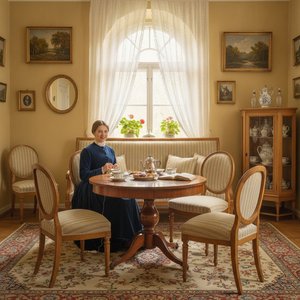
Biedermeier Style: The Art of Comfort, Elegance, and Middle-Class Sophistication in 19th-Century Europe
Explore the Biedermeier style, a 19th-century era of elegance and domestic comfort. Discover how post-Napoleonic social shifts shaped European art, furniture, and middle-class sophistication through an expert historical lens.


