

 실제 크기로 보기
 보내기
보내기 공유하기
공유하기
 상세 보기
상세 보기 가이드 보기

 이미지 다운로드
 유사 작품 더 보기
 X-레이
X-레이 슬라이드 쇼 보기
 통계 정보
통계 정보Title in Swedish: Midvinterblot
 Acrylic On Canvas
- WallArt
- Art Nouveau
 1915
1915- 19th Century
 13600.0 x 6400.0 cm
 국립 미술관
 상세 보기
상세 보기
핸드메이드 유화 복제화
작가가 직접 캔버스에 손으로 그린 유화 작품으로, 원하는 크기와 액자로 맞춤 제작해 드립니다. ( 프린트 판매로 전환 디지털 이미지 판매 채널로 전환)




P118B ₩10

P118H ₩10

P118W ₩10

P438Z ₩10

P508JH ₩12

P508YH ₩12

P805H ₩10

P805Z ₩10

P919BZ ₩10

P919G ₩10

P919XJ ₩10

P959ZH ₩10

P968JZ ₩12

W106C ₩8

W218G ₩10

W218JH ₩8

W218Y ₩10

W307PJ ₩10

W316G ₩10

W316PJ ₩8

W316Y ₩10

W398PJ ₩8

W4111J ₩10

W500HY ₩15

W500JH ₩15

W692G ₩12

W849H ₩8

W940BG ₩15

W953PJ ₩8




작품의 원본 비율을 그대로 유지하는 프리셋 사이즈 중에서 선택해 보세요.

액자나 벽면 크기에 맞춰 필요한 가로와 세로 길이를 입력해 주세요. 본 작품은 수작업으로 제작되므로, 요청하신 비율에 따라 작가가 그림의 가장자리를 조금 더 넓게 그리거나 일부를 조정하여 작업할 수 있습니다. 작업 시작 전, 최종 확인을 위해 디지털 목업 이미지를 보내드립니다. 이 페이지에 표시된 이미지는 실제 결과물과 다를 수 있으며, 오직 목업 이미지만이 정확한 결과물을 보여줍니다.
주문 완료 후 OriginalUniqueArt.com 팀에서 상세 안내를 위해 고객님께 이메일을 보내드리며, 미리보기 시안을 함께 제공해 드립니다.


 유리 옵션은 110cm 미만 크기에서만 선택 가능합니다.

Title in Swedish: Midvinterblot
재현 매체
복제본 규격
-


총 결제 금액
₩ 410582
A Frozen Rite: Unveiling Carl Larsson’s ‘Midvinterblot’
Carl Larsson's “Midvinterblot,” completed in 1915, isn’t merely a painting; it’s a visceral plunge into the heart of Swedish mythology and a potent commentary on artistic convention. Measuring an imposing 6.5 by 13.5 meters, this mural dominates any space it graces, demanding attention with its scale and arresting imagery. Initially rejected by the Nationalmuseum due to historical inaccuracies and perceived offense – reflecting anxieties about the shifting landscape of modern art – “Midvinterblot” has since been recognized as a masterpiece of Art Nouveau influence, a dramatic fusion of ancient ritual and evocative symbolism.
The scene depicts a chilling tableau: King Domalde, stripped bare and dragged onto a gilded sled, awaits sacrifice before the towering temple of Uppsala. The air crackles with an unsettling energy, conveyed through Larsson’s masterful use of color and light. Deep blues and purples dominate the palette, creating a sense of foreboding and winter's grip, while flashes of gold highlight the sacrificial altar and the opulent details of the temple. The figures surrounding Domalde – warriors armed to the teeth, ecstatic women dancing in a frenzy, and a priest concealing his blade – are rendered with an almost sculptural quality, their forms imbued with both power and vulnerability.
Art Nouveau’s Dramatic Embrace
Larsson's choice of subject matter—a pagan sacrifice rooted in the Eddas of Snorri Sturluson—was deliberately provocative. He wasn’t simply recreating a historical event; he was tapping into a primal, almost unsettling, narrative that resonated deeply with Scandinavian folklore and anxieties about societal change. The painting is undeniably infused with Art Nouveau principles: flowing lines, stylized forms, and an emphasis on decorative elements are evident throughout the composition. The intricate detailing of the temple architecture, the swirling patterns in the women’s garments, and the serpentine bronze wind instruments all contribute to this distinctly artistic style.
Technically, Larsson employed a layered approach, utilizing both oil paint and tempera on canvas. The large-scale mural necessitated careful planning and execution, with meticulous attention paid to perspective and detail. The use of gold leaf adds an extraordinary richness and luminosity to the work, further emphasizing the sacrificial ritual’s grandeur and highlighting the temple's imposing presence. It is a testament to Larsson’s skill that he manages to convey both the brutality of the scene and its underlying spiritual significance.
Symbolism and Emotional Resonance
Beyond its aesthetic qualities, “Midvinterblot” is rich in symbolic meaning. The sacrifice itself represents a desperate plea for divine intervention—a recognition of the gods’ capricious nature and a willingness to offer tribute in exchange for protection from impending hardship. Domalde's vulnerability underscores the precariousness of human existence, while the ecstatic dance of the women suggests a potent connection between the earthly realm and the supernatural. The painting speaks to themes of faith, sacrifice, and the enduring power of myth.
More than just a historical depiction, “Midvinterblot” evokes a profound sense of unease and wonder. It’s a haunting meditation on mortality, tradition, and the human need for meaning in a world often marked by uncertainty. The painting's enduring appeal lies not only in its technical brilliance but also in its ability to tap into our deepest emotions and connect us with the timeless narratives that have shaped cultures across millennia. Reproductions of this iconic artwork offer a chance to bring this dramatic scene into your own space, inviting contemplation and sparking conversation.
A Legacy Preserved
Following its initial rejection, “Midvinterblot” was eventually exhibited at the Museum of National Antiquities in 1983-84. The Nationalmuseum ultimately acquired the painting in 1984, recognizing its significance as a cornerstone of Swedish art history. Today, it remains a celebrated work, housed within the museum’s collection and serving as a powerful reminder of Carl Larsson's artistic vision and his willingness to challenge conventional norms.
질의응답
카를 레이의 "Title in Swedish: Midvinterblot"은(는) 어떤 공간에 추천하시나요?
"Title in Swedish: Midvinterblot"의 복제본은 Living Room에 잘 어울립니다.
카를 레이의 "Title in Swedish: Midvinterblot"의 채도와 강도는 어떠한가요?
"Title in Swedish: Midvinterblot"의 채도는 Subtle Color이며, 색채 강도는 Balanced입니다.
"Title in Swedish: Midvinterblot"은(는) 빛과 어둠의 균형을 어떻게 맞추고 있나요?
카를 레이의 "Title in Swedish: Midvinterblot"의 밝기는 shadow로 기록되었으며, 휘도는 Soft Shadow입니다.
작가 소개
A Life Etched in Light: The World of Carl Larsson
Carl Larsson, a name synonymous with idyllic Swedish domesticity and artistic innovation, emerged from humble beginnings to become one of Scandinavia’s most beloved painters. Born in Stockholm's Old Town in 1853, his early life was far removed from the serene scenes he would later immortalize on canvas. Poverty cast a long shadow over his childhood; his parents struggled financially, and tales of hardship and instability permeated his formative years. Yet, even amidst these difficulties, a spark of artistic talent ignited within young Carl, nurtured by a perceptive teacher who recognized his potential and encouraged him to apply to the Royal Swedish Academy of Arts at just thirteen years old. This marked the beginning of a journey that would not only transform his own life but also redefine perceptions of home and family in Sweden and beyond. His initial experiences at the academy were fraught with insecurity, a sense of being an outsider amongst more privileged peers, but he persevered, finding solace and confidence within the vibrant student community.From Academic Training to Artistic Awakening
Larsson’s artistic development was marked by periods of experimentation and searching for his unique voice. After completing his formal training, he spent several years illustrating books, magazines, and newspapers – a practical necessity but one that didn't fully satisfy his creative aspirations. A pivotal moment arrived with his move to Grez-sur-Loing, an artists’ colony near Paris in 1882. It was here, amidst the camaraderie of fellow Scandinavian artists, that he met Karin Bergöö, who would become his wife and muse. More importantly, it was at Grez that Larsson abandoned oil painting in favor of watercolors – a decision that proved transformative. Watercolor allowed him to capture light and atmosphere with an unprecedented delicacy, perfectly suited to depicting the intimate scenes that would define his oeuvre. This shift wasn’t merely technical; it reflected a growing desire to portray everyday life with honesty and warmth, moving away from the grand historical narratives favored by many of his contemporaries. The influence of Art Nouveau is subtly present in his flowing lines and organic forms, while echoes of the Arts and Crafts movement resonate in his emphasis on handcrafted beauty and the celebration of domesticity.The Lilla Hyttnäs Idyll: A Home as Artwork
The year 1888 witnessed another turning point when Karin’s father gifted the couple a small house named Lilla Hyttnäs in Sundborn, Dalarna. This wasn't just a home; it became a living work of art, meticulously decorated and furnished by Carl and Karin themselves. The interiors, bathed in soft light and filled with handcrafted details, served as both inspiration and subject matter for Larsson’s most celebrated paintings. His depictions of family life – children playing, meals shared, moments of quiet intimacy – resonated deeply with a public yearning for warmth and authenticity. These weren't idealized portrayals; they were honest glimpses into the joys and challenges of raising a large family. Cosy Corner, Matts Bergom Larsson, and countless other watercolors captured the essence of Swedish *hemtrevnad* – a concept encompassing coziness, comfort, and a sense of belonging. The house itself became famous through reproductions of his paintings, influencing interior design trends for generations and shaping the popular image of the ideal Swedish home.Beyond Domestic Bliss: Monumental Works and Lasting Legacy
While Larsson is best known for his intimate domestic scenes, it’s important to remember that he considered his monumental works – frescoes in public buildings – to be his most significant artistic achievement. Midvinterblot (Midwinter Sacrifice), a large-scale painting depicting an ancient Norse religious ceremony, stands as a testament to his ambition and technical skill. Though initially rejected by the National Museum in Stockholm, it eventually found its rightful place within its walls, becoming a symbol of Swedish national identity. However, Larsson’s later years were marred by bouts of depression and ill health. He struggled with feelings of artistic frustration and disappointment, particularly regarding the reception of Midvinterblot. Despite these personal struggles, his influence continued to grow. His work offered a powerful counterpoint to the prevailing academic styles of the time, championing simplicity, honesty, and the beauty of everyday life. He captured not just *what* life looked like, but *how it felt* – the simple joys, quiet moments, and unwavering love that define the essence of home. His paintings are not merely depictions of a bygone era; they are timeless celebrations of family, home, and the enduring power of light and love.A Continuing Influence
Carl Larsson’s legacy extends far beyond the realm of art history. He remains a cultural icon in Sweden, his paintings instantly recognizable and deeply ingrained in the national consciousness. His work continues to inspire artists, designers, and anyone seeking to create spaces that are both beautiful and inviting. The enduring appeal of his paintings lies in their ability to evoke a sense of warmth, nostalgia, and genuine human connection. He captured not just *what* life looked like, but *how it felt* – the simple joys, quiet moments, and unwavering love that define the essence of home. His influence can be seen in countless contemporary interiors, illustrating his lasting impact on our understanding of domestic space and the art of creating a haven from the world. His paintings are not merely depictions of a bygone era; they are timeless celebrations of family, home, and the enduring power of light and love.
카를 레이
1853 - 1919 , 스웨덴
작가 정보 요약
- Artistic Movement Or Style: 르네상스 미술
- Artists Who Influenced This Artist: ['프레데릭 카를 프리츠케']
- Date Of Birth: 5월 28일
- Date Of Death: 1월 22일
- Full Name: 카를 레이슨
- Nationality: 스웨덴 국적
- Notable Artworks:
- 미드윈터블롯
- 코지 코너
- Place Of Birth: 스톡홀름 스웨덴
관련 기사
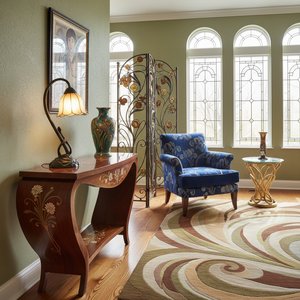
아르누보를 빛낸 10대 걸작: 예술과 인테리어의 조화로운 혁신
아르누보 미술의 정수를 담은 10대 걸작을 만나보세요! 무하, 클림트 등 거장의 작품부터 유기적 곡선과 자연주의 색감이 돋보이는 예술 세계를 탐험하고, OriginalUniqueArt.com에서 고품질 아트 프린트를 찾아 당신의 공간에 예술적인 영감을 더하세요.
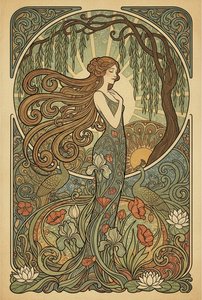
The Flowing Line & Flourishing Form: Exploring Art Nouveau's Aesthetic Legacy
Explore the captivating world of Art Nouveau! Discover its origins, key artists like Horta & Mucha, regional styles, innovative techniques, and lasting influence on architecture & design. A comprehensive guide for art enthusiasts.

Timeless Elegance: A Curated Guide to the Flowing Beauty of Art Nouveau Masterpieces
Discover the enchanting world of Art Nouveau. Explore the flowing lines of Alphonse Mucha and learn how to integrate these timeless, organic masterpieces into your collection with expert guidance on fine art appreciation and preservation.
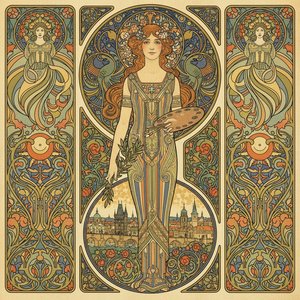
Alphonse Mucha: A Comprehensive Exploration of Art Nouveau's Master of Decorative Symbolism
Explore the life & art of Alphonse Mucha, master of Art Nouveau! Discover his iconic posters, stunning illustrations, and the monumental Slav Epic. A comprehensive guide for collectors & enthusiasts.
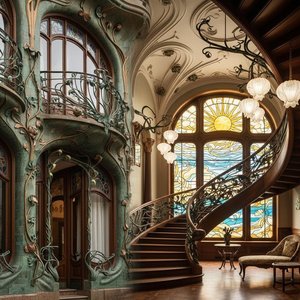
Art Nouveau: The Elegant Fusion of Nature and Design – A Journey Through Organic Sophistication
Discover the exquisite world of Art Nouveau. Explore the elegant fusion of nature and design through architectural masterpieces, organic forms, and the legendary masters of the Belle Époque. Immerse yourself in a journey of timeless sophistication and ornamental beauty.