- 홈

- 유화 복제화
- carl buchheister
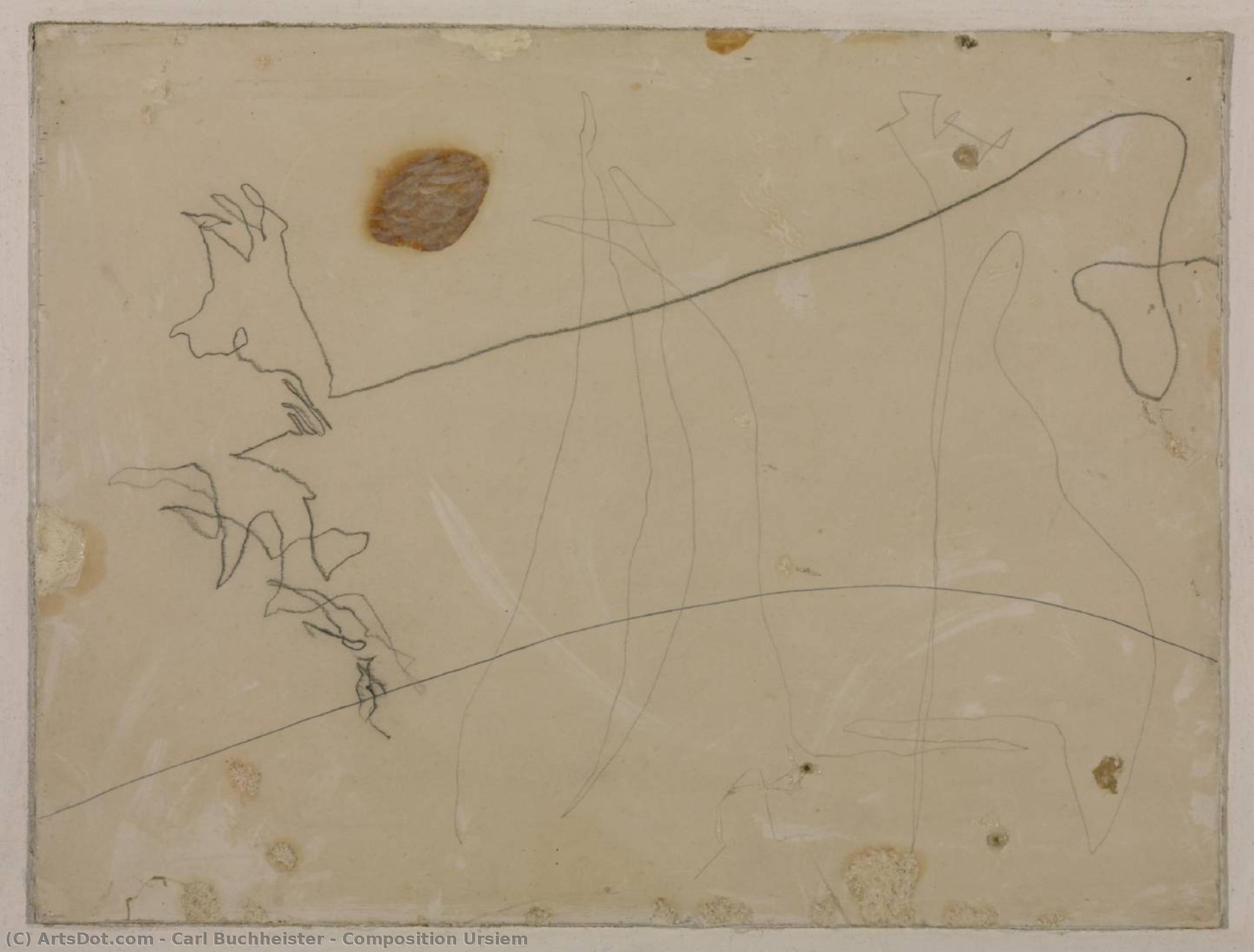
- Composition Ursiem
 미리보기
미리보기
 공유하기
공유하기 공유하기
공유하기
 상세 정보
상세 정보

 다운로드
다운로드
 유사 작품
유사 작품 X-레이
X-레이 슬라이드 쇼
Composition Ursiem


 더 보기
더 보기
수제 유화 복제품
원하는 크기와 액자로 주문 제작되는, 작가들이 직접 캔버스에 손으로 그린 유화 작품입니다. ( 프린트 주문으로 전환 이미지로 전환)




P118B $10

P118H $10

P118W $10

P438Z $10

P508JH $12

P508YH $12

P805H $10

P805Z $10

P919BZ $10

P919G $10

P919XJ $10

P959ZH $10

P968JZ $12

W106C $8

W218G $10

W218JH $8

W218Y $10

W307PJ $10

W316G $10

W316PJ $8

W316Y $10

W398PJ $8

W4111J $10

W500HY $15

W500JH $15

W692G $12

W849H $8

W940BG $15

W953PJ $8




작품의 원본 비율을 유지하는 미리 설정된 크기 중에서 선택하세요.

특정 프레임이나 공간에 맞도록 직접 크기를 입력할 수 있습니다. 선택하신 크기가 원본 이미지의 비율과 일치하지 않는 경우, 작품을 자르거나 추가적인 손으로 그린 요소를 사용하여 그림을 확장합니다. 제작 시작 전 승인을 위해 디지털 목업을 보내드립니다.
화면 미리 보기는 실제 자르기 또는 확장을 반영하지 않습니다. 최종 구성은 목업을 통해서만 정확하게 확인하실 수 있습니다.
맞춤 크기 제작도 가능하지만, 원본 비율을 유지하기 위해 사전 정의된 목록에서 크기를 선택하시는 것을 권장합니다.
주문 후 OriginalUniqueArt.com 팀에서 상세 안내를 위해 고객님께 이메일을 보내드리며, 미리보기 시안을 제공해 드립니다.


 유리 옵션은 110cm 미만 크기에서만 선택 가능합니다.

Composition Ursiem
재현 기법
복제본 크기
-


최종 결제 금액
$ 325
작품 상세 설명
The Echoes of Form: Exploring Buchheister's Composition Ursiem
To stand before Carl Buchheister’s Composition Ursiem is to step into a landscape of the mind itself—a place where structure dissolves into gesture and emotion takes tangible form. This charcoal drawing, executed in 1959, does not offer a scene to be merely observed; rather, it demands an emotional resonance from the viewer. It possesses the raw, untamed energy characteristic of preparatory studies, suggesting that what we see here is less a finished statement and more a vital moment caught mid-thought—a visual exhalation from the artist’s subconscious.
A Dialogue with Abstraction and Line
Technically, the piece is a masterclass in the expressive potential of charcoal. The medium allows Buchheister to build texture not through careful blending, but through the sheer accumulation and layering of marks. Dark, sinuous lines writhe across the paper, creating an almost frenetic dance that speaks volumes without uttering a single word. These elongated, amorphous shapes intertwine in a chaotic yet compelling arrangement. There is no clear focal point dictated by traditional perspective; instead, the eye is drawn into the density of the central, darker tones, suggesting an implied object or perhaps the core of a deeply felt anxiety. The overall effect is one of dynamic tension, where line weight becomes synonymous with emotional intensity.
Historical Resonance: From Constructivism to Inner Space
While Buchheister is historically recognized as a pioneer of Constructivist landscape painting—a movement dedicated to liberating art from mere representation and embracing geometric purity—Composition Ursiem seems to navigate the space between that rigorous structure and pure, unbridled expressionism. Influenced by the profound anxieties of the postwar era, his work often grappled with the fragmentation of modern existence. This drawing feels like a later meditation on those early struggles; if his earlier career sought elemental forms in the landscape, here he finds them within the tangled architecture of human feeling.
Symbolism and Emotional Depth for Your Space
For collectors and designers alike, this piece offers more than mere decoration; it offers conversation. The symbolism inherent in its undefined forms—the suggestion of limbs, figures, or merely currents of energy—invites contemplation on themes of disorientation, the subconscious, and the struggle for coherence. Reproducing Composition Ursiem allows one to introduce a sophisticated layer of intellectual depth into any room. It is perfect for an environment that values artistic dialogue over placid repose, lending an air of thoughtful, bohemian gravitas.
To own this reproduction is to possess a piece of art history distilled into pure feeling—a charcoal whisper from 1959 that continues to challenge and captivate the modern eye.
작가 약력
Carl Buchheister: A Pioneer of Constructivist Landscape Painting
Carl Buchheister (October 17, 1890 – February 2, 1964) emerged as a significant figure in German art during the turbulent years following World War I, establishing himself as one of the foremost practitioners of Constructivism—a revolutionary artistic movement that sought to liberate painting from representational illusionism and embrace geometric abstraction. Born in Hanover, Germany, Buchheister’s formative years coincided with the burgeoning intellectual ferment of Expressionism and Dada, shaping his artistic sensibilities and propelling him toward a distinctive visual language rooted in elemental forms and bold color palettes.- Early Influences: Like many artists of his time, Buchheister absorbed considerable inspiration from the landscapes of Edvard Munch and Friedrich Nietzsche, whose philosophical explorations mirrored the anxieties and uncertainties surrounding the postwar era. These influences instilled a preoccupation with psychological depth and emotional intensity—characteristics that would permeate his oeuvre throughout his career.
- Constructivist Principles: Embracing the tenets of Constructivism championed by artists like Wassily Kandinsky and Aleksandr Rodchenko, Buchheister rejected traditional perspective and tonal shading in favor of simplified geometric shapes arranged according to principles of balance and rhythm. He aimed to distill visual experience into its purest essence, prioritizing formal structure over detailed depiction.
- Notable Works: Buchheister’s artistic output comprises a series of striking landscape paintings—most notably “Composition Gowa,” “Composition Ursiem,” and “Composition Har”—that exemplify his Constructivist aesthetic. These canvases showcase monumental expanses of color punctuated by angular forms, conveying a sense of grandeur and immediacy that transcends mere visual observation.
Formal Innovation & Color Theory
Buchheister’s compositional strategies were meticulously crafted to evoke profound emotional responses in the viewer. He utilized techniques borrowed from photography—specifically the concept of “photographic illusion”—to create images that appeared to capture fleeting moments of atmospheric grandeur. His masterful manipulation of color—particularly hues derived from mineral pigments—further amplified the expressive power of his paintings. Analyzing geological formations and utilizing a palette informed by scientific observation, Buchheister sought to translate natural phenomena into visual metaphors for psychological states.- Geometric Abstraction: The artist’s canvases are dominated by large-scale geometric shapes—rectangles, triangles, and circles—arranged in harmonious configurations that prioritize spatial relationships over realistic representation.
- Mineral Pigments & Color Harmony: Buchheister meticulously selected mineral pigments—such as ultramarine blue and ochre—to achieve precise color matches and create visual compositions characterized by striking chromatic contrasts.
Legacy & Historical Significance
Carl Buchheister’s contribution to German art extends beyond his individual paintings; he served as a pivotal voice in advocating for Constructivism's role in shaping the artistic landscape of the Weimar Republic. His unwavering commitment to abstraction—coupled with his profound engagement with geological observation and psychological exploration—established him as a pioneer of a movement that anticipated many developments in postwar abstract expressionism. Buchheister’s work continues to resonate today, reminding us of the transformative potential of art to grapple with existential questions and convey visceral experiences.Further Exploration
For deeper insights into Carl Buchheister's artistic vision and his influence on subsequent generations of artists, consult resources such as Wikipedia (
carl buchheister
1890 - 1964 , Germany
주요 정보
- Artistic Movement Or Style: Constructivism
- Date Of Birth: October 17, 1890
- Date Of Death: February 2, 1964
- Full Name: Carl Buchheister
- Nationality: German
- Notable Artworks:
- Composition Gowa
- Composition Ursiem
- Composition Har
- Place Of Birth: Hanover, Germany
관련 기사 더 보기
페르낭 레제 최고 걸작 25선: 현대 미술의 거장을 만나다 | OriginalUniqueArt
페르낭 레제의 최고 걸작 25선을 만나보세요. 큐비즘, 추상 미술의 거장이 그린 명작들의 탄생 비화와 예술적 의미를 탐구합니다. OriginalUniqueArt에서 고품질 아트 프린트와 인테리어 액자로 공간에 예술을 더하세요. 지금 바로 컬렉션을 확인하세요!

Kandinsky's Masterpieces: 25 Paintings That Define Abstract Art | OriginalUniqueArt
Journey through Wassily Kandinsky's 25 most iconic abstract paintings. Explore his revolutionary use of color, form & spiritual expressionism. Find museum-quality Kandinsky reproductions and elevate your home decor with OriginalUniqueArt.com. Discover all masterpieces on OriginalUniqueArt.com!
뉴욕 메트로폴리탄 미술관 최고 걸작 25선: 예술의 정수를 만나다 | OriginalUniqueArt
뉴욕 메트로폴리탄 미술관 최고 걸작 25선을 만나보세요. 반 고흐, 모네 등 거장들의 숨겨진 이야기와 예술의 정수를 감상하세요. 홈 데코를 위한 명화 복제 작품은 OriginalUniqueArt에서! 지금 바로 컬렉션을 탐험하세요.

뉴욕 MoMA 명작 25선: 예술의 영혼을 담은 컬렉션 | OriginalUniqueArt
뉴욕 MoMA 명작 25선을 만나보세요. 반 고흐, 피카소, 워홀 등 거장들의 예술 세계와 숨겨진 이야기를 담았습니다. 인상주의부터 추상 표현주의까지, OriginalUniqueArt에서 미술 작품을 감상하고 홈 데코에 영감을 불어넣으세요. 지금 바로 컬렉션을 탐험하세요!

기하학적 추상 미술을 정의한 명작 10가지 | OriginalUniqueArt.com
몬드리안, 말레비치 등 거장들의 기하학적 추상 미술 명작 10선을 만나보세요. 각 작품의 예술사적 의미와 색채, 구성을 탐구하고 OriginalUniqueArt.com에서 고품질 아트 프린트를 소장하세요. 지금 바로 온라인 컬렉션을 확인하세요!

