
 미리보기
미리보기
 공유하기
공유하기 공유하기
공유하기
 상세 정보
상세 정보 가이드 보기

 다운로드
다운로드
 유사 작품 더 보기
 X-레이
X-레이 슬라이드 쇼 보기
 질의응답
질의응답 통계 정보
통계 정보The Woods near Spandau

- 73.0 x 102.0 cm


 더 보기
더 보기
지클레 / 아트 프린트
빠른 제작과 다양한 마감 옵션을 제공하는 박물관 수준의 지클레이 및 캔버스 프린트. ( 수작업 채색 복제본 주문하기 디지털 이미지로 전환)




P118B ₩10

P118H ₩10

P118W ₩10

P438Z ₩10

P508JH ₩12

P508YH ₩12

P805H ₩10

P805Z ₩10

P919BZ ₩10

P919G ₩10

P919XJ ₩10

P959ZH ₩10

P968JZ ₩12

W106C ₩8

W218G ₩10

W218JH ₩8

W218Y ₩10

W307PJ ₩10

W316G ₩10

W316PJ ₩8

W316Y ₩10

W398PJ ₩8

W4111J ₩10

W500HY ₩15

W500JH ₩15

W692G ₩12

W849H ₩8

W940BG ₩15

W953PJ ₩8




작품의 원본 비율을 그대로 유지하는 프리셋 사이즈 중에서 선택해 보세요.

액자나 벽면 크기에 맞춰 필요한 가로와 세로 길이를 입력해 주세요. 프린트는 원본 이미지보다 크게 제작할 수 없으며 오직 자르는 것만 가능하므로, 비율이 다른 사이즈를 선택할 경우 이미지의 일부가 잘려 나갈 수 있습니다. 인쇄 작업에 들어가기 전, 최종 확인을 위해 디지털 목업을 보내드립니다. 이 페이지에 표시된 이미지는 실제 잘리는 영역을 나타내지 않으며, 오직 목업을 통해서만 정확한 확인이 가능합니다.


 유리 옵션은 110cm 미만 크기에서만 선택 가능합니다.

The Woods near Spandau
지클레 / 아트 프린트
복제본 크기
-


최종 결제 금액
₩ 108463
A Twilight Reverie in the German Woods
In the quiet transition between day and night, Carl Blechen’s 1834 masterpiece, The Woods near Spandau, captures a moment of profound atmospheric stillness. This evocative landscape does not merely depict a forest; it invites the viewer into a sensory experience where the boundaries between reality and dream begin to blur. As the sun retreats, leaving behind a lingering glow upon a distant architectural silhouette—perhaps the Spandau Cathedral—the painting establishes a sense of deep, contemplative solitude. The composition is masterfully orchestrated, utilizing the converging lines of ancient, towering trees to create a natural corridor that draws the eye through the shadows and toward a soft, luminous focal point in the distance.
The emotional resonance of the work lies in its ability to evoke both mystery and peace. A solitary figure wanders along a darkened, muddy path, serving as a poignant symbol of the human journey through the vast, often overwhelming complexities of nature. This presence of a lone traveler heightens the Romantic theme of introspection, suggesting a soul in communion with the wilder, more shadowed aspects of the world. For the collector or designer, this piece offers a sophisticated emotional anchor, bringing a sense of quiet drama and historical depth to any curated space.
Mastery of Light and Romantic Technique
Blechen was a pioneer of the Romantic movement, known for eschewing the overly idealized vistas of his predecessors in favor of a more visceral, atmospheric realism. In The Woods near Spandau, his technique is nothing short of transformative. He employs a palette dominated by the earthy, muted tones of the woodland—deep browns, mossy greens, and charcoal greys—yet he breaks this somberness with strategic strokes of cerulean and pale gold. These highlights, caught in the canopy or reflecting off distant structures, create a rhythmic interplay of light and shadow that breathes life into the canvas.
The texture of the painting is palpable, achieved through loose, confident brushstrokes that suggest the ruggedness of tree bark and the delicate, shimmering movement of leaves caught in a twilight breeze. This tactile quality is essential to the artwork's impact; it moves beyond mere representation to create an immersive environment. The use of atmospheric perspective—where distant elements appear softer and more ethereal—adds a layer of profound depth, making the forest feel as though it extends infinitely into the mist. Such technical brilliance ensures that a high-quality reproduction remains a captivating centerpiece, preserving the subtle nuances of Blechen’s legendary hand.
A Timeless Addition to the Modern Interior
Beyond its historical significance, The Woods near Spandau possesses an enduring aesthetic versatility that appeals to the contemporary eye. Its dark, moody tonality makes it an exquisite choice for interior designers looking to create a "moody" or "dark academia" aesthetic, providing a sophisticated contrast against lighter wall tones or complementing rich, velvet textures in a study or library. The painting’s ability to command attention through subtle movement rather than loud color allows it to integrate seamlessly into luxurious, understated environments.
Owning a reproduction of this caliber is an opportunity to possess a fragment of German Romanticism. It serves as a window into a period when artists first began to grapple with the changing landscape of a modernizing world, finding beauty in the interplay between the natural and the man-made. Whether placed in a grand salon or a quiet reading nook, this artwork continues to inspire awe, offering a perennial sanctuary of light and shadow for those who appreciate the profound beauty of the natural world.
질의응답
"The Woods near Spandau"은(는) 저작권으로부터 자유로운가요?
칼 블레헨의 "The Woods near Spandau"의 저작권 정보: 해당 작품은 퍼블릭 도메인 - 저작권 보호 기간이 만료되었습니다 상태입니다. 이는 이미지 복제 가능 여부를 결정하는 기준이 됩니다.
칼 블레헨의 "The Woods near Spandau"의 프린트 제품은 어디에서 구매할 수 있나요?
칼 블레헨의 "The Woods near Spandau"의 프린트는 해당 작품의 파인 아트 프린트 페이지에서 간편하게 주문하실 수 있습니다: 코튼 캔버스 또는 아카이브용 캔버스지에 인쇄된 파인 아트 프린트.
"The Woods near Spandau"에 사용된 기법은 무엇이며, 제작 시기는 언제인가요?
"The Woods near Spandau"은(는) 1834년에 Oil On Canvas 기법으로 제작되었습니다.
작가 정보
낭만적 산업화의 선구자: 칼 블레헨의 삶과 예술
1798년 독일 코트부스에서 태어난 칼 에두아르트 페르디난트 블레헨은 풍경화 전통 속에서 독특하면서도 종종 간과되곤 하는 위치를 차지하고 있습니다. 그의 삶은 예술적 찬란함과 개인적인 고통이라는 양면성으로 점철되었으며, 이러한 이중성은 그의 매혹적이고 혁신적인 작품 세계를 형성하는 데 깊은 영향을 미쳤습니다. 본래 가문의 경제적 어려움으로 인해 은행가라는 실용적인 길을 걷도록 예정되어 있었으나, 블레헨의 내면에 자리 잡은 예술적 갈망은 결국 승리했습니다. 그는 1822년 베를린 예술 아카데m에서 수학하며, 초기 산업화가 가져온 미학적 도전과 가능성을 가장 먼저 마주한 예술가 중 한 명으로서의 여정을 시작했습니다.
블레헨의 형성기는 유럽을 휩쓸던 낭만주의적 이상에 깊이 물들어 있었습니다. 그러나 이상화된 자연의 아름다움이나 역사적 장엄함에만 몰두했던 동시대의 많은 화가와 달리, 블레헨의 시선은 변화하는 세상으로 향했습니다. 특히 1828년부터 1829년 사이 떠난 이탈리아 여행은 그의 예술 인생을 뒤바꾼 결정적인 계기가 되었습니다. 이탈리아 전원의 빛과 대기에 매료된 그는 야외 스케치 실력을 연마하며, 찰나의 순간과 극적인 효과를 놀라운 감수성으로 포착해냈습니다. 이러한 스케치들은 단순한 준비 단계의 습작이 아니었습니다. 그것들은 그의 성숙한 화풍을 특징짓게 될 생동감 넘치는 에너지를 품고 있었습니다. 그는 단순히 기술적으로 숙련된 화가가 아니라, 자연의 숭고한 아름다움과 밀려오는 현대성의 현실을 조화시키고자 했던 독창적인 비전을 가진 예술가로서 베를린으로 돌아왔습니다.
전통과 변혁 사이의 항해
블레헨의 예술적 성취는 낭만주의적 감성과 태동하는 사실주의 사이의 매혹적인 긴장감으로 특징지어집듬니다. 그는 급증하는 산업 경관을 묘사하는 것을 피하지 않았지만, 그렇다고 이를 무비판적으로 찬양하지도 않았습니다. 1830년에서 1832년 사이에 그려진 Bau der Teufelsbrücke (악마의 다리 건설)와 같은 작품들이 이러한 접근 방식을 잘 보여줍니다. 이 작품은 공학적 성취를 미화하는 대신, 극적인 배경 속에서 펼쳐지는 고된 노동의 현장을 제시하며 인간의 야망과 자연 질서가 파괴될 수 있는 잠재적 위협을 동시에 암시합니다. 시대의 복잡성을 직면하려 했던 이러한 의지는 그를 동시대의 다른 화가들과 차별화하는 요소입니다.
그의 풍경화에는 종종 우울한 분위기가 감도는데, 이는 변화하는 물리적 환경뿐만 아니라 그 자신의 내면적 갈등을 반영합니다. 예를 들어, Waldweg bei Spandau (슈판다우 근처의 숲길)은 고독과 성찰의 정서를 불러일으키는 동시에 빛과 그림자를 다루는 블레헨의 탁월한 기량을 보여줍니다. 그는 대기 원근법을 숙련되게 사용하여 깊이와 분위기를 창조해냈으며, 관람객을 장면 속으로 끌어들여 명상에 잠기게 했습니다. 그는 단순히 눈에 보이는 것을 기록하는 데 그치지 않고, 그것에 대한 정서적 반응을 전달하고자 했습니다.
고뇌하는 천재와 영원한 유산
예술적 업적에도 불구하고, 블레헨의 삶은 정신 질환으로 인해 비극적으로 단축되었습니다. 1831년 베를린 예술 아카데미의 풍경화 교수 임용은 그의 높아진 명성을 증명하는 것이었으나, 1835년 이후 그의 상태는 급격히 악화되었습니다. 휴직을 강요받고 결국 입원하게 된 상황 속에서도 그는 고통 가운데 예술 창작을 멈추지 않았으며, 자신의 혼란스러운 내면 세계를 엿볼 수 있게 하는 애절한 드로잉들을 남겼습니다. 그는 1840년 베를린에서 41세의 나이로 생을 마감했습니다.
그의 경력은 상대적으로 짧았지만, 후대 예술가들에게 미친 블레헨의 영향력은 부정할 수 없습니다. 산업 경관에 대한 그의 선구적인 묘사는 현대 삶의 변화하는 얼굴을 포착하려 했던 후기 사실주의 및 인상주의 화가들에게 길을 열어주었습니다. 그는 격변의 한복판에서도 아름다움과 의미를 발견하는 것이 가능하다는 것을 증명해 보였으며, 이 교훈은 오늘날의 예술가들에게도 여전히 깊은 울림을 줍니다. 그의 작품은 인간과 자연, 그리고 진보 사이의 복잡한 관계를 상기시키는 강력한 매개체로 남아 있습니다.
주요 작품 및 소장처
-
<
- Im Berliner Tiergarten (베를린 동물원), 1825: 낭만주의적 감성으로 대기 효과와 일상의 장면을 포착해내는 그의 초기 능력을 보여주는 사례입니다. <
- Waldweg bei Spandau (슈판다우 근처의 숲길): 빛과 그림자, 그리고 분위기를 다루는 그의 거장다운 면모를 보여주는 잊히지 않는 풍경화입니다. <
- Bau der Teufelsbrücke (악마의 다리 건설), 1830–32: 초기 산업화를 그려낸 혁신적인 작품으로, 인간의 야망과 그것이 자연계에 미치는 영향을 동시에 보여줍니다.
오늘히 블레헨의 작품들은 독일의 쿤스트할레 빌레펠트(Kunsthalle Bielefeld), 영국의 피츠윌리엄 박물관(The Fitzwilliam Museum), 그리고 런던 내셔널 갤러리(National Gallery)를 포함하여 전 세계 유수의 미술관 컬렉션에서 만나볼 수 있습니다. 이러한 기관들은 그의 혁신적인 비전이 계속해서 관람객들에게 영감을 주고 도전 과제를 던져줄 수 있도록 그의 유산을 소중히 보존하고 있습니다.
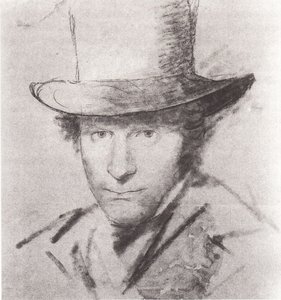
칼 블레헨
1798 - 1840 , 독일
작가 정보 요약
- Artistic Movement Or Style: 낭만주의
- Artists Who Influenced This Artist:
- 카스파르 다비트 프리드리히
- 요한 크리스티안 달
- Date Of Birth: 1798년 7월 29일
- Date Of Death: 1840년 7월 23일
- Full Name: 칼 에두아르트 페르디난트 블레헨
- Nationality: 독일
- Notable Artworks:
- 베를린 티어가르텐에서
- 슈판다우의 숲길
- 악마의 다리 건설
- Place Of Birth: 독일 코트부스
관련 콘텐츠

낭만 풍경화의 황홀! 예술사에 빛난 10대 걸작 탐구 | 와후아트
낭만주의 시대, 예술혼을 불태운 10대 풍경화 걸작! 터너부터 프리드리히까지, 시대를 초월하는 아름다움을 와후아트에서 만나보세요. 고흐의 색채와 코로의 섬세함이 당신의 공간에 영감을 더합니다. 지금 바로 와후아트에서 명품 미술 작품을 감상하고 구매하세요!

The Sublime and the Picturesque: Exploring Emotion & Nature in Romantic Landscape Painting
Explore the emotional power of Romantic landscape painting! Discover the sublime & picturesque traditions, key artists like Friedrich & Cole, and find your perfect artwork at OriginalUniqueArt.

Evoking Nature's Sublime: A Comprehensive Exploration of 19th-Century Landscape Painting
Explore the captivating world of 19th-century landscape painting! Discover renowned artists like Friedrich & Monet, key movements, and find the perfect artwork to bring nature's serenity into your home. Expert insights at OriginalUniqueArt.

Evocations of Place: A Historical Journey Through Landscape Art
Explore the rich history of landscape art with OriginalUniqueArt. Discover renowned artists, movements like Impressionism & Romanticism, and expert guidance for collecting timeless pieces. Find your perfect serene escape today!
The Sublime and the Picturesque: Exploring Emotion & Nature in Romantic Landscape Painting
Explore the emotional power of Romantic landscape painting! Discover the sublime & picturesque aesthetics, key artists like Friedrich & Cole, and lasting influence on art history. Find your perfect piece at OriginalUniqueArt.