실제 크기로 보기
 보내기
보내기 공유하기
공유하기
 상세 보기
상세 보기 가이드 보기

 이미지 다운로드
 유사 작품 더 보기
 X-레이
X-레이 슬라이드 쇼 보기
 통계 정보
통계 정보not identified

 상세 보기
상세 보기
핸드메이드 유화 복제화
작가가 직접 캔버스에 손으로 그린 유화 작품으로, 원하는 크기와 액자로 맞춤 제작해 드립니다. ( 프린트 판매로 전환 디지털 이미지 판매 채널로 전환)




P118B ₩10

P118H ₩10

P118W ₩10

P438Z ₩10

P508JH ₩12

P508YH ₩12

P805H ₩10

P805Z ₩10

P919BZ ₩10

P919G ₩10

P919XJ ₩10

P959ZH ₩10

P968JZ ₩12

W106C ₩8

W218G ₩10

W218JH ₩8

W218Y ₩10

W307PJ ₩10

W316G ₩10

W316PJ ₩8

W316Y ₩10

W398PJ ₩8

W4111J ₩10

W500HY ₩15

W500JH ₩15

W692G ₩12

W849H ₩8

W940BG ₩15

W953PJ ₩8




작품의 원본 비율을 그대로 유지하는 프리셋 사이즈 중에서 선택해 보세요.

액자나 벽면 크기에 맞춰 필요한 가로와 세로 길이를 입력해 주세요. 본 작품은 수작업으로 제작되므로, 요청하신 비율에 따라 작가가 그림의 가장자리를 조금 더 넓게 그리거나 일부를 조정하여 작업할 수 있습니다. 작업 시작 전, 최종 확인을 위해 디지털 목업 이미지를 보내드립니다. 이 페이지에 표시된 이미지는 실제 결과물과 다를 수 있으며, 오직 목업 이미지만이 정확한 결과물을 보여줍니다.
주문 완료 후 OriginalUniqueArt.com 팀에서 상세 안내를 위해 고객님께 이메일을 보내드리며, 미리보기 시안을 함께 제공해 드립니다.


 유리 옵션은 110cm 미만 크기에서만 선택 가능합니다.

not identified
재현 매체
복제본 규격
-


총 결제 금액
₩ 406326
A Study in Abundance: A Caravaggio Still Life
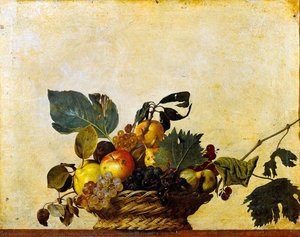
This captivating still life, attributed to the masterful hand of Michelangelo Merisi da Caravaggio, presents a scene brimming with both earthly bounty and profound emotional resonance. The composition immediately draws the eye to a monumental pumpkin – a dominant presence that speaks volumes about the harvest’s richness and the transient nature of beauty. Scattered around this central figure are a carefully arranged collection of apples, their crimson skins offering a vibrant counterpoint to the earthy tones of the vegetables and fruit. A solitary human form, subtly placed on the right side of the canvas, introduces an element of narrative, perhaps suggesting contemplation or interaction with this opulent display.
- Subject Matter: The painting’s subject is a classic still life – a meticulously rendered collection of fruits and vegetables. However, Caravaggio elevates this genre through his dramatic use of light and shadow, transforming the mundane into something deeply evocative.
- Style & Technique: This work exemplifies Caravaggio's signature *tenebrism*, a technique characterized by stark contrasts between intensely dark areas and dramatically illuminated subjects. The strong directional light not only reveals the textures and forms of the objects but also serves to heighten their emotional impact, creating a sense of theatrical drama. The artist’s brushwork is loose and expressive, contributing to the painting's raw energy and immediacy.
Historical Context & Caravaggio’s Innovation
Created during the tumultuous period of the Baroque era (roughly 1600-1750), this still life reflects a shift in artistic sensibilities away from the idealized forms of the Renaissance towards a more realistic and emotionally charged approach. Caravaggio, working primarily in Rome, was a revolutionary figure who challenged the established conventions of his time. He rejected the polished surfaces and classical allegories favored by many of his contemporaries, instead choosing to depict everyday subjects – often religious scenes – with unflinching honesty and a deep understanding of human psychology. His use of ordinary people as models, rather than idealized figures, further contributed to this revolutionary spirit.
Born in Milan in 1571, Caravaggio’s early life was marked by tragedy—the deaths of his father and grandfather from the plague. This experience profoundly shaped his artistic vision, fueling a preoccupation with themes of mortality, suffering, and redemption. His time in Rome, though initially challenging, provided him with the freedom to develop his unique style, which would ultimately influence generations of artists.
Symbolism & Emotional Impact
- The Pumpkin: The oversized pumpkin is often interpreted as a symbol of abundance, fertility, and even mortality – a reminder of the cyclical nature of life and death.
- Apples: Apples frequently represent temptation, knowledge, or beauty in Western art. Their placement strategically draws attention to specific areas of the composition.
- The Human Figure: The presence of the human figure adds an element of mystery and invites the viewer to contemplate their role within this scene. It could be interpreted as a representation of humanity’s relationship with nature, or perhaps a meditation on faith and doubt.
Ultimately, this Caravaggio still life transcends its simple subject matter to become a powerful exploration of light, shadow, emotion, and the human condition. Its dramatic intensity and masterful technique continue to captivate viewers centuries later, making it a timeless masterpiece worthy of admiration and preservation.
질의응답
"not identified"의 주제가 카라바조의 평소 작업 주제와 어떤 연관이 있나요?
"not identified"은(는) still life, caravaggio, fruits, vegetables, pumpkin, abundance, baroque을(를) 묘사하고 있는 반면, 카라바조의 기존 주제들은 religious symbolism, caravaggio’s style, dramatic chiaroscuro, realism, humanism, social commentary, early baroque influence”, “complex artistic legacy입니다. 이 두 가지를 비교해 보면 해당 작품이 작가의 통상적인 소재와 어떻게 연관되는지 알 수 있습니다.
카라바조의 "not identified"의 휘도는 어느 정도인가요?
카라바조의 "not identified"의 기록된 휘도는 Dark입니다.
카라바조의 "not identified"의 색채 강도는 어느 정도인가요?
카라바조의 "not identified"에 사용된 색상들은 Monochromatic 강도를 띱니다.
작가 소개
빛과 그림자의 거장: 카라바조의 삶과 예술
미켈란젤로 메리시 다 카라바조, 흔히 카라바조라는 이름으로 알려진 그는 16세기 말 이탈리아 미술계를 뒤흔든 혁명가였습니다. 1571년 밀라노에서 태어난 그는 어린 시절 역경과 고통을 경험하며 인간의 고뇌와 회복력을 깊이 이해하게 되었고, 이는 그의 작품 전반에 걸쳐 드러나는 특징입니다. 시몬 페테자노에게 그림 기법을 배우며 르네상스 미술의 기초를 다졌지만, 곧 기존의 틀을 깨는 독창적인 스타일을 구축하기 시작했습니다. 로마로 이주한 후 그는 빛과 어둠의 극명한 대비를 통해 강렬한 감정적 효과를 창출하는 키아로스쿠로 기법을 극한으로 끌어올렸고, 이를 ‘테네브리즘’이라는 새로운 미술 사조로 발전시켰습니다. 이는 당시 유행하던 인공적인 우아함을 추구하는 매너리즘 양식과는 대조되는 현실주의적 접근 방식이었습니다.혁명적인 비전: 기법과 스타일
카라바조의 등장으로 이탈리아 미술계는 격변을 맞았습니다. 그는 이상화된 표현을 거부하고 거리에서 만나는 평범한 사람들을 모델로 삼아 종교적 인물을 묘사하며 당시 사회에 큰 충격을 안겨주었습니다. 그의 가장 두드러진 혁신은 빛과 어둠의 극명한 대비를 통해 감정적 효과를 극대화하는 키아로스쿠로 기법의 활용이었습니다. 이 기법은 단순한 미적 선택을 넘어, 그림 속 인물들에게 생생한 존재감을 부여하고 관람객을 작품의 중심으로 끌어들이는 강력한 도구였습니다. 그는 또한 배경을 최소화하거나 생략하여 인물의 감정과 드라마를 더욱 강조하는 구도 방식을 선호했습니다. 이러한 혁신적인 기법들은 그의 작품에 강렬한 현실감과 극적인 긴장감을 부여했으며, 이는 이후 바로크 미술의 발전에 지대한 영향을 미쳤습니다.주요 작품과 지속적인 영향력
카라바조는 짧은 생애 동안 수많은 걸작을 남겼습니다. 1594년 제작된 “계산하는 여자”는 그의 뛰어난 관찰력과 인물 표현력을 보여주는 초기 대표작입니다. 1601년부터 1602년에 걸쳐 완성된 “에마오 길의 만찬”은 키아로스쿠로 기법을 통해 성경 이야기를 생생하게 재현하며 깊은 감동을 선사합니다. 또한, 다윗과 골리앗이 등장하는 작품은 카라바조 자신의 불안정한 심리를 반영하는 듯한 강렬한 인상을 남깁니다. 그의 영향력은 이탈리아를 넘어 유럽 전역으로 확산되었고, 페테르 파울 루벤스, 주세페 데 리베라, 게릿 판 호르트 등 수많은 예술가들에게 영감을 불어넣었습니다. 이들을 ‘카라바조의 추종자’ 또는 ‘음영주의 화가’라고 부르며, 카라바조의 스타일을 모방하거나 발전시킨 작품들을 통해 그의 영향력은 더욱 널리 퍼져나갔습니다.불우한 삶과 불멸의 유산
카라바조의 삶은 그의 예술만큼이나 극적이고 파란만장했습니다. 호탕하고 다혈질적인 성격으로 인해 빈번하게 법망에 걸렸고, 결국 살인 혐의로 기소되어 로마에서 도망치는 신세가 되었습니다. 이후 나폴리, 몰타, 시칠리아 등지를 떠돌아다니며 그림을 그리면서 사면을 간청했지만, 과거의 과오는 그를 끊임없이 따라다녔습니다. 1610년 포르토 에르콜레에서 갑작스럽게 세상을 떠났는데, 그의 죽음 역시 정확한 원인이 밝혀지지 않아 여러 추측이 난무합니다. 열병으로 인한 사망설과 함께 독살설, 혹은 과로로 인한 사망설 등 다양한 이야기가 전해지고 있습니다. 비록 짧은 생을 마감했지만, 카라바조는 혁신적인 비전과 현실주의에 대한 헌신을 통해 서양 미술사의 흐름을 바꾸어 놓았습니다. 그의 작품은 오늘날까지도 수많은 사람들에게 감동과 영감을 선사하며 불멸의 유산으로 남아 있습니다.
카라바조
1571 - 1610 , 스페인
작가 정보 요약
- 국적: 이탈리아인
- 대표 작품:
- 운명의 여인
- 에마오에서의 만찬
- 골리앗을 베는 다윗
- 열정적인 성 프란치스코
- 영향을 받은 예술가:
- 루벤스
- 호세 데 리베라
- 영향을 준 예술가:
- 티치아노
- 레오나르도 다 빈치
- 미켈란젤로
- 예술 사조: 바로크, 테네브르
- 전체 이름: 미켈란젤로 메리시 다 카라바지오
- 출생일: 1571년 9월 29일
관련 기사
Nature's Bounty: The Art History of Fruit Arrangement Masterpieces and the Baroque Still Life Tradition
Explore the profound beauty of fruit arrangement masterpieces. From Dutch Golden Age opulence to Baroque chiaroscuro, discover the art history, symbolism, and timeless elegance of classical still life paintings for the discerning collector.

The Bountiful Still Life: Symbolism & Artistic Representation of Fruit Across Art History
Explore the rich history of still life painting & the symbolism of fruit across art movements. Discover masterpieces from Caravaggio to Cézanne with OriginalUniqueArt – expert guidance & museum-quality reproductions.
The Art of the Vine: Curating Exquisite Masterpieces Featuring Grapes for the Discerning Collector
Embark on a visual journey through the world's most exquisite grape-themed masterpieces. Discover the technical brilliance of Baroque masters and learn how to curate timeless, hand-painted oil reproductions for your luxury collection with OriginalUniqueArt.com.
Baroque Painting's Greatest Hits: 10 Masterpieces for Your Home | OriginalUniqueArt
Journey through Baroque painting's glory! Explore 10 masterpieces by Caravaggio, Rembrandt & Vermeer. Discover dramatic lighting, rich colors & timeless stories. Find museum-quality art reproductions for your home at OriginalUniqueArt.com.

화려함 속에 감춰진 진실! 바로크 미술을 정의한 10대 걸작 탐구
화려함과 극적인 표현이 압권! 바로크 미술을 대표하는 10대 걸작의 숨겨진 이야기를 만나보세요. 베르니니, 루벤스 등 거장의 작품부터 바로크 색감, 예술적 기법까지 – OriginalUniqueArt.com에서 명품 복제 & 인테리어 영감을 얻으세요! 지금 바로 컬렉션을 탐험해보세요.