 미리보기
미리보기
 프린트 구매
 공유하기
공유하기 공유하기
공유하기
 상세 정보
상세 정보

 다운로드
다운로드
 유사 작품
유사 작품 X-레이
X-레이 슬라이드 쇼
Christ at the Column


 더 보기
더 보기




P118B $10

P118H $10

P118W $10

P438Z $10

P508JH $12

P508YH $12

P805H $10

P805Z $10

P919BZ $10

P919G $10

P919XJ $10

P959ZH $10

P968JZ $12

W106C $8

W218G $10

W218JH $8

W218Y $10

W307PJ $10

W316G $10

W316PJ $8

W316Y $10

W398PJ $8

W4111J $10

W500HY $15

W500JH $15

W692G $12

W849H $8

W940BG $15

W953PJ $8




작품의 원본 비율을 유지하는 미리 설정된 크기 중에서 선택하세요.

특정 프레임이나 공간에 맞도록 직접 크기를 입력할 수 있습니다. 선택하신 크기가 원본 이미지의 비율과 일치하지 않는 경우, 작품을 자르거나 추가적인 손으로 그린 요소를 사용하여 그림을 확장합니다. 제작 시작 전 승인을 위해 디지털 목업을 보내드립니다.
화면 미리 보기는 실제 자르기 또는 확장을 반영하지 않습니다. 최종 구성은 목업을 통해서만 정확하게 확인하실 수 있습니다.
맞춤 크기 제작도 가능하지만, 원본 비율을 유지하기 위해 사전 정의된 목록에서 크기를 선택하시는 것을 권장합니다.
주문 후 OriginalUniqueArt.com 팀에서 상세 안내를 위해 고객님께 이메일을 보내드리며, 미리보기 시안을 제공해 드립니다.


 유리 옵션은 110cm 미만 크기에서만 선택 가능합니다.

Christ at the Column
재현 기법
복제본 크기
-


최종 결제 금액
$ 350
작품 상세 설명
A Moment of Profound Suffering: Unveiling Caravaggio’s *Christ at the Column*
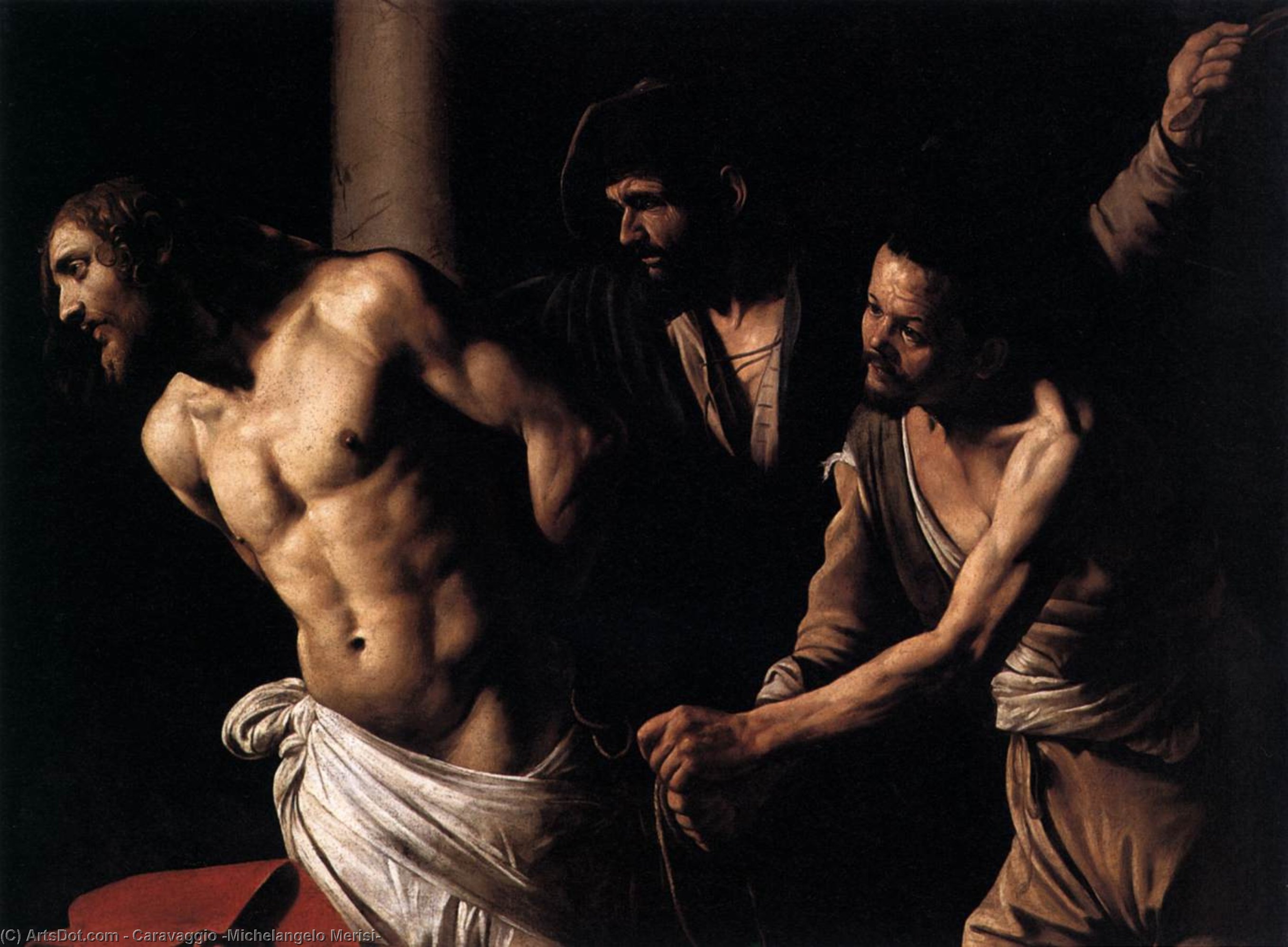
Caravaggio's *Christ at the Column*, painted in 1607, is a visceral and deeply moving depiction of Christ’s torment during his Passion. This oil on canvas (134 x 175 cm), currently housed in the Musée des Beaux-Arts in Rouen, France, isn’t merely a historical representation; it's an invitation to confront human suffering with unflinching honesty. The painting captures the moment before Christ’s flagellation, a pivotal scene of vulnerability and impending sacrifice.Compositional Mastery & Dramatic Lighting
The composition is strikingly simple yet powerfully effective. Christ, bound to the column, occupies the central focus, his body illuminated by an unseen light source. Around him stand three figures – one holding Christ’s hands aloft in anticipation of the scourging, and two others observing with a mixture of detachment and grim acceptance. In the background, partially obscured in shadow, are additional figures and a horse, adding depth to the scene without distracting from the central drama. Caravaggio's signature technique, tenebrism – an extreme contrast between light and dark – is masterfully employed here. The stark illumination isolates Christ’s form, emphasizing his physical and emotional vulnerability. This dramatic lighting doesn’t just depict a scene; it *creates* an atmosphere of intense psychological tension.The Baroque Style & Artistic Innovation
*Christ at the Column* is a quintessential example of Baroque art. Rejecting the idealized forms of the Renaissance, Caravaggio embraced realism, portraying figures with raw emotion and physical imperfections. His approach was revolutionary for its time, prioritizing emotional impact over classical beauty. The painting’s almost monochromatic palette – dominated by blacks, browns, and subtle highlights – further intensifies the somber mood and directs the viewer's attention to Christ’s suffering.Historical Context & Commission
This work was commissioned by the di Franco family for a chapel in the church of San Domenico Maggiore in Naples. It exists alongside another, equally compelling *Flagellation of Christ* by Caravaggio, housed in the Museo Nazionale di Capodimonte in Naples. The commission reflects the Counter-Reformation’s emphasis on emotional engagement with religious narratives – aiming to inspire piety and devotion through powerful visual storytelling. Caravaggio's turbulent life, marked by violence and exile, undoubtedly informed his ability to portray such profound human experiences.Symbolism & Emotional Resonance
Beyond the literal depiction of Christ’s torment, *Christ at the Column* is rich in symbolism. The column itself represents imprisonment and suffering, while the bound hands symbolize powerlessness. The figures surrounding Christ embody different responses to his plight – indifference, anticipation, and perhaps a flicker of compassion. The painting's enduring emotional impact lies in its ability to evoke empathy. Caravaggio doesn’t present Christ as a distant divine figure but as a man experiencing profound physical and emotional pain. This humanization of the sacred makes the scene all the more relatable and deeply affecting. It invites viewers to contemplate themes of sacrifice, redemption, and the enduring power of faith in the face of adversity.Influence & Legacy
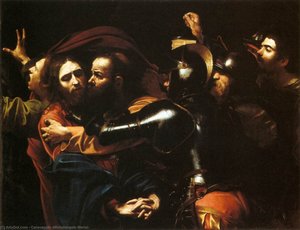
Caravaggio’s influence on subsequent generations of artists is undeniable. His dramatic use of light and shadow, his commitment to realism, and his psychological depth inspired masters like Rembrandt, Georges de La Tour, and countless others. *Christ at the Column*, along with works such as *The Taking of Christ* and *David with the Head of Goliath*, continues to captivate audiences today, solidifying Caravaggio’s place as one of the most important and influential artists in Western art history.- For collectors: A reproduction of this work adds a powerful statement piece to any collection.
- For interior designers: The painting's dramatic palette and emotional intensity can create a focal point in a variety of settings, from traditional to contemporary spaces.
- For art lovers: *Christ at the Column* offers a profound meditation on faith, suffering, and the human condition.
작가 약력
빛과 그림자의 거장: 카라바조의 삶과 예술
미켈란젤로 메리시 다 카라바조, 흔히 카라바조라는 이름으로 알려진 그는 16세기 말 이탈리아 미술계를 뒤흔든 혁명가였습니다. 1571년 밀라노에서 태어난 그는 어린 시절 역경과 고통을 경험하며 인간의 고뇌와 회복력을 깊이 이해하게 되었고, 이는 그의 작품 전반에 걸쳐 드러나는 특징입니다. 시몬 페테자노에게 그림 기법을 배우며 르네상스 미술의 기초를 다졌지만, 곧 기존의 틀을 깨는 독창적인 스타일을 구축하기 시작했습니다. 로마로 이주한 후 그는 빛과 어둠의 극명한 대비를 통해 강렬한 감정적 효과를 창출하는 키아로스쿠로 기법을 극한으로 끌어올렸고, 이를 ‘테네브리즘’이라는 새로운 미술 사조로 발전시켰습니다. 이는 당시 유행하던 인공적인 우아함을 추구하는 매너리즘 양식과는 대조되는 현실주의적 접근 방식이었습니다.혁명적인 비전: 기법과 스타일
카라바조의 등장으로 이탈리아 미술계는 격변을 맞았습니다. 그는 이상화된 표현을 거부하고 거리에서 만나는 평범한 사람들을 모델로 삼아 종교적 인물을 묘사하며 당시 사회에 큰 충격을 안겨주었습니다. 그의 가장 두드러진 혁신은 빛과 어둠의 극명한 대비를 통해 감정적 효과를 극대화하는 키아로스쿠로 기법의 활용이었습니다. 이 기법은 단순한 미적 선택을 넘어, 그림 속 인물들에게 생생한 존재감을 부여하고 관람객을 작품의 중심으로 끌어들이는 강력한 도구였습니다. 그는 또한 배경을 최소화하거나 생략하여 인물의 감정과 드라마를 더욱 강조하는 구도 방식을 선호했습니다. 이러한 혁신적인 기법들은 그의 작품에 강렬한 현실감과 극적인 긴장감을 부여했으며, 이는 이후 바로크 미술의 발전에 지대한 영향을 미쳤습니다.주요 작품과 지속적인 영향력
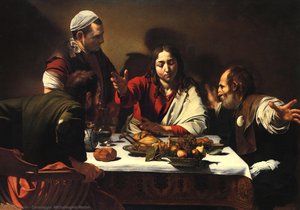
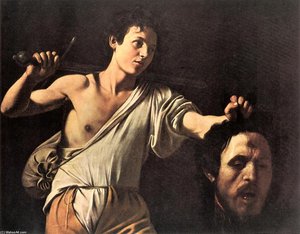
카라바조는 짧은 생애 동안 수많은 걸작을 남겼습니다. 1594년 제작된 “계산하는 여자”는 그의 뛰어난 관찰력과 인물 표현력을 보여주는 초기 대표작입니다. 1601년부터 1602년에 걸쳐 완성된 “에마오 길의 만찬”은 키아로스쿠로 기법을 통해 성경 이야기를 생생하게 재현하며 깊은 감동을 선사합니다. 또한, 다윗과 골리앗이 등장하는 작품은 카라바조 자신의 불안정한 심리를 반영하는 듯한 강렬한 인상을 남깁니다. 그의 영향력은 이탈리아를 넘어 유럽 전역으로 확산되었고, 페테르 파울 루벤스, 주세페 데 리베라, 게릿 판 호르트 등 수많은 예술가들에게 영감을 불어넣었습니다. 이들을 ‘카라바조의 추종자’ 또는 ‘음영주의 화가’라고 부르며, 카라바조의 스타일을 모방하거나 발전시킨 작품들을 통해 그의 영향력은 더욱 널리 퍼져나갔습니다.불우한 삶과 불멸의 유산
카라바조의 삶은 그의 예술만큼이나 극적이고 파란만장했습니다. 호탕하고 다혈질적인 성격으로 인해 빈번하게 법망에 걸렸고, 결국 살인 혐의로 기소되어 로마에서 도망치는 신세가 되었습니다. 이후 나폴리, 몰타, 시칠리아 등지를 떠돌아다니며 그림을 그리면서 사면을 간청했지만, 과거의 과오는 그를 끊임없이 따라다녔습니다. 1610년 포르토 에르콜레에서 갑작스럽게 세상을 떠났는데, 그의 죽음 역시 정확한 원인이 밝혀지지 않아 여러 추측이 난무합니다. 열병으로 인한 사망설과 함께 독살설, 혹은 과로로 인한 사망설 등 다양한 이야기가 전해지고 있습니다. 비록 짧은 생을 마감했지만, 카라바조는 혁신적인 비전과 현실주의에 대한 헌신을 통해 서양 미술사의 흐름을 바꾸어 놓았습니다. 그의 작품은 오늘날까지도 수많은 사람들에게 감동과 영감을 선사하며 불멸의 유산으로 남아 있습니다.
카라바조
1571 - 1610 , 스페인
주요 정보
- 국적: 이탈리아인
- 대표 작품:
- 운명의 여인
- 에마오에서의 만찬
- 골리앗을 베는 다윗
- 열정적인 성 프란치스코
- 영향을 받은 예술가:
- 루벤스
- 호세 데 리베라
- 영향을 준 예술가:
- 티치아노
- 레오나르도 다 빈치
- 미켈란젤로
- 예술 사조: 바로크, 테네브르
- 전체 이름: 미켈란젤로 메리시 다 카라바지오
- 출생일: 1571년 9월 29일
관련 기사 더 보기

화려함 속에 감춰진 진실! 바로크 미술을 정의한 10대 걸작 탐구
화려함과 극적인 표현이 압권! 바로크 미술을 대표하는 10대 걸작의 숨겨진 이야기를 만나보세요. 베르니니, 루벤스 등 거장의 작품부터 바로크 색감, 예술적 기법까지 – OriginalUniqueArt.com에서 명품 복제 & 인테리어 영감을 얻으세요! 지금 바로 컬렉션을 탐험해보세요.

The Dramatic Flourish: Exploring the Baroque Movement's Enduring Legacy in Art History
Explore the dramatic world of Baroque art! Discover iconic artists like Caravaggio & Rubens, defining techniques, and its lasting impact on art history. Expert insights for collectors & enthusiasts at OriginalUniqueArt.

The Visceral Stage: Exploring Dramatic Narratives & Emotional Intensity in Baroque Art
Explore the dramatic world of Baroque art! Discover iconic masters like Caravaggio & Rembrandt, their techniques, and the movement's lasting impact. Expert insights for collectors & enthusiasts at OriginalUniqueArt.
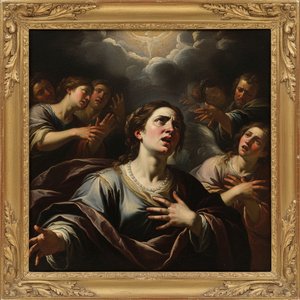
Chiaroscuro and Soul: A Definitive Guide to the Drama and Emotion of Italian Baroque Masterpieces
Embark on a sophisticated journey through Italian Baroque art. Discover the dramatic interplay of light and emotion in Caravaggio’s masterpieces and explore how to bring this timeless grandeur into your collection with expert art insights.
Baroque Painting's Greatest Hits: 10 Masterpieces for Your Home | OriginalUniqueArt
Journey through Baroque painting's glory! Explore 10 masterpieces by Caravaggio, Rembrandt & Vermeer. Discover dramatic lighting, rich colors & timeless stories. Find museum-quality art reproductions for your home at OriginalUniqueArt.com.