
 실제 크기로 보기
 보내기
보내기 공유하기
공유하기
 상세 보기
상세 보기 가이드 보기

 이미지 다운로드
 유사 작품 더 보기
 X-레이
X-레이 슬라이드 쇼 보기
 통계 정보
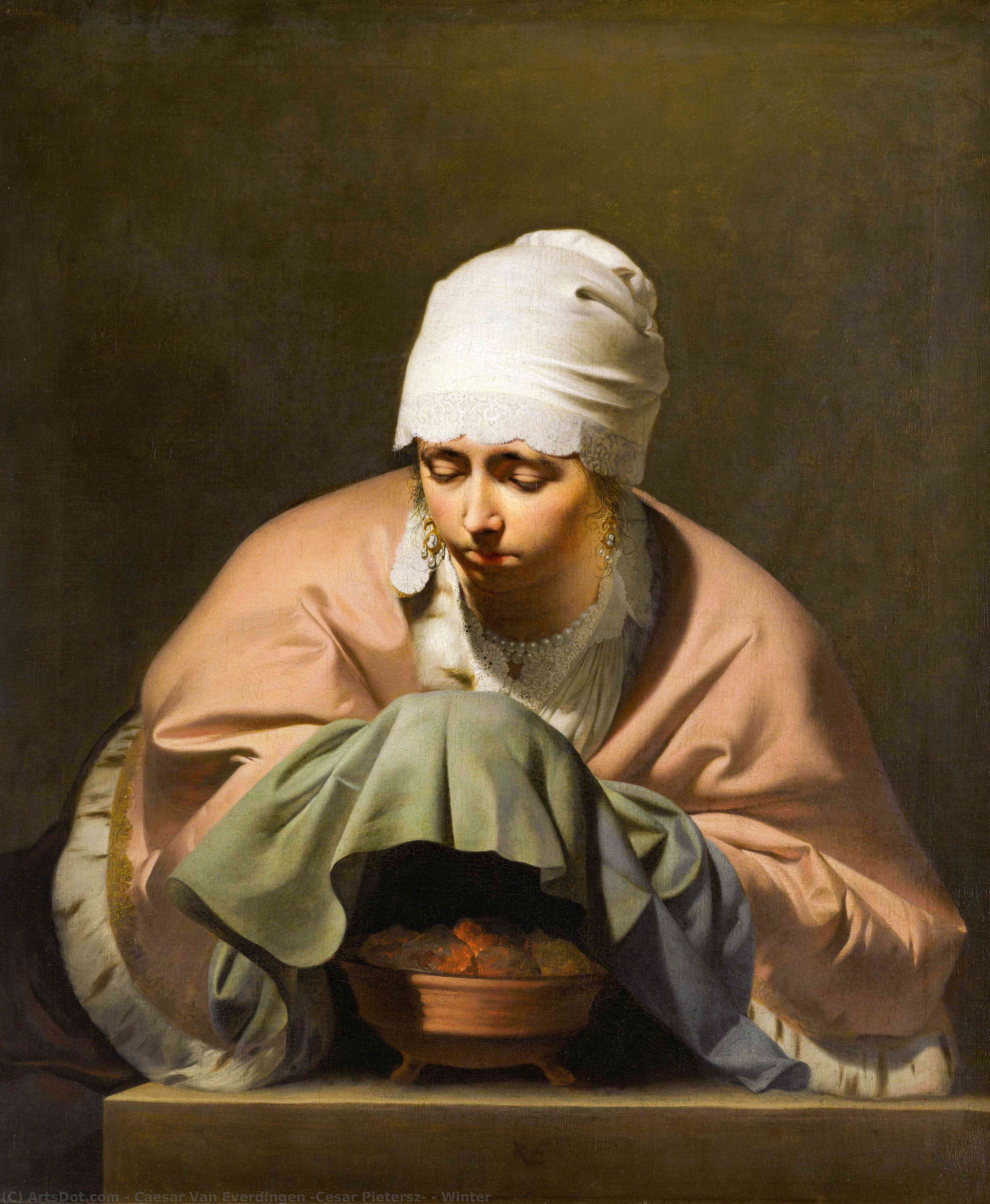
통계 정보Winter
 Oil On Canvas
- WallArt
- Dutch Golden Age
 1646
1646- Early Modern
 97.0 x 81.0 cm
 국립 미술관
 상세 보기
상세 보기
핸드메이드 유화 복제화
작가가 직접 캔버스에 손으로 그린 유화 작품으로, 원하는 크기와 액자로 맞춤 제작해 드립니다. ( 프린트 판매로 전환 디지털 이미지 판매 채널로 전환)




P118B ₩10

P118H ₩10

P118W ₩10

P438Z ₩10

P508JH ₩12

P508YH ₩12

P805H ₩10

P805Z ₩10

P919BZ ₩10

P919G ₩10

P919XJ ₩10

P959ZH ₩10

P968JZ ₩12

W106C ₩8

W218G ₩10

W218JH ₩8

W218Y ₩10

W307PJ ₩10

W316G ₩10

W316PJ ₩8

W316Y ₩10

W398PJ ₩8

W4111J ₩10

W500HY ₩15

W500JH ₩15

W692G ₩12

W849H ₩8

W940BG ₩15

W953PJ ₩8




작품의 원본 비율을 그대로 유지하는 프리셋 사이즈 중에서 선택해 보세요.

액자나 벽면 크기에 맞춰 필요한 가로와 세로 길이를 입력해 주세요. 본 작품은 수작업으로 제작되므로, 요청하신 비율에 따라 작가가 그림의 가장자리를 조금 더 넓게 그리거나 일부를 조정하여 작업할 수 있습니다. 작업 시작 전, 최종 확인을 위해 디지털 목업 이미지를 보내드립니다. 이 페이지에 표시된 이미지는 실제 결과물과 다를 수 있으며, 오직 목업 이미지만이 정확한 결과물을 보여줍니다.
주문 완료 후 OriginalUniqueArt.com 팀에서 상세 안내를 위해 고객님께 이메일을 보내드리며, 미리보기 시안을 함께 제공해 드립니다.


 유리 옵션은 110cm 미만 크기에서만 선택 가능합니다.

Winter
재현 매체
복제본 규격
-


총 결제 금액
₩ 407114
A Whisper of Winter's Stillness
To gaze upon Caesar Van Everdingen’s Winter is to step directly into the hushed, contemplative atmosphere of the Dutch Golden Age. This painting, executed in 1646, transcends a mere depiction of a season; it captures an ephemeral moment—a pause in the rhythm of daily life under the soft dominion of winter's breath. The composition immediately draws the eye to the central figure: a young woman whose presence is both delicate and profound. Clad in attire that speaks of quiet dignity, she holds forth a bowl, suggesting sustenance or perhaps a symbolic offering. The entire scene is imbued with a sense of gentle melancholy, inviting the viewer to slow their own hurried pace and simply observe.
Mastery of Light and Domestic Intimacy
Technically, the work showcases Van Everdingen’s remarkable skill in handling oil on canvas. While the subject matter hints at elements of still life—the bowl, the table setting—the narrative weight is carried by the human element. Notice how the artist employs light not just to illuminate, but to sculpt. The background recedes into a rich, dark depth, allowing the illuminated figures and objects in the foreground to emerge with startling clarity. This dramatic interplay of chiaroscuro, so characteristic of the period, gives the painting an almost three-dimensional presence. It is a masterclass in rendering texture—from the soft drape of the white veil to the implied smoothness of the table cloth.
Symbolism Woven into the Scene
The symbolism within Winter is rich and layered, inviting endless scholarly contemplation. The season itself often represents dormancy, reflection, or a necessary period of rest before renewal. Paired with the domestic setting and the offering in the bowl, one might interpret this as a meditation on provision, endurance, or perhaps even the passage of time itself. The young woman acts as a conduit for these deeper themes; her quiet demeanor suggests an inner life unfolding against the backdrop of seasonal change. For the collector or decorator, this depth means the piece offers more than mere decoration—it offers conversation.
Echoes of Dutch Golden Age Grandeur
Caesar Pietersz van Everdingen was a painter deeply rooted in the traditions and advancements of his time. His ability to blend historical narrative with intimate genre scenes marks him as a significant figure. Owning a reproduction of Winter allows one to bring the sophisticated aesthetic of 17th-century Dutch art into a contemporary space. It speaks to an appreciation for meticulous detail, skilled craftsmanship, and the profound humanism that defined the Golden Age. Whether placed in a formal drawing-room or a thoughtfully curated study, this artwork promises an immediate elevation of ambiance, wrapping any room in a cloak of timeless, artistic elegance.
질의응답
카이사르 판 에버딩언의 "Winter"은(는) 어떤 미술 사조에 속하나요?
카이사르 판 에버딩언의 "Winter"은(는) Dutch Golden Age 사조에 속합니다. 이 사조는 해당 작품의 양식적 배경을 제공합니다.
카이사르 판 에버딩언은(는) 몇 세에 "Winter"을(를) 제작했을까요?
카이사르 판 에버딩언은(는) 30세에 "Winter"을(를) 제작했습니다. 작가는 1616년에 태어났으며, 이 작품의 제작 연도는 1646년입니다.
"Winter"은(는) 몇 년도에, 어떤 사조의 작품인가요?
"Winter"은(는) 1646년에 Dutch Golden Age 사조의 작품으로 제작되었습니다. 제작 연도와 미술 사조는 미술사적 맥락에서 이 작품의 위치를 확고히 해줍니다.
작가 소개
빛과 선의 유산: 카이사르 판 에버딩엔의 생애
빛과 그림자의 상호작용이 한 국가의 시각적 정체성을 정의했던 네덜란드 회화의 황금기, 카이사르 판 에버딩엔은 섬세한 감정과 대기감 넘치는 깊이를 구현해낸 거장으로 등장했습니다. 1616년경 네덜란드의 역사적인 도시 알크마르에서 태어난 그의 예술적 여정은 가문의 명망 있는 혈통과 깊게 맞물려 있었습니다. 흔히 그의 유명한 형제들인 알라르트, 얀과 함께 거론되곤 하지만, 카이사르는 네덜란드 황금기 내에서 자신만의 독보적인 영역을 구축했습니다. 위대한 얀 게리츠 판 브론크호르스트 밑에서 받은 위트레흐트에서의 초기 교육은 그에게 고전 미학의 엄격한 토대를 마련해주었으며, 이는 훗날 단순한 기술적 숙련도를 넘어 진정한 예술적 비전에 도달할 수 있게 한 정교함의 밑거름이 되었습니다.
그의 본격적인 직업적 상승은 1632년 알크마르 길드에 공식적으로 가입하면서 시작되었습니다. 이 형성기 동안 그의 레퍼토리는 인간 조건에 대한 강렬한 관찰을 요구하는 세밀한 초상화와 정취 있는 풍속화로 특징지어졌습니다. 그러나 재능이 성숙해짐에 따라 그의 야망 또한 커져갔습니다. 그는 사실적인 묘사의 한계를 넘어, 붓터치를 자유자재로 다루어 빛의 찰나적인 미묘함과 대기의 무게감을 포착하는 독창적인 능력을 발전시켰습니다. 이러한 진화는 그가 숙련된 장인을 넘어 캔버스에 생명력을 불어넣을 수 있는 선구적인 화가로 변모했음을 상징합니다.
하를렘 시절과 원대한 야망
판 에버딩엔의 삶에서 결정적인 장은 1648년, 활기차고 문화적 풍요로움이 넘치는 도시 하를렘으로 이주하면서 펼쳐졌습니다. 이 이동은 단순한 환경의 변화 그 이상이었으며, 네덜란드 예술계의 심장부로 뛰어드는 몰입의 과정이었습니다. 명성 높은 하를렘 성 루카 길드에 가입하고 schutterij(시민군)에서 활동하며, 카이사르는 도시의 사회적, 정치적 엘리트 계층의 핵심부에 자리 잡았습니다. 이러한 인맥은 그의 역사적 중요성을 결정짓게 될 중요한 의뢰들을 확보하는 데 결정적인 역할을 했습니다.
그의 경력 중 가장 경이로운 업적은 아마도 헤이그의 훼이스 텐 보스 내에 있는 오란제 자알(오렌지 홀)의 장식 작업에 참여한 일일 것입니다. 이 기념비적인 과업은 서사적 복잡성과 거대한 규모를 동시에 요구하는 대형 역사화 분야의 숙련도를 필요로 했습니다. 이 무대에서 카이사르는 역사의 무게감과 섬세한 터치를 조화롭게 결합하여 서사적인 장면을 구성하는 탁월한 기량을 선보였습니다. 이 시기의 작업은 복잡한 구도를 다루는 그의 급성장한 능력을 입증했으며, 그의 이름을 네덜란드 건축 역사에 깊이 각인시키는 계기가 되었습니다.
예술적 성숙과 영원한 영향력
말년의 카이사르는 자신의 뿌리인 알크마르로 돌아가 예술 교육의 안식처가 된 작업실을 세웠습니다. 이 시기는 자신의 기법을 정교하게 다듬고 새로운 세대의 화가들을 양성하는 데 헌신했던 시기로 기억됩니다. 그의 후기 작품들은 평생에 걸쳐 축적된 지혜를 반영하며, 천상과 천상의 주제에 대한 반복적인 매료를 특징으로 합니다. 특히 그는 날개 달린 존재들, 즉 천사와 신성한 존재들을 묘며, 숭고함의 현존을 암시하는 부드러운 표현법으로 명성을 떨쳤습니다.카이사르 판 에버딩엔의 진정한 가치는 개별적인 걸작들에만 있는 것이 아니라, 17세기 초의 엄격한 전통과 이후 등장한 더욱 감성적이고 대기 중심적인 양식을 잇는 가교 역할을 했다는 점에 있습니다. 네덜란드 초상화의 정밀함과 역사적 서사의 웅장함을 결합한 그의 능력은 그의 다재다능함을 증명하는 유산으로 남아 있습니다. 오늘날 그의 작품들은 네덜란드 황금기의 영혼을 들여다보는 소중한 창 역할을 하며, 모든 붓터치가 찰나 속에서 영원을 포착하려 했던 그 시대의 열망을 우리에게 상기시켜 줍니다.

카이사르 판 에버딩언
1616 - 1678
작가 정보 요약
- Artistic Movement Or Style: 초상화 및 역사화
- Artists Who Influenced This Artist: ['Jan Gerritsz van Bronckhorst']
- Date Of Birth: 1616/17
- Date Of Death: 1678
- Full Name: Cesar Pietersz van Everdingen
- Nationality: 네덜란드
- Notable Artworks:
- Vertumnus and Pomona
- 손을 녹이고 있는 젊은 여성
- Place Of Birth: 네덜란드 알크마르
관련 기사

Illuminating Innovation: Exploring the Dutch Golden Age of Painting
Explore the Dutch Golden Age of painting with OriginalUniqueArt. Discover Rembrandt, Vermeer & other Masters. Learn about key characteristics, iconic artworks, and lasting influence. Expert insights for collectors & enthusiasts.

Golden Light & Dutch Skies: Bringing the Magic of Dutch Golden Age Landscapes into Your Home
Transform your home with the breathtaking light of Dutch Golden Age landscapes. Discover how hand-painted oil reproductions of masterworks like Ruisdael and Vermeer bring timeless elegance, atmosphere, and soulful texture to modern interiors. Elevate your space with museum-quality art.

네덜란드 황금 시대 예술의 정수를 담은 10대 걸작 탐구
렘브란트, 베르메르의 걸작부터 할스의 인물화까지! 네덜란드 황금시대 미술의 10대 명품을 만나보세요. 예술적 깊이와 아름다움을 담은 작품들을 OriginalUniqueArt에서 감상하고, 고품질 아트 프린트로 당신의 공간에 특별함을 더하세요. 지금 바로 OriginalUniqueArt.com에서 모든 걸작을 발견하세요!
Abraham Hendricksz van Beyeren: Pioneering Dutch Still Life & the Banquet Tradition
Explore the captivating world of Dutch Golden Age still life with Abraham van Beyeren. Discover his innovative techniques, symbolic banquet scenes & lasting influence on art history. Learn about collecting these masterpieces.

Golden Age Reflections: Dutch Baroque Painting & Cultural Innovation
Explore the Dutch Golden Age of painting! Discover key artists like Vermeer & ter Borch, their innovative techniques, and the rich cultural context behind these Baroque masterpieces. Learn about collecting & appreciating this iconic art period.