
 미리보기
미리보기
 프린트 구매
 공유하기
공유하기 공유하기
공유하기
 상세 정보
상세 정보

 다운로드
다운로드
 유사 작품
유사 작품 X-레이
X-레이 슬라이드 쇼
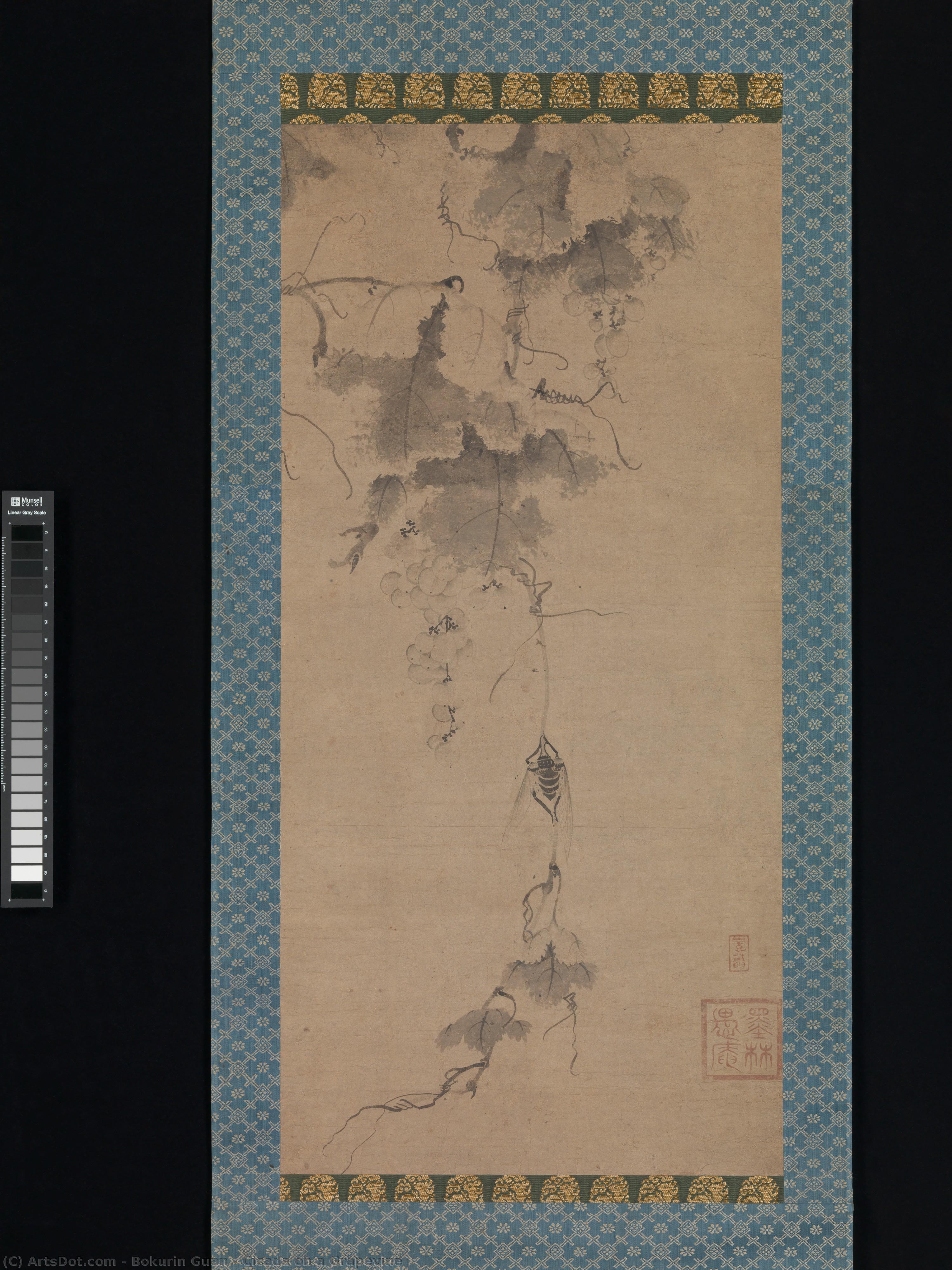
Cicada on a Grapevine
 Ink Painting
 301
301 64.0cm x 31.0cm
 더 보기
더 보기




































작품의 원본 비율을 유지하는 미리 설정된 크기 중에서 선택하세요.

특정 프레임이나 공간에 맞도록 직접 크기를 입력할 수 있습니다. 선택하신 크기가 원본 이미지의 비율과 일치하지 않는 경우, 작품을 자르거나 추가적인 손으로 그린 요소를 사용하여 그림을 확장합니다. 제작 시작 전 승인을 위해 디지털 목업을 보내드립니다.
화면 미리 보기는 실제 자르기 또는 확장을 반영하지 않습니다. 최종 구성은 목업을 통해서만 정확하게 확인하실 수 있습니다.
맞춤 크기 제작도 가능하지만, 원본 비율을 유지하기 위해 사전 정의된 목록에서 크기를 선택하시는 것을 권장합니다.
주문 후 OriginalUniqueArt.com 팀에서 상세 안내를 위해 고객님께 이메일을 보내드리며, 미리보기 시안을 제공해 드립니다.


 유리 옵션은 110cm 미만 크기에서만 선택 가능합니다.

Cicada on a Grapevine
재현 기법
복제본 크기
-


최종 결제 금액
$ 300
A Moment of Serenity: "Cicada on a Grapevine" by Bokurin Guan
This exquisite ink painting, “Cicada on a Grapevine,” offers a captivating glimpse into 14th-century Japanese artistry. Created by the Zen monk Bokurin Guan, this monochrome masterpiece embodies the principles of *sumi-e* (ink wash painting), a revered tradition emphasizing simplicity, observation, and spiritual contemplation. The artwork depicts a solitary cicada clinging to a withered grapevine, capturing a poignant moment at the close of summer. It was originally part of a diptych; its companion piece, now housed in Kyoto’s Honpōji temple, portrays a grasshopper amidst vibrant foliage – a contrasting scene representing the peak of summer's vitality.Style and Technique: The Essence of *Sumi-e*
Bokurin Guan demonstrates remarkable skill within the *sumi-e* tradition. The painting’s power lies not in elaborate detail, but in the masterful use of ink tones to suggest form, texture, and depth. Notice how varying brushstrokes – from delicate washes to bold lines – create a sense of movement and life despite the monochromatic palette. The artist's controlled handling of the brush reveals a disciplined technique honed through rigorous training. The subtle gradations of grey evoke the fading light of late summer, contributing to the painting’s overall mood of quiet reflection.- Monochrome Palette: The exclusive use of black ink emphasizes form and texture over color.
- Brushwork: A variety of brushstrokes create depth, movement, and a sense of spontaneity.
- *Sumi-e* Tradition: Rooted in Zen Buddhism, this style prioritizes simplicity and capturing the essence of nature.
Symbolism & Historical Context: Perpetuity and Zen Philosophy
Beyond its aesthetic beauty, "Cicada on a Grapevine" is rich with symbolic meaning. Grapevines, laden with fruit, have long been associated in East Asian cultures with fecundity, abundance, and the concept of perpetuity – an enduring cycle of life, death, and rebirth. The cicada itself holds significant cultural weight; its emergence from the earth after years spent underground symbolizes transformation and immortality. The pairing of these elements within a Zen Buddhist context suggests a meditation on impermanence and the cyclical nature of existence. Living in the late 14th century, Guan’s work reflects the artistic trends of the Muromachi period, characterized by a shift towards more naturalistic depictions and an increased emphasis on individual expression within established traditions. While little is definitively known about Bokurin Guan himself, his painting speaks volumes about his understanding of Zen principles and his keen observation of the natural world.Emotional Impact & Decorative Appeal
"Cicada on a Grapevine" evokes a sense of tranquility and contemplative stillness. The solitary cicada, poised against the backdrop of the fading vine, invites quiet reflection on the passage of time and the beauty of impermanence. This piece is not merely a depiction of nature; it's an invitation to mindfulness. As a decorative element, this reproduction would be stunning in a variety of settings – from minimalist modern spaces to traditional Japanese-inspired interiors. Its understated elegance and timeless appeal make it a captivating addition to any art collection or home décor scheme. The muted tones lend themselves well to both light and dark color palettes, creating a harmonious visual balance within the room.작가 약력
A Moment Frozen in Time: Bokurin Guan and the Legacy of Cicada on a Grapevine
The late Nanbokuchō period (1336–92) witnessed a flourishing artistic landscape in Japan, marked by intricate detail and profound contemplation. Amidst this vibrant scene emerged Bokurin Guan (墨林愚庵筆), an artist whose singular masterpiece – “Cicada on a Grapevine” – continues to resonate with scholars and admirers alike. While biographical details surrounding Guan remain elusive, his work speaks volumes about the artistic sensibilities of his era and establishes him as a pivotal figure in Japanese ink painting tradition.- Early Life & Artistic Training: Precise information regarding Guan’s birthdate and formative years is scarce. However, he was recognized as a student of Sesshu Toyokuni (西十字豊國), arguably Japan's most influential painter of the Nanbokuchō period. Sesshu championed a minimalist aesthetic rooted in Zen Buddhism—a philosophy that profoundly impacted Guan’s artistic vision.
- The Cicada on a Grapevine: This small but monumental painting, housed at The Metropolitan Museum of Art, exemplifies Guan's mastery of technique and his ability to distill complex ideas into deceptively simple forms. Executed in delicate ink wash (sumi-e), the scene depicts a single cicada clinging to a withered grapevine branch against a pale grey background. The composition is remarkably balanced, prioritizing spatial harmony over dramatic gesture.
- Influence & Legacy: Bokurin Guan’s “Cicada on a Grapevine” stands as a testament to the enduring power of minimalist aesthetics and contemplative observation. It has served as an inspiration for subsequent generations of ink painters, who sought to emulate Guan's serene style and profound understanding of Zen philosophy.
- Historical Significance: Guan’s work embodies the spirit of his time—a period marked by political instability yet simultaneously characterized by a deep appreciation for natural beauty and spiritual contemplation. “Cicada on a Grapevine” remains a cornerstone of Japanese art history, demonstrating that true artistic achievement lies not in grand spectacle but in capturing the essence of existence with understated grace.

bokurin guan
Japan
주요 정보
- Artistic Movement Or Style: Ink Painting
- Full Name: bokurin guan
- Nationality: Japanese
- Notable Artworks: ['Cicada on a Grapevine']
- Place Of Birth: Tokyo, Japan
관련 기사 더 보기
The Alchemy of Ink: Mastering the Timeless Beauty and Art History of Paper and Brush
Embark on a sophisticated exploration of ink wash painting and Sumi-e. Uncover the profound historical lineages, Zen philosophies, and technical mastery behind this timeless medium in our authoritative guide for fine art enthusiasts.

Ephemeral Expressions: Exploring the Nuances of Ink on Paper Through History & Contemporary Art
Explore the captivating world of ink wash painting – from its ancient origins to contemporary masters. Discover techniques, symbolism & conservation insights with OriginalUniqueArt.com.

가츠시카 호쿠사이 최고 걸작 25선: 우키요에의 정수를 만나다 | OriginalUniqueArt
가츠시카 호쿠사이의 최고 걸작 25선을 만나보세요. 우키요에, 대판화 기법과 후지산 풍경의 아름다움을 담은 명작들을 감상하고, OriginalUniqueArt에서 고품질 아트 프린트와 인테리어 액자를 찾아보세요. 지금 바로 컬렉션을 탐험하세요!

Zen on Canvas: The Timeless Beauty and Spiritual Depth of Japanese Landscape Painting
Explore the profound serenity of Japanese landscape painting. From Hokusai's waves to Zen-inspired ink washes, discover the history, technique, and spiritual depth of Ukiyo-e masters in this expert art historical guide for collectors and enthusiasts.
Serenity on Canvas: A Guide to the Timeless Beauty of Japanese Landscape Painting
Discover the serene beauty of Japanese landscape painting. From Hokusai's iconic woodblock prints to meditative sumi-e ink washes, explore a visual journey through the 'floating world' and learn how to bring this timeless Zen aesthetic into your modern home decor.

