

 미리보기
미리보기
 공유하기
공유하기 공유하기
공유하기
 상세 정보
상세 정보

 다운로드
다운로드
 유사 작품
유사 작품 X-레이
X-레이 슬라이드 쇼
 통계 정보
통계 정보Lamplight
 1901
1901 76.0 x 64.0 cm
 더 보기
더 보기
수제 유화 복제품
원하는 크기와 액자로 주문 제작되는, 작가들이 직접 캔버스에 손으로 그린 유화 작품입니다. ( 프린트 판매로 전환 디지털 이미지로 전환)




































작품의 원본 비율을 유지하는 미리 설정된 크기 중에서 선택하세요.

특정 프레임이나 공간에 맞도록 직접 크기를 입력할 수 있습니다. 선택하신 크기가 원본 이미지의 비율과 일치하지 않는 경우, 작품을 자르거나 추가적인 손으로 그린 요소를 사용하여 그림을 확장합니다. 제작 시작 전 승인을 위해 디지털 목업을 보내드립니다.
화면 미리 보기는 실제 자르기 또는 확장을 반영하지 않습니다. 최종 구성은 목업을 통해서만 정확하게 확인하실 수 있습니다.
맞춤 크기 제작도 가능하지만, 원본 비율을 유지하기 위해 사전 정의된 목록에서 크기를 선택하시는 것을 권장합니다.
주문 후 OriginalUniqueArt.com 팀에서 상세 안내를 위해 고객님께 이메일을 보내드리며, 미리보기 시안을 제공해 드립니다.


 유리 옵션은 110cm 미만 크기에서만 선택 가능합니다.

Lamplight
재현 기법
복제본 크기
-


최종 결제 금액
$ 300
작가 약력
A Fleeting Glimpse: The Life and Art of Bessie MacNicol
The name Bessie MacNicol resonates softly within the annals of late 19th-century Scottish painting, a whisper of talent tragically cut short. Born Elizabeth MacNicol in Glasgow on July 5, 1869, her life spanned just thirty-four years, yet within that brief period she carved out a significant place for herself amongst the progressive artists known as the Glasgow Girls. Her story is one of artistic promise nurtured by a supportive environment, tempered by personal struggles, and ultimately overshadowed by untimely loss – a narrative that adds poignancy to her delicate and evocative canvases. Growing up in a household marked by both intellectual stimulation—her father was a teacher and school principal—and sorrow, as several siblings succumbed to illness in infancy, Bessie developed a sensitivity that would profoundly inform her artistic vision. A predisposition to allergies meant summers were often spent indoors, perhaps fostering an introspective nature that found expression through the careful observation of light and form.From Glasgow School to Parisian Studios
MacNicol’s formal artistic journey began at the Glasgow School of Art in 1887, a pivotal institution then brimming with creative energy under the guidance of Francis Henry Newbery. It was Newbery who championed her talent and encouraged her to broaden her horizons by studying in Paris at the Académie Colarossi in 1892-1893. This opportunity was particularly noteworthy for a woman artist of the time, as it allowed access to training alongside male peers – a relatively new prospect. However, MacNicol found the Parisian experience less than inspiring, feeling stifled rather than encouraged by the prevailing atmosphere. Despite this disappointment, her time abroad undoubtedly exposed her to new artistic currents and solidified her commitment to pursuing painting professionally. Upon returning to Scotland, she established a studio in Glasgow, ready to forge her own path within the vibrant art scene of the city.Impressionistic Sensibilities and Scottish Light
MacNicol’s artistic style was a compelling synthesis of various influences. She embraced the *plein air* tradition championed by the Barbizon School, prioritizing direct observation of nature and capturing its fleeting effects. This approach is evident in her landscapes, which are imbued with a sense of immediacy and atmospheric realism. Simultaneously, she drew inspiration from the tonal harmonies and subtle color palettes of James McNeill Whistler, as well as the innovative spirit of her contemporaries within the Glasgow Boys movement, notably Edward Atkinson Hornel, whom she would later portray in a striking portrait during a sojourn in Kirkcudbright. Her paintings are characterized by a masterful command of color, light, and texture, creating canvases that shimmer with life. MacNicol’s portraits, in particular, stand out for their solid composition and psychological depth, revealing her ability to capture not just likeness but also the inner lives of her subjects. Critics praised her “dextrous touch and expressive colour,” drawing comparisons to Berthe Morisot – a testament to her skill and sensitivity. She frequently depicted young women posed outdoors, bathed in dappled sunlight filtering through leaves, creating distinctive patterns of light and shadow that define much of her oeuvre.A Legacy Interrupted
MacNicol’s career reached its peak with exhibitions at the Royal Scottish Academy, the Royal Glasgow Institute, and even international venues like the Munich Secession. Her marriage to Alexander Frew, a physician and artist, in 1899 brought personal happiness, but her artistic output was tragically curtailed by her death on June 4, 1904, during late-stage pregnancy due to complications. The loss of both mother and child was devastating. Further tragedy struck when Frew himself took his own life in 1908, after remarrying; his second wife subsequently sold MacNicol’s paintings and papers, contributing to their relative scarcity today. Despite this dispersal, her work has gradually been reassessed and celebrated as a vital contribution to the Glasgow Girls movement – a collective of female artists who challenged conventional norms and made a lasting impact on Scottish art. Today, examples of her work can be found in the Kelvingrove Museum and the Hunterian Museum and Art Gallery in Glasgow, offering glimpses into the talent of an artist whose potential remained tantalizingly unrealized. The recent acquisition by the National Galleries of Scotland of “The Lilac Sunbonnet” (2024) is a testament to her growing recognition and enduring appeal. Bessie MacNicol’s story serves as a poignant reminder of the many artistic voices lost to time, yet whose legacy continues to inspire and captivate.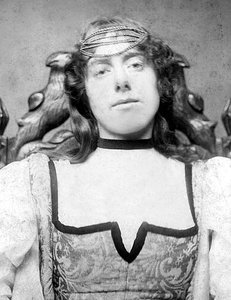
Bessie MacNicol
1869 - 1904 , United Kingdom
주요 정보
- Artistic Movement Or Style: Impressionism
- Artists Or Movements Influenced By This Artist: ['Glasgow Girls']
- Artists Who Influenced This Artist:
- Whistler
- Barbizon School
- Glasgow Boys
- Date Of Birth: July 5, 1869
- Date Of Death: June 4, 1904
- Full Name: Elizabeth MacNicol
- Nationality: Scottish
- Notable Artworks:
- Self Portrait
- Deborah
- Portrait of a Lady Phyllis
- Place Of Birth: Glasgow, UK