
 미리보기
미리보기
 공유하기
공유하기 공유하기
공유하기
 상세 정보
상세 정보

 다운로드
다운로드
 유사 작품
유사 작품 X-레이
X-레이 슬라이드 쇼
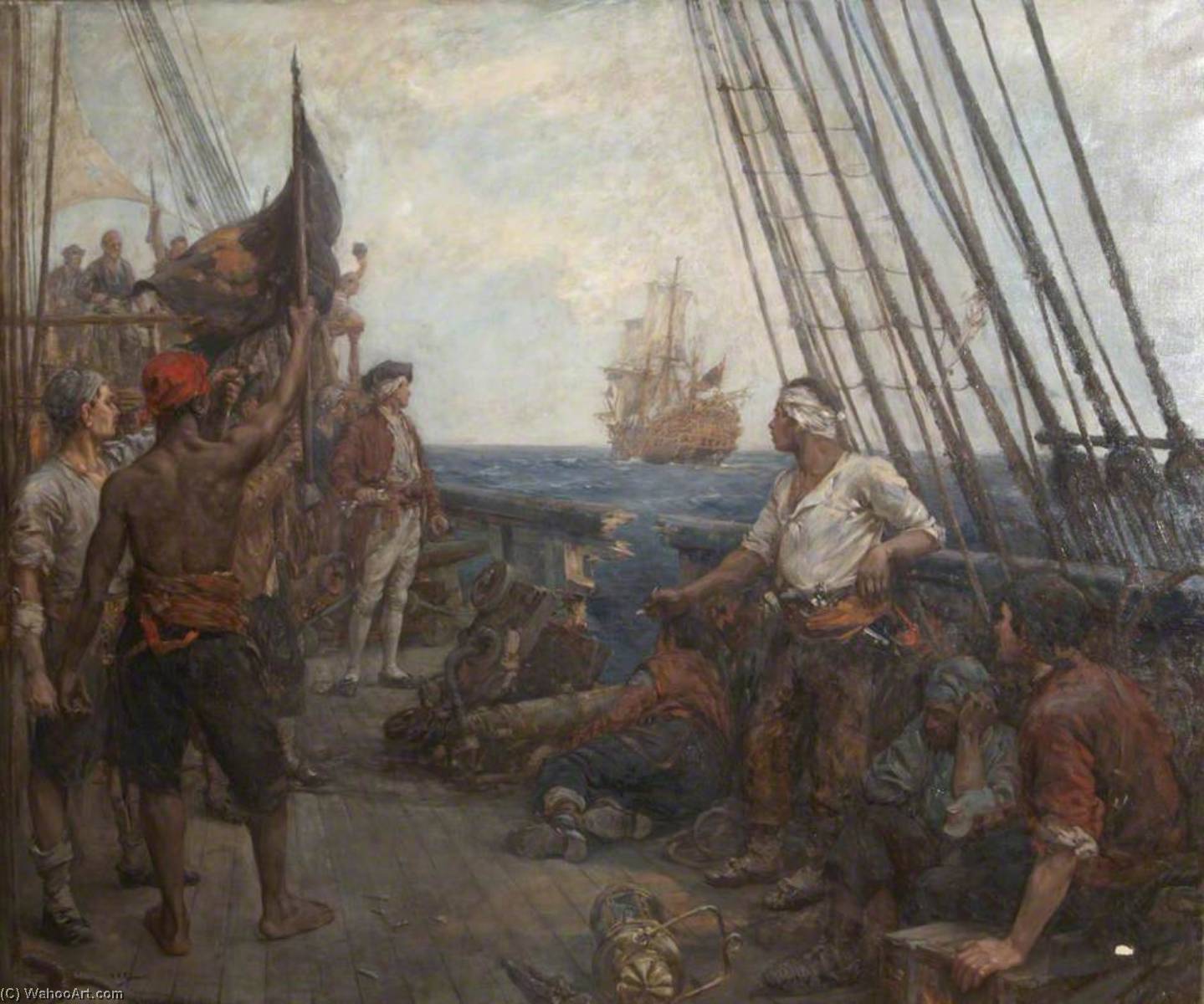
Defiance
 151.0 x 181.0 cm
 더 보기
더 보기
지클레 / 아트 프린트
빠른 제작과 다양한 마감 옵션을 제공하는 박물관 품질의 지클레이 또는 캔버스 프린트. ( 손으로 그린 그림 구매 이미지 구매)




































작품의 원본 비율을 유지하는 미리 설정된 크기 중에서 선택하세요.

특정 프레임이나 공간에 맞춰 직접 치수를 입력하실 수 있습니다. 선택하신 사이즈가 원본 이미지의 비율과 일치하지 않을 경우, 작품을 크롭(자르기)하거나 이미지를 대칭 또는 단색 채우기로 확장하여 제작합니다. 제작 시작 전, 최종 확인을 위해 디지털 목업이 전송됩니다.
화면상의 미리보기는 실제 크롭이나 확장 상태를 반영하지 않으므로, 최종 구도는 오직 목업을 통해서만 정확하게 확인하실 수 있습니다.
맞춤 사이즈 제작도 가능하지만, 원본 비율을 유지하기 위해서는 사전 정의된 목록에서 치수를 선택하시는 것을 권장합니다.


 유리 옵션은 110cm 미만 크기에서만 선택 가능합니다.

Defiance
지클레 / 아트 프린트
복제본 크기
-


최종 결제 금액
$ 80
작가 약력
The Chronicles of the Sea: The Life and Legacy of Bernard Finnigan Gribble
In the vast, churning expanse of British maritime history, few artists have captured the salt-sprayed drama and the quiet, rhythmic pulse of the ocean with as much devotion as Bernard Finnigan Gribble. Born on May 10, 1872, in the vibrant heart of South Kensington, London, Gribble emerged from a lineage of architectural precision—being the son of the architect Herbert Augustine Keate—yet his soul was irrevocably drawn to the fluid, unpredictable nature of the sea. While his early years were shaped by the structured elegance of Victorian London, his artistic destiny lay far beyond the city's stone facades, moving instead toward the horizon where the sky meets the restless waves.
Gribble’s journey as an artist was one of profound specialization and singular focus. Although he possessed the versatility to paint evocative landscapes and intimate portraits, he found his true calling in the realm of marine subjects. He became a master storyteller of the high seas, utilizing both the fine tip of an illustrator's pen and the broad, expressive strokes of an oil painter to document the grandeur of naval history. His work often functioned as a bridge between historical record and romantic imagination, bringing to life the historical tableaux of great sailing vessels, the tension of naval engagements, and the bustling energy of ports at dusk.
A Mastery of Light, Motion, and Maritime Detail
To observe a Gribble masterpiece is to experience the sensory reality of maritime life. His technique underwent a fascinating evolution, moving from the meticulous, almost scientific accuracy required for naval illustrations toward a more emotive, Impressionistic approach. In his later works, one can sense the influence of the Impressionist movement, where he began to prioritize the play of light upon water and the atmospheric haze of a coastal morning over rigid anatomical detail. This stylistic shift allowed him to capture not just the physical structure of a ship, but the very spirit of the sea itself.
His technical prowess was particularly evident in his handling of complex maritime elements:
- The Architecture of Ships: Gribble possessed an uncanny ability to render the intricate rigging, heavy hulls, and weathered textures of vessels ranging from ancient galleons to contemporary steam-powered ships.
- Atmospheric Depth: Through a sophisticated use of color palettes—ranging from soft, muted tones in his Dorset landscapes to vibrant, fiery hues in scenes of naval combat—he could manipulate the viewer's perception of weather and time.
- The Dynamics of Water: Whether depicting the serene, glass-like surface of Poole Harbour or the violent, white-capped surges of a storm, his brushwork conveyed the weight and movement of the ocean with unparalleled realism.
Historical Significance and Enduring Influence
Gribble’s contributions to British art extend far beyond mere decoration; he served as a visual chronicler of an era defined by maritime expansion and naval prestige. His commissions from naval authorities and publishers ensured that his depictions of significant maritime events reached a wide audience, cementing his reputation as a premier illustrator of the sea. Works such as The Return of the Argosy Galleons and Lifeboat, 'Fredrick Angus' stand as enduring testaments to his ability to evoke both the heroism and the inherent peril of seafaring life.
As we look back on his prolific career, which spanned until his passing in 1962, Gribble remains a pivotal figure for collectors and historians alike. He did not merely paint ships; he painted the human relationship with the infinite ocean. His ability to blend the precision of an illustrator with the soul of an Impressionist ensures that his work continues to resonate, inviting every viewer to step onto the deck of a phantom vessel and sail into the golden light of a bygone maritime age.

bernard finnigan gribble
1872 - 1962
주요 정보
- Artistic Movement Or Style: Marine Art
- Date Of Death: 1962
- Full Name: Bernard Finnigan Gribble
- Nationality: British
- Notable Artworks:
- Lifeboat
- The Purbecks from Poole Harbour, Dorset
- Morgan's Prize

