

 미리보기
미리보기
 프린트 구매
 공유하기
공유하기 공유하기
공유하기
 상세 정보
상세 정보

 다운로드
다운로드
 유사 작품
유사 작품 X-레이
X-레이 슬라이드 쇼
Boy with a Flute
 Acrylic On Canvas
- WallArt
- Baroque Portraiture
 1720
1720 42.0 x 33.0 cm
 에르미타주 박물관
 더 보기
더 보기




P118B $10

P118H $10

P118W $10

P438Z $10

P508JH $12

P508YH $12

P805H $10

P805Z $10

P919BZ $10

P919G $10

P919XJ $10

P959ZH $10

P968JZ $12

W106C $8

W218G $10

W218JH $8

W218Y $10

W307PJ $10

W316G $10

W316PJ $8

W316Y $10

W398PJ $8

W4111J $10

W500HY $15

W500JH $15

W692G $12

W849H $8

W940BG $15

W953PJ $8




작품의 원본 비율을 유지하는 미리 설정된 크기 중에서 선택하세요.

특정 프레임이나 공간에 맞도록 직접 크기를 입력할 수 있습니다. 선택하신 크기가 원본 이미지의 비율과 일치하지 않는 경우, 작품을 자르거나 추가적인 손으로 그린 요소를 사용하여 그림을 확장합니다. 제작 시작 전 승인을 위해 디지털 목업을 보내드립니다.
화면 미리 보기는 실제 자르기 또는 확장을 반영하지 않습니다. 최종 구성은 목업을 통해서만 정확하게 확인하실 수 있습니다.
맞춤 크기 제작도 가능하지만, 원본 비율을 유지하기 위해 사전 정의된 목록에서 크기를 선택하시는 것을 권장합니다.
주문 후 OriginalUniqueArt.com 팀에서 상세 안내를 위해 고객님께 이메일을 보내드리며, 미리보기 시안을 제공해 드립니다.


 유리 옵션은 110cm 미만 크기에서만 선택 가능합니다.

Boy with a Flute
재현 기법
복제본 크기
-


최종 결제 금액
$ 300
Benedetto Luti’s “Boy with a Flute”: A Masterpiece of Pastel Elegance
The Florentine artist Benedetto Luti (1666–1724) stands as an extraordinary figure in Baroque art, particularly renowned for his pioneering use of pastel—a technique that would profoundly influence subsequent generations of painters. While biographical details remain somewhat sparse, Luti’s artistic journey was undeniably shaped by the vibrant cultural landscape of Florence, where he absorbed the legacy of Renaissance grandeur and embraced burgeoning creative impulses. His relocation to Rome marked a pivotal moment in his career, propelling him into the epicenter of Baroque innovation and establishing him as an artist celebrated not merely for technical prowess but for audacious experimentation—a willingness to transcend established conventions and explore uncharted artistic territories.A Portrait Steeped in Symbolism
“Boy with a Flute,” painted circa 1720, exemplifies Luti’s distinctive approach to portraiture. Unlike the opulent grandeur often associated with Baroque commissions, this piece exudes understated elegance—a hallmark of Luti's stylistic signature. The subject is depicted in meticulous detail: a young boy seated against a muted wall backdrop, holding a flute poised delicately near his mouth. This seemingly simple composition belies a wealth of symbolic significance. The flute itself represents musical artistry and intellectual contemplation—themes frequently explored by Baroque artists as expressions of humanist ideals. Furthermore, the boy’s gaze directly engages the viewer, fostering a sense of intimacy and inviting reflection on themes of youthfulness, innocence, and aspiration.Technique: Pastel – A Revolutionary Medium
Luti's brilliance lay not only in his compositional vision but also in his masterful manipulation of pastel—a medium he championed as a final artistic finish. Prior to Luti’s breakthrough, artists predominantly utilized oil paints for portraiture, resulting in canvases characterized by rich textures and vibrant hues. Pastel offered an entirely different aesthetic experience—one defined by luminosity, softness, and ethereal delicacy. By applying pigment mixed with chalk or powdered pastel onto prepared paper, Luti achieved unparalleled tonal subtlety and nuanced color gradations that surpassed the capabilities of oil paint. This innovative technique allowed for a captivating illusion of depth and luminescence, capturing fleeting expressions of emotion with remarkable precision.Historical Context: The Rococo’s Delicate Influence
“Boy with a Flute” emerged during the transitional period between Baroque and Rococo styles—a moment when artistic sensibilities were shifting toward greater refinement and ornamentation. While Luti firmly rooted his work in Baroque principles, he undeniably absorbed influences from the burgeoning Rococo movement, which favored pastel hues, asymmetrical compositions, and playful decorative motifs. This fusion of stylistic elements underscores Luti’s artistic adaptability and demonstrates his ability to synthesize disparate traditions into a cohesive visual language—a testament to his enduring legacy as an innovator who reshaped the contours of European art history.Emotional Resonance: Capturing Transient Beauty
Ultimately, “Boy with a Flute” transcends mere representation; it embodies Luti’s profound understanding of human psychology and his capacity to evoke emotional resonance within the viewer. The painting's muted palette—dominated by shades of blue and white—creates an atmosphere of serenity and contemplation—reflecting the boy’s serene demeanor and conveying a sense of timeless beauty. Through meticulous attention to detail and masterful tonal control, Luti captures not only the physical appearance of his subject but also his inner spirit—a feat accomplished with remarkable sensitivity and artistic conviction. This enduring masterpiece continues to inspire admiration for its elegance, subtlety, and profound emotional impact.- Artist: Benedetto Luti
- Year: 1720
- Medium: Pastel on Paper
- Location: Hermitage Museum
- Boy with a Flute by LUTI, Benedetto – Web Gallery of Art
- Benedetto Luti – Artists Database
- Boy with a Flute – Artworks Database
- File:Boy with the flute Benedetto Luti (1720).jpg – Wikimedia Commons
관련 기사 더 보기

화려함 속에 감춰진 진실! 바로크 미술을 정의한 10대 걸작 탐구
화려함과 극적인 표현이 압권! 바로크 미술을 대표하는 10대 걸작의 숨겨진 이야기를 만나보세요. 베르니니, 루벤스 등 거장의 작품부터 바로크 색감, 예술적 기법까지 – OriginalUniqueArt.com에서 명품 복제 & 인테리어 영감을 얻으세요! 지금 바로 컬렉션을 탐험해보세요.

바로크의 드라마: 현대 인테리어에 풍요로움과 감동을 불어넣기
바로크 예술의 풍요로운 세계를 탐험하고, 현대 인테리어에 감동을 불어넣는 방법을 OriginalUniqueArt에서 만나보세요. 카라바조, 렘브란트 등 거장들의 작품과 키아로스쿠로 기법 활용 노하우를 공개합니다.
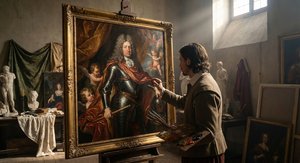
The Grandeur of Baroque Portraiture: Power, Emotion & Artistic Innovation
Explore the grandeur of Baroque portraiture! Discover Rubens, Van Dyck & the masters of 17th-century art. Uncover symbolism, techniques & lasting influence. Expert insights for collectors and enthusiasts.

Baroque Classicism: The Grandeur of Order and Drama in 17th-Century Art History
Explore the profound elegance of Baroque Classicism. Discover how 17th-century masters synthesized dramatic emotion with classical order through the lens of the Counter-Reformation and the works of legends like Carlo Maratta and Andrea Sacchi.
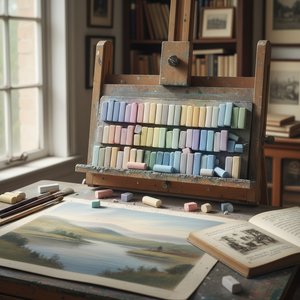
The Subtleties of Pastel: A Comprehensive Exploration of Technique, History & Emotional Resonance
Explore the captivating world of pastel art! Discover its rich history, Impressionistic masters like Degas, emotional power & unique techniques. Find museum-quality reproductions at OriginalUniqueArt.


.jpg)