

 실제 크기로 보기
 보내기
보내기 공유하기
공유하기
 상세 보기
상세 보기 가이드 보기

 이미지 다운로드
 유사 작품 더 보기
 X-레이
X-레이 슬라이드 쇼 보기
 통계 정보
통계 정보Beatrice d'Este

 상세 보기
상세 보기
핸드메이드 유화 복제화
작가가 직접 캔버스에 손으로 그린 유화 작품으로, 원하는 크기와 액자로 맞춤 제작해 드립니다. ( 프린트 판매로 전환 디지털 이미지 판매 채널로 전환)




































작품의 원본 비율을 그대로 유지하는 프리셋 사이즈 중에서 선택해 보세요.

특정 프레임이나 공간에 맞춰 원하는 크기를 직접 입력하실 수 있습니다. 선택하신 크기가 원본 이미지의 비율과 일치하지 않을 경우, 작품을 자르거나 추가적인 수작업 요소를 더해 그림을 확장하여 제작합니다. 제작 시작 전, 최종 확인을 위해 디지털 목업을 보내드립니다.
화면상의 미리 보기는 실제 크롭(자르기)이나 확장된 상태를 완벽히 반영하지 않을 수 있습니다. 최종 구도는 오직 목업을 통해서만 정확하게 확인하실 수 있습니다.
맞춤 크기 제작도 가능하지만, 원본의 비율을 그대로 유지하기 위해서는 미리 정의된 목록에서 크기를 선택하시는 것을 권장합니다.
주문 완료 후 OriginalUniqueArt.com 팀에서 상세 안내를 위해 고객님께 이메일을 보내드리며, 미리보기 시안을 함께 제공해 드립니다.


 유리 옵션은 110cm 미만 크기에서만 선택 가능합니다.

Beatrice d'Este
재현 매체
복제본 규격
-


총 결제 금액
$ 300
A Glimpse into Renaissance Elegance: Bartolomeo Veneto's "Beatrice d'Este"
Bartolomeo Veneto’s portrait of Beatrice d'Este is a captivating window into the High Renaissance, offering a moment frozen in time. This exquisite artwork presents a young woman of undeniable grace and dignity, rendered with meticulous detail that exemplifies the artistic ideals of the era. The composition centers on Beatrice, utilizing a classic pyramidal structure to convey stability and balance—a hallmark of Renaissance portraiture.
Style & Technique: Echoes of Leonardo
Veneto’s style demonstrates a clear lineage from earlier masters, particularly Leonardo da Vinci. While not as dramatically executed as Da Vinci's sfumato technique (the subtle blurring of lines to create an atmospheric effect), the portrait showcases a similar softness and diffused lighting that gently illuminates Beatrice’s face and clothing. The artist employs oil on canvas, allowing for rich color blending and nuanced gradations of light and shadow. Noticeable impasto techniques—thickly applied paint—are particularly evident in the intricate gold embroidery adorning her garment, adding texture and visual interest. The smooth, flowing lines defining Beatrice’s form and drapery demonstrate Veneto's mastery of anatomical detail and fabric rendering.
Historical Context & Symbolism
Created during a period of significant artistic flourishing in Venice and Northern Italy (circa 1502-1555), this portrait reflects the growing importance of individual representation. Renaissance portraits were not merely likenesses; they served as powerful statements of wealth, status, and lineage. Beatrice d'Este herself was a member of a prominent noble family, and her portrait would have been commissioned to solidify her position within society. The luxurious fabrics, elaborate jewelry, and serene expression all contribute to this symbolic representation of high social standing. The hazy landscape background, while somewhat flattened in perspective—typical of the era—hints at a broader world beyond Beatrice’s immediate presence.
Emotional Impact & Artistic Legacy
Beyond its technical brilliance, "Beatrice d'Este" evokes a sense of quiet contemplation and timeless elegance. The subject’s serene expression invites viewers to connect with her on a personal level, fostering a feeling of intimacy despite the formality of the portrait. Bartolomeo Veneto, though less widely known than some of his contemporaries, was a significant figure in Venetian art, demonstrating an ability to capture both physical likeness and psychological depth. His influence can be seen in later generations of portrait artists, solidifying his place within the rich tapestry of Renaissance artistic achievement.
Why Acquire a Reproduction?
- Timeless Beauty: Bring the refined elegance of the High Renaissance into your home or office.
- Exceptional Detail: Our hand-painted reproductions capture the nuances and textures of Veneto's original masterpiece.
- Conversation Starter: A stunning piece of art that sparks interest and appreciation for artistic history.
- Investment in Art History: Own a tangible connection to one of the most influential periods in Western art.
작가 소개
A Venetian Hand: The Life and Art of Bartolomeo Veneto
Bartolomeo Veneto, a name that whispers of Renaissance elegance and subtle psychological depth, remains an intriguing figure in the panorama of 16th-century Italian painting. Active between approximately 1502 and 1531, his career unfolded across Venice, the mainland territories of the Veneto region, and the vibrant artistic hub of Lombardy. Unlike many of his contemporaries whose lives are richly documented, Bartolomeo’s story is pieced together from the scant evidence of signatures on his works, dates inscribed upon them, and a careful analysis of stylistic evolution. This relative obscurity only adds to the mystique surrounding an artist celebrated for portraits that capture not merely likeness but also a profound sense of individual character.Early Training and Venetian Roots
Bartolomeo’s artistic journey began in Venice, where he entered the workshop of Gentile Bellini, a prominent master known for his detailed realism and narrative skill. This formative period undoubtedly instilled in Bartolomeo a meticulous approach to technique and an appreciation for refined observation. His earliest surviving paintings – small devotional pictures dating from around 1502 – reveal this early influence. These works, though modest in scale, demonstrate a delicate hand and a commitment to traditional Venetian artistic values. Significantly, the signature on his *Virgin and Child* of 1502 offers a fascinating glimpse into his identity: “Bartolomeo half-Venetian and half-Cremonese.” This intriguing inscription suggests a mixed heritage, perhaps indicating familial ties to Cremona, and importantly, points to an early exposure to diverse artistic traditions. The reference to the Cremonese school, founded by Giulio Campi, hints at a broader stylistic awareness beyond the confines of Venice itself.The Rise of Portraiture and Courtly Commissions
As the 16th century progressed, Bartolomeo astutely recognized a growing demand for portraiture within Venetian society. He skillfully adapted his subject matter to cater to this evolving taste, transitioning from smaller devotional works to more ambitious portraits that celebrated the status and individuality of his sitters. Between 1505 and 1507, records indicate he served as “Bartolomeo da Venetia” at the Este court in Ferrara, a center of refined culture and artistic patronage. There, he undertook diverse tasks – gilding frames, creating festive decorations, and painting religious compositions – broadening his skills and exposure to different artistic demands. This period likely fostered the decorative emphasis that would become characteristic of his style.Leonardo’s Influence and Milanese Success
Around 1520, Bartolomeo relocated to Milan, a city still resonating with the legacy of Leonardo da Vinci. It was here that his artistic voice truly matured, absorbing the lessons of the master who had profoundly transformed portraiture in Italy. The influence of Leonardo is palpable in Bartolomeo’s later works – a subtle sfumato softening forms, an increased psychological complexity in his sitters, and a heightened attention to atmospheric effects. He quickly gained prominence in Milan, securing numerous commissions from wealthy patrons eager for portraits that conveyed both social standing and inner life. Paintings like *Portrait of Ludovico Martinengo* (1530) exemplify this mature style, showcasing a masterful command of volume, depth, and nuanced expression.A Legacy of Elegance and Intimacy
Despite achieving considerable success during his lifetime, Bartolomeo Veneto’s oeuvre remains relatively small – approximately forty paintings are generally attributed to him, with only nine bearing his signature. He appears to have received few public commissions, focusing instead on private portraiture for a discerning clientele. His portraits, often half-length depictions of elegantly dressed young men and women, stand out for their meticulous detail, rich color palettes, and the psychological insight they offer into the sitters’ personalities. While he never achieved the widespread fame of contemporaries like Titian or Raphael, Bartolomeo Veneto carved a unique niche for himself as a painter of refined elegance and intimate character – a Venetian hand capable of capturing not just appearances but also the subtle nuances of the human spirit. His work continues to captivate viewers with its quiet beauty and enduring psychological depth, offering a compelling glimpse into the world of Renaissance Italy.
bartolomeo veneto
1502 - 1555
작가 정보 요약
- Artistic Movement Or Style: Renaissance Art
- Artists Who Influenced This Artist:
- Gentile Bellini
- Leonardo da Vinci
- Date Of Birth: 1502
- Date Of Death: 1555
- Full Name: Bartolomeo Veneto
- Nationality: Italian
- Notable Artworks:
- Beatrice d'Este
- Portrait of a Noble Man
- Saint Catherine
- Place Of Birth: Venice, Italy
관련 기사
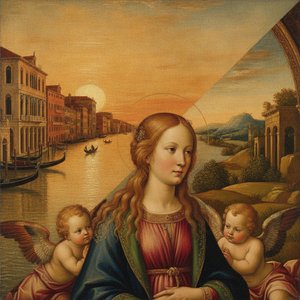
Golden Light & Rich Color: The Timeless Magic of Venetian Renaissance Art
Explore the luminous beauty of Venetian Renaissance art. Discover how masters like Titian used colorito and golden light to redefine painting through texture, emotion, and atmospheric brilliance in a masterclass of historical artistry.
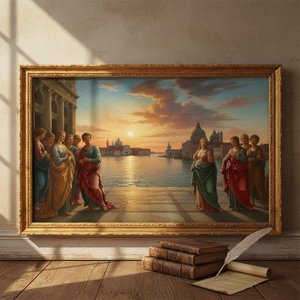
Venetian Renaissance: The Golden Age of Color, Light, and Luminous Artistry
Embark on a journey through the Venetian Renaissance. Discover how masters like Giorgione and Titian revolutionized art through luminous color and light. Explore the profound legacy of the Venetian School and its enduring influence on the world of fine art.
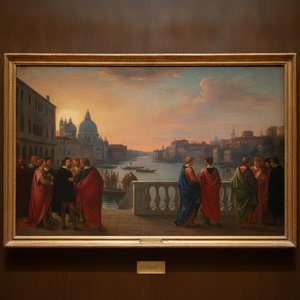
The Venetian Renaissance: A Masterclass in Colorito, Light, and the Birth of Atmospheric Brilliance
Explore the breathtaking mastery of the Venetian Renaissance. Discover how legends like Titian revolutionized art through Colorito, capturing the luminous light and vibrant pigments of the Venetian lagoon in a visual journey of unparalleled color and texture.
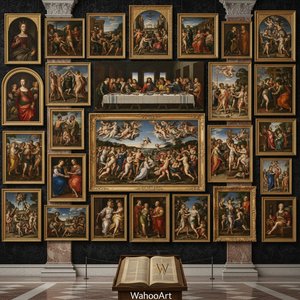
틴토레토의 걸작 25선: 베네치아 회화 거장의 드라마와 빛의 향연 | OriginalUniqueArt
틴토레토의 드라마틱한 빛과 색채가 살아 숨쉬는 걸작 25선을 만나보세요. 베네치아 회화 거장의 명작 속 역사, 기법, 그리고 영감을 느껴보세요. OriginalUniqueArt에서 고품질 유화와 아트 프린트를 감상하고 특별한 인테리어를 완성하세요. 지금 바로 컬렉션을 탐험하세요!

Venetian Renaissance: The Mastery of Color, Light, and the Art of Colorito
Explore the luminous mastery of the Venetian Renaissance. Discover how masters like Titian and Giorgione revolutionized art through colorito, light, and atmosphere. An expert guide to the golden age of Italian painting for collectors and enthusiasts.