
 미리보기
미리보기
 공유하기
공유하기 공유하기
공유하기
 상세 정보
상세 정보

 다운로드
다운로드
 유사 작품
유사 작품 X-레이
X-레이 슬라이드 쇼
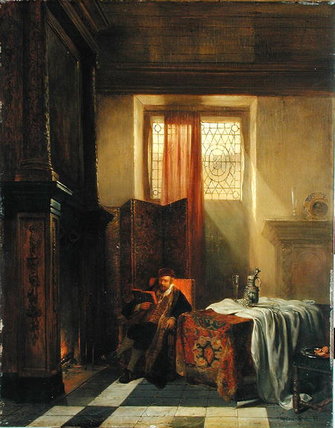
The Philosopher
 더 보기
더 보기
온라인 미리보기보다 훨씬 뛰어난 품질의 고해상도 디지털 이미지를 구매해 보세요.
각 파일은 사내 전문가가 고급 도구와 숙련된 수동 리터칭 기술을 사용하여 세심하게 준비합니다. 우리는 모든 이미지가 탁월한 선명도, 정확한 색상 재현력, 그리고 미세한 디테일까지 완벽하게 갖추도록 보장합니다.
최종 파일은 전문적인 편집 및 인쇄 환경에서 즉시 사용할 수 있도록 최적화되어 72시간 이내에 이메일로 발송됩니다. 이는 세계적인 디자인 스튜디오, 출판사 및 갤러리가 신뢰하는 것과 동일한 품질입니다.
디지털 이미지
개인 소장 및 전시, 인쇄, 창작 프로젝트를 위한 고해상도 파일을 다운로드하세요. ( 프린트 구매 손으로 그린 그림 구매)
모든 디지털 이미지 주문에 포함된 혜택
전문적인 디지털 이미지 전송 보장
OriginalUniqueArt.com를 선택하시면 단순히 이미지를 받는 것을 넘어, 정밀한 보정 과정을 거친 전문적인 디지털 예술 작품을 만나보실 수 있습니다. 모든 작품에는 만족 보장 서비스가 함께 제공되며, 주문 시 다음과 같은 사항들이 자동으로 포함됩니다:

빠른 이메일 전송
주문 후 72시간 이내에 고해상도 디지털 이미지 파일이 이메일로 발송되며, 즉시 사용하실 수 있습니다.

AI 기술로 향상된 디지털 파일
귀하의 작품은 고급 AI 도구와 수동 편집 과정을 거쳐 전문적으로 최적화되며, 이를 통해 디테일과 선명도, 색상의 정확도를 극대화합니다.

평생 무료 재전송 서비스
파일을 실수로 삭제하거나 분실하셨나요? 걱정 마세요. 언제든 무료로 다시 보내드립니다.

추가 수입 비용 없음 - 언제나
관세나 부가세, 배송비 부담 없이 작품을 즉시 감상하세요 - 디지털 다운로드는 언제나 면세 혜택이 적용됩니다.

정확한 색상 보장
전문적인 도구와 색상 관리 시스템을 통해 디지털 이미지가 원본의 색상을 최대한 정확하게 구현하도록 보장합니다.

60일 만족 보장제
구매하신 디지털 이미지에 만족하지 못하실 경우, 60일 이내에 수정 또는 100% 환불을 진행해 드립니다 - 어떠한 문의도 필요 없습니다.

100% 환불 보장
만족하지 못하셨나요? 디지털 파일을 수령하신 후 60일 이내라면 별도의 이유를 밝힐 필요 없이 전액 환불해 드립니다.

대량 주문 할인
이미지 3매 구매 시 10% 할인 - 5매 구매 시 15% 할인 - 10매 이상 구매 시 20% 할인. 크리에이티브 프로젝트, 갤러리, 에이전시에 매우 유용합니다.
작가 소개
The Crucible of Revolution: The Art of William Henry Hunt
William Henry Hunt, a name perhaps less familiar than those of his contemporaries like Turner or David, stands as a pivotal figure in the evolution of British watercolor painting during the tumultuous decades following the American Revolution. Born in Long Acre, London, in 1790, Hunt’s artistic journey was deeply intertwined with the burgeoning Romantic movement and the fervent desire to capture the spirit – and the memory – of a nation forged in revolution. His life, spanning from 1790 to 1864, witnessed a dramatic shift in artistic sensibilities, moving away from the rigid formality of Neoclassicism towards a more expressive and emotionally charged approach.
Hunt’s early training under John Varley, a landscape painter known for his atmospheric effects, provided him with a solid foundation. However, it was his association with the Society of Painters in Watercolors, founded in 1804, that truly shaped his artistic identity. This group, dedicated to elevating watercolor as a serious medium, offered Hunt a platform to develop his unique style – characterized by a remarkable sensitivity to light and color, coupled with an intimate understanding of human emotion. Unlike the grand historical paintings favored by some of his peers, Hunt primarily focused on scenes of rural life, domestic interiors, bird’s nests, and portraits, often imbued with a quiet melancholy or poignant beauty.
Hunt's artistic development was profoundly influenced by the legacy of William Blake, whose radical ideas about art, spirituality, and social justice resonated deeply with the young painter. Blake’s emphasis on symbolism and his exploration of the subconscious profoundly impacted Hunt’s work, particularly in his later paintings where he frequently employed allegorical imagery and explored themes of mortality, innocence, and experience. The influence is evident in works like “Pity” (1825), a haunting depiction of a young woman mourning her deceased child, which evokes a profound sense of sorrow and vulnerability – qualities characteristic of Blake’s art.
The Painter of Quiet Moments
While Hunt didn't participate in the grand historical commissions that defined many of his contemporaries, he nonetheless played a crucial role in shaping the visual culture of his time. His paintings weren’t epic narratives of battle or political upheaval; instead, they offered intimate glimpses into everyday life – the simple pleasures and sorrows of rural existence. He possessed an extraordinary ability to capture the fleeting beauty of nature, the tenderness of human relationships, and the subtle nuances of emotion. His watercolors of bird's nests, for example, are not merely botanical studies but rather delicate meditations on creation, fragility, and the interconnectedness of life.
Hunt’s subjects often reflected a growing interest in the natural world and the beauty of the English countryside – a trend that mirrored broader cultural shifts during the early 19th century. He was particularly drawn to scenes of rural poverty and hardship, depicting the lives of farmers, laborers, and other marginalized members of society with empathy and compassion. His paintings weren’t intended to offer moral judgments or didactic lessons; rather, they invited viewers to contemplate the human condition and to appreciate the dignity of ordinary people.
A Legacy in Watercolor
Hunt's contribution to watercolor painting extends beyond his individual works. He was a key figure in the development of the English school of watercolor, advocating for its acceptance as a legitimate art form alongside oil painting. He actively participated in artistic associations, such as the Royal Watercolour Society, which played a vital role in promoting and supporting watercolor artists. His dedication to the medium helped establish watercolor as a respected and versatile tool for artistic expression.
His later years were marked by a shift towards more introspective and symbolic works, reflecting his growing interest in spiritual themes. Works like “The Storming of the Bastille” (1830), while not entirely accurate historically, capture the spirit of revolutionary fervor and the yearning for freedom – themes that resonated deeply with contemporary audiences. Despite facing financial difficulties later in life, Hunt remained a prolific artist until his death in 1864, leaving behind a substantial body of work that continues to captivate viewers today.
Key Works & Characteristics
- Pity (1825): A poignant depiction of a young woman mourning her child, showcasing Hunt’s ability to convey profound emotion through subtle gestures and color.
- Bird's Nest (various dates): Delicate studies of bird nests, reflecting Hunt’s fascination with nature and his meticulous observation skills.
- The Storming of the Bastille (1830): A symbolic representation of revolutionary fervor, capturing the energy and chaos of the event while prioritizing emotional impact over historical accuracy.
- Portrait of a Young Woman (various dates): Demonstrates Hunt’s skill in capturing individual character and personality through subtle details and expressive brushwork.
Historical Significance
William Henry Hunt's work is significant not only for its artistic merit but also for its reflection of the social and cultural currents of his time. He was a keen observer of human nature, capturing the complexities of rural life and expressing empathy for those marginalized by society. His paintings offer valuable insights into the evolving attitudes towards art, nature, and the role of the artist in shaping public opinion. Hunt’s legacy lies in his ability to transform everyday moments into works of profound beauty and emotional resonance – a testament to the power of watercolor as an expressive medium.

bartholomeus johannes van hove
1790 - 1880

