

 실제 크기로 보기
 보내기
보내기 공유하기
공유하기
 상세 보기
상세 보기 가이드 보기

 이미지 다운로드
 유사 작품 더 보기
 X-레이
X-레이 슬라이드 쇼 보기
 통계 정보
통계 정보LA VISION DE SAINT JEROME


 상세 보기
상세 보기
지클레 / 아트 프린트
빠른 제작과 다양한 마감 옵션을 선택할 수 있는 박물관 수준의 지클레이 및 캔버스 프린트. ( 수작업 채색 복제본 주문하기 디지털 이미지 판매 채널로 전환)




P118B $10

P118H $10

P118W $10

P438Z $10

P508JH $12

P508YH $12

P805H $10

P805Z $10

P919BZ $10

P919G $10

P919XJ $10

P959ZH $10

P968JZ $12

W106C $8

W218G $10

W218JH $8

W218Y $10

W307PJ $10

W316G $10

W316PJ $8

W316Y $10

W398PJ $8

W4111J $10

W500HY $15

W500JH $15

W692G $12

W849H $8

W940BG $15

W953PJ $8




작품의 원본 비율을 그대로 유지하는 프리셋 사이즈 중에서 선택해 보세요.

특정 프레임이나 공간에 맞춰 직접 치수를 입력하실 수 있습니다. 선택하신 사이즈가 원본 이미지의 비율과 일치하지 않을 경우, 작품을 크롭(자르기)하거나 이미지를 대칭 또는 단색 채우기로 확장하여 제작합니다. 제작 시작 전, 최종 확인을 위해 디지털 목업이 전송됩니다.
화면상의 미리보기는 실제 크롭이나 확장 상태를 반영하지 않으므로, 최종 구도는 오직 목업을 통해서만 정확하게 확인하실 수 있습니다.
맞춤 사이즈 제작도 가능하지만, 원본 비율을 유지하기 위해서는 사전 정의된 목록에서 치수를 선택하시는 것을 권장합니다.


 유리 옵션은 110cm 미만 크기에서만 선택 가능합니다.

LA VISION DE SAINT JEROME
지클레 / 아트 프린트
복제본 규격
-


총 결제 금액
$ 80
The Divine Encounter: A Vision of Saint Jerome
To stand before this depiction of La Vision de Saint Jerome is to be enveloped in the very breath of divine revelation. It is not merely a painting; it is a dramatic arrest of time, capturing that breathless moment when the mortal soul brushes against the eternal. The scene pulses with an almost unbearable spiritual energy, drawing the viewer deep into its chiaroscuro depths. We witness Saint Jerome, the scholar and ascetic, confronted by the overwhelming majesty of the divine through the figure of an angel bearing a trumpet. The composition itself is a masterclass in Baroque drama, utilizing intense contrast to guide the eye from the earthly contemplation of Jerome toward the blinding source of heavenly light.
Baroque Drama and Technical Brilliance
The painter, Giovanni Francesco Barbieri, known by his evocative moniker Guercino, channels the full force of the Bolognese Baroque style. His handling of paint suggests a profound understanding of oil on canvas, where visible brushstrokes do not detract from the illusion but rather enhance it, lending a palpable texture to the billowing drapery and the swirling atmosphere. The technique is characterized by its dramatic lighting—the chiaroscuro—where deep, velvety shadows cradle the figures, allowing only select areas, particularly those touched by celestial light, to blaze forth. This masterful interplay of illumination and obscurity heightens the emotional stakes, making the viewer feel the weight and intensity of the spiritual moment.
Symbolism Woven into Shadow and Light
Every element within this vision serves as a potent symbol. The angel’s trumpet is more than an instrument; it is the herald of God's voice, signaling judgment or profound truth. Jerome himself embodies the tension between human intellect and divine mystery—a scholar humbled before revelation. At the base, the inclusion of the skull acts as a stark memento mori, a constant, sobering reminder of mortality against the backdrop of eternal promise. The deep blues and rich browns anchor the piece in earthly contemplation, while the flashes of red and gold emanating from the divine source speak of passion and glory. These symbolic layers invite prolonged study, rewarding the collector who seeks not just beauty, but narrative depth.
An Emotional Resonance for the Modern Space
For the discerning collector or designer seeking a piece that anchors a room with intellectual weight and dramatic flair, this reproduction offers unparalleled emotional resonance. It speaks to themes of enlightenment, spiritual struggle, and transcendent beauty. Imagine this work gracing a library, a grand hall, or a private study—its dynamic movement and profound narrative quality will transform the space into one of contemplation. Guercino’s ability to fuse intense human emotion with sublime religious allegory ensures that La Vision de Saint Jerome remains not just decoration, but a powerful focal point for reflection.
작가 소개
The Master of Light and Shadow: The Life of Guercino
Born Giovanni Francesco Barbieri around 1591 in the serene town of Sassuolo, Italy, the artist who would become known to history as Guercino emerged as one of the most luminous figures of the Bolognese Baroque. His name, a nickname meaning "the squinting one," perhaps alludes to the intense, focused gaze with which he approached his canvas, a gaze that captured the very essence of human emotion and divine light. Growing up in the Emilia-Region, a territory rich with artistic tradition, Barbieri was destined to become a central pillar of the Italian Baroque movement, weaving together the dramatic naturalism of the era with a profound, poetic sensibility.
The foundations of his genius were laid during his early training, where he absorbed the stylistic nuances of the Bolognese school. While much of his formative years remain shrouded in the mists of history, his artistic lineage is clearly traced through his engagement with the works of masters like Alessandro Magnasco. This early exposure introduced him to the transformative power of chiaroscuro—the dramatic interplay between deep, velvety shadows and piercing highlights. As he matured, Guercino did not merely mimic existing styles; he synthesized them, creating a visual language that felt both grounded in reality and elevated by spiritual grace.
A Synthesis of Caravaggesque Drama and Bolognese Grace
The trajectory of Guercino’s career was irrevocably altered by the revolutionary influence of Caravaggio. The sheer psychological depth and uncompromising realism found in Caravaggio's work acted as a catalyst for Barbieri, prompting him to explore the more visceral aspects of the human condition. In his hands, the starkness of Caravaggism was softened by a uniquely Bolognese elegance, resulting in compositions that possessed an uncanny sense of atmosphere. He mastered the ability to use light not just as a tool for visibility, but as a narrative force capable of guiding the viewer's eye through complex biblical and mythological landscapes.
This mastery is perhaps most evident when examining his approach to religious iconography. In works such as The Liberation of St Peter, executed in 1622, one can witness the breathtaking tension between the divine and the earthly. The painting serves as a testament to his ability to capture a moment of miraculous intervention through emotive expression and dramatic lighting. Similarly, his mythological explorations, such as Venus and Cupid, demonstrate a sophisticated command of color and form, where the tenderness of the subjects is balanced by the heavy, atmospheric shadows that define his signature style.
Legacy and Artistic Significance
Guercino’s contribution to the Baroque era extends far beyond the mere depiction of scenes; he redefined the emotional landscape of seventeenth-century painting. His ability to imbue even the most tranquil landscapes with a sense of spiritual contemplation allowed him to bridge the gap between the intense drama of the early Baroque and the more lyrical, classical tendencies that would follow. His influence resonated throughout Europe, inspiring generations of painters to seek the balance between naturalistic truth and idealized beauty.
Throughout his prolific life, which concluded in 1666, Guercino remained a steadfast architect of light. His achievements can be summarized through several key artistic pillars:
- Mastery of Chiaroscuro: The use of extreme light and shadow to create depth, volume, and psychological tension.
- Emotional Naturalism: A commitment to portraying human figures with an honesty that resonates with the viewer's own empathy.
- Atmospheric Landscapes: The creation of settings that feel lived-in and spiritually charged, moving beyond mere backdrops to become active participants in the narrative.
- Stylistic Synthesis: The seamless blending of Caravaggio’s dramatic realism with the refined traditions of the Bolognese school.
Today, the works of Guercino continue to captivate audiences in museums across the globe, standing as enduring monuments to a period of unparalleled artistic innovation. He remains a definitive voice of the Baroque, reminding us that art is at its most powerful when it illuminates both the physical world and the unseen depths of the human soul.

barbieri gian francesco (guercino il)
1591 - 1666
작가 정보 요약
- Artistic Movement Or Style: Baroque painting
- Artists Or Movements Influenced By This Artist: ['Italian Baroque']
- Artists Who Influenced This Artist:
- Caravaggio
- Annibal Rigaudi
- Date Of Birth: 1591
- Date Of Death: 1666
- Full Name: Giovanni Francesco Barbieri
- Nationality: Italian
- Notable Artworks:
- San Cesare Vespasiano Chapel Altarpiece
- The Martyrdom of Saint Cecilia
- Place Of Birth: Borgo San Lorenzo, Tuscany
관련 기사

엘 그레코 걸작 25선: 영혼을 울리는 신성한 예술의 세계 | OriginalUniqueArt
엘 그레코의 영혼을 담은 걸작 25선을 만나보세요. 스페인 화가 엘 그레코의 종교화, 마니에리스모 스타일, 그리고 그의 대표작들을 OriginalUniqueArt에서 감상하고 특별한 인테리어 아트 아이디어를 얻으세요. 지금 바로 컬렉션을 탐험하세요!

Giclée Prints: Archival Quality & Aesthetic Nuances for the Discerning Collector
Explore the world of giclée prints with OriginalUniqueArt. Learn about archival quality, aesthetic nuances & investment potential. Expert guidance for discerning art collectors seeking museum-quality reproductions and lasting value.
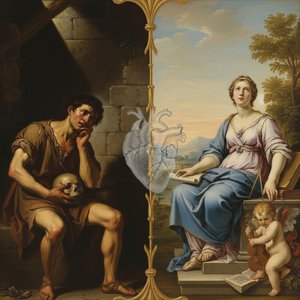
Guercino: A Baroque Master Between Caravaggism & Classicism – Exploring Innovation & Emotional Depth
Explore the captivating world of Guercino, a Baroque master bridging Caravaggism & Classicism. Discover his dramatic chiaroscuro, emotional depth, and lasting influence on art history with OriginalUniqueArt.

화려함 속에 감춰진 진실! 바로크 미술을 정의한 10대 걸작 탐구
화려함과 극적인 표현이 압권! 바로크 미술을 대표하는 10대 걸작의 숨겨진 이야기를 만나보세요. 베르니니, 루벤스 등 거장의 작품부터 바로크 색감, 예술적 기법까지 – OriginalUniqueArt.com에서 명품 복제 & 인테리어 영감을 얻으세요! 지금 바로 컬렉션을 탐험해보세요.
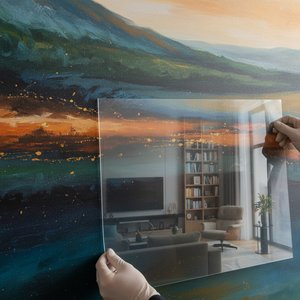
Giclée Prints Explained: The Ultimate Guide to Museum-Quality Art Reproductions
Master the nuances of Giclée printing with our expert guide. Discover how pigment-based inks and museum-grade substrates create fade-resistant, high-fidelity art reproductions designed for discerning collectors seeking unparalleled quality and longevity.
