Basque pilgrimage (아우렐리오 아르테타)
아우렐리오 아르테타 (1879–1940) 작가의 Basque pilgrimage Oil(으)로 제작되었습니다.
- Oil

 미리보기

 수작업 유화 작품
 공유하기
 공유하기
 학습용 요약본


 다운로드
 유사 작품 더 보기
 X-레이
 슬라이드 쇼 보기
 질의응답

 통계 정보
Basque pilgrimage 요약
- 제목
- Basque pilgrimage
- 작가
- 아우렐리오 아르테타 (1879–1940)
- 작가 출생지
- 빌바오, 스페인
- 매체
- Oil
- 제작 시기
- Modern
- 주제
- people
Basque pilgrimage은(는) 무엇을 묘사하고 있나요?
A Celebration of Basque Spirit
In the evocative masterpiece Basque Pilgrimage, the legendary Spanish painter Aurelio Arteta invites us into a moment of profound communal joy. The canvas unfolds as a vibrant tapestry of human connection, capturing a large gathering of people nestled within a lush, verdant field. As one gazes upon the scene, there is an immediate sense of movement and life; figures are scattered across the landscape, some seated peacefully upon the grass while others engage in the rhythmic grace of dance. The atmosphere is thick with the spirit of festivity, punctuated by the delicate glint of wine glasses held aloft and the casual presence of bottles and bowls that suggest a shared feast. It is not merely a depiction of a social event, but a soulful tribute to the enduring strength of community traditions.
Arteta, a master of blending the structural clarity of Cubism with the emotive depth of Social Realism, employs a technique that breathes life into every subject. The composition is meticulously balanced, guiding the eye through the undulating crowd and across the scattered elements of the picnic. His brushwork, while grounded in a certain monumental solidity characteristic of his style, manages to capture the ephemeral lightness of a summer afternoon. The interplay of light and shadow across the various textures—from the soft blades of grass to the diverse fabrics of the attendees' clothing—creates a sense of three-dimensional presence that makes the scene feel almost tangible to the viewer.
Symbolism and Cultural Resonance
Beyond its surface beauty, Basque Pilgrimage serves as a poignant window into the cultural identity of the Basque region. During an era marked by significant socio-political shifts in Spain, Arteta turned his gaze toward the foundational rhythms of rural life. The pilgrimage itself acts as a powerful symbol of shared faith, heritage, and the cyclical nature of tradition. Each figure in the painting represents a thread in the larger social fabric, contributing to a collective narrative of resilience and togetherness. The presence of food and drink is not merely incidental; it symbolizes the bounty of the land and the ritualistic importance of breaking bread as a community.
For the discerning collector or interior designer, this artwork offers much more than aesthetic appeal. It provides an emotional anchor for a space, bringing a sense of warmth, stability, and historical depth. The painting’s ability to evoke nostalgia while celebrating the vitality of life makes it a timeless addition to any curated collection. Whether placed in a grand salon or a quiet study, a high-quality reproduction of this work serves as a conversation piece that honors the artistry of the early 20th-century Spanish Modernist movement and the unbreakable bonds of human fellowship.
Basque pilgrimage의 고해상도 이미지

아우렐리오 아르테타, Basque pilgrimage. 퍼블릭 도메인
Basque pilgrimage에 관한 질문과 답변
아우렐리오 아르테타의 "Basque pilgrimage"의 기법은 무엇인가요?
아우렐리오 아르테타의 "Basque pilgrimage"의 재료는 Oil입니다. 복제화는 이 기법 특유의 질감을 그대로 구현하는 것을 목표로 합니다.
아우렐리오 아르테타의 "Basque pilgrimage"에는 어떤 모습이 담겨 있나요?
"Basque pilgrimage"에 담긴 소재는 people입니다.
"Basque pilgrimage"은(는) 저작권으로부터 자유로운가요?
아우렐리오 아르테타의 "Basque pilgrimage"의 저작권 정보: 해당 작품은 퍼블릭 도메인 - 저작권 보호 기간이 만료되었습니다 상태입니다. 이는 이미지 복제 가능 여부를 결정하는 기준이 됩니다.
"Basque pilgrimage"을(를) 만든 작가는 누구인가요?
"Basque pilgrimage"의 작가는 아우렐리오 아르테타입니다. 이 작품은 아우렐리오 아르테타의 이름으로 등록되어 있습니다.
"Basque pilgrimage"의 저작권 상태가 왜 이렇게 지정되어 있나요?
아우렐리오 아르테타의 "Basque pilgrimage"은(는) 퍼블릭 도메인 - 저작권 보호 기간이 만료되었습니다 상태입니다. 저작권 보호 기간은 작가 사후를 기준으로 산정되며, 아우렐리오 아르테타은(는) 1940년에 작고하였습니다.
아티스트 아우렐리오 아르테타 소개

1879–1940, 스페인
아우렐리오 아르테타
초기 생애와 예술적 기반 1879년 스페인 북부 항구 도시 빌바오에서 태어난 아우렐리오 아르테타 에라스티는 20세기 초 스페인 모더니즘의 중요한 인물로 떠올랐습니다. 그의 예술 여정은 시대의 사회 정치적 흐름과 유럽의 생동감 넘치는 문화 환경과 깊이 연관되어 있었습니다. 바스크 지방 전통에 뿌리를 두고 있었지만, 아르테타의 길은 지역 경계를 넘어 상징주의, 입체주의, 사회 사실주의를 혼합한 독특한 스타일을 형성했습니다. 그의 초기 삶은 이동성이 특징이었는데, 아버지의 직업 때문에 1894년 가족이 바야돌리드로 이사하면서 적응력과 관찰력을 키울 수 있었습니다.
아우렐리오 아르테타의 다른 작품들
 Diálogo en el campo de sport
 Pescadores - La Galerna
 La mina
 To the pilgrimage

Basque pilgrimage 관련 에세이
 25 Masterpieces by Rogier van der Weyden: The Pinnacle of Emotional ArtImmerse yourself in the profound emotion of Rogier van der Weyden’s greatest works. From Northern Renaissance mastery to exquisite textures…
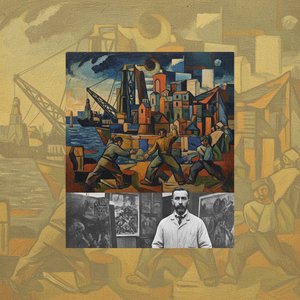 Aurelio Arteta: Navigating Modernity Through Color & Form – A Comprehensive ExplorationExplore the captivating world of Aurelio Arteta, a pivotal Spanish Modernist painter. Discover his unique blend of Symbolism, Cubism & Soci…
 Akseli Gallen-Kallela: Shaping Finnish Identity Through National Romanticism & SymbolismExplore the captivating world of Akseli Gallen-Kallela, Finland's iconic National Romantic painter. Discover his symbolic landscapes, Kalev…