
 미리보기
미리보기
 공유하기
공유하기 공유하기
공유하기
 상세 정보
상세 정보 가이드 보기

 다운로드
다운로드
 유사 작품 더 보기
 X-레이
X-레이 슬라이드 쇼 보기
 질의응답
질의응답 통계 정보
통계 정보Hubert Robert


 더 보기
더 보기
지클레 / 아트 프린트
빠른 제작과 다양한 마감 옵션을 제공하는 박물관 수준의 지클레이 및 캔버스 프린트. ( 수작업 채색 복제본 주문하기 디지털 이미지로 전환)




P118B ₩10

P118H ₩10

P118W ₩10

P438Z ₩10

P508JH ₩12

P508YH ₩12

P805H ₩10

P805Z ₩10

P919BZ ₩10

P919G ₩10

P919XJ ₩10

P959ZH ₩10

P968JZ ₩12

W106C ₩8

W218G ₩10

W218JH ₩8

W218Y ₩10

W307PJ ₩10

W316G ₩10

W316PJ ₩8

W316Y ₩10

W398PJ ₩8

W4111J ₩10

W500HY ₩15

W500JH ₩15

W692G ₩12

W849H ₩8

W940BG ₩15

W953PJ ₩8




작품의 원본 비율을 그대로 유지하는 프리셋 사이즈 중에서 선택해 보세요.

액자나 벽면 크기에 맞춰 필요한 가로와 세로 길이를 입력해 주세요. 프린트는 원본 이미지보다 크게 제작할 수 없으며 오직 자르는 것만 가능하므로, 비율이 다른 사이즈를 선택할 경우 이미지의 일부가 잘려 나갈 수 있습니다. 인쇄 작업에 들어가기 전, 최종 확인을 위해 디지털 목업을 보내드립니다. 이 페이지에 표시된 이미지는 실제 잘리는 영역을 나타내지 않으며, 오직 목업을 통해서만 정확한 확인이 가능합니다.


 유리 옵션은 110cm 미만 크기에서만 선택 가능합니다.

Hubert Robert
지클레 / 아트 프린트
복제본 크기
-


최종 결제 금액
₩ 107328
Hubert Robert’s “Portrait of Augustin Pajou” – A Glimpse into Neoclassical Grace
Augustin Pajou's "Portrait of the Artist," painted in 1802, offers a remarkably intimate and dignified glimpse into the life and character of one of France’s most celebrated sculptors. More than just a likeness, this portrait is a carefully constructed statement about artistic identity, Neoclassical ideals, and the burgeoning respectability afforded to artists within the French court. The work, rendered in oil on canvas, captures Pajou not as a grand figure of state, but as a thoughtful individual engaged in quiet contemplation – a subtle shift from the more overtly heroic depictions prevalent at the time.
- Subject & Composition: The portrait focuses squarely on Pajou’s face and upper torso, immediately drawing the viewer into his gaze. His posture is relaxed yet dignified, suggesting an inner strength and intellectual curiosity. The composition is balanced, with a slight tilt of the head adding dynamism to the otherwise formal arrangement.
- Style & Technique: Pajou's style firmly anchors this portrait within the Neoclassical tradition. Influenced by the rediscovery of classical antiquity, the painting emphasizes idealized beauty, precise anatomical detail, and restrained emotion. The brushwork is smooth and polished, reflecting a mastery of technique honed through years of training and practice. Notice the subtle gradations of tone – the delicate shading around the eyes and mouth conveying a sense of depth and realism.
- Color Palette: The color scheme is deliberately muted, dominated by warm browns, creams, and grays. This restrained palette contributes to the portrait’s overall air of seriousness and gravitas, allowing Pajou's features – his intelligent eyes, strong jawline, and neatly trimmed beard – to take center stage.
The Sculptor’s Studio: Contextualizing a Portrait
To fully appreciate “Portrait of Augustin Pajou,” it’s crucial to understand the social and artistic climate in which it was created. Following the tumultuous years of the French Revolution, France was undergoing a period of relative stability under Napoleon Bonaparte. The arts were being actively promoted as instruments of national unity and cultural revival – a deliberate effort to restore order and grandeur after the chaos of the revolution. Augustin Pajou himself benefited greatly from this renewed patronage, holding prestigious positions at Versailles and contributing significantly to the decoration of public buildings.
The portrait’s setting—likely Pajou's studio—is subtly suggested through details like the tools of his trade scattered on a nearby table. This inclusion reinforces the idea that he is not merely a subject for artistic representation, but an active participant in the creative process. The lighting, directed from the left, casts gentle shadows across his face, highlighting the contours of his features and adding depth to the composition.
Symbolism & Artistic Identity
Beyond its technical merits, “Portrait of Augustin Pajou” is rich in symbolic meaning. The artist’s gaze—direct and thoughtful—suggests a quiet confidence and intellectual engagement with his craft. The formal attire – a dark jacket and waistcoat – reflects the Neoclassical emphasis on order, discipline, and respectability. It's a deliberate presentation of an artist as a cultivated gentleman, worthy of admiration and patronage.
Furthermore, the portrait can be interpreted as a statement about the evolving role of the sculptor in French society. Previously, sculptors were often viewed with suspicion – associated with pagan rituals and considered somewhat uncouth. Pajou’s dignified portrayal helped to elevate the status of the profession, demonstrating that artists could contribute meaningfully to the cultural and political life of the nation.
A Legacy of Neoclassical Elegance
Augustin Pajou's "Portrait of the Artist" stands as a testament to his skill, artistry, and the enduring appeal of Neoclassical ideals. It’s a captivating image that invites us to contemplate not only the likeness of a remarkable sculptor but also the broader cultural context in which he lived and worked. Reproductions of this portrait offer a beautiful way to bring a touch of refined elegance into any space – a reminder of France's rich artistic heritage and the timeless power of classical beauty.
질의응답
Augustin Pajou의 "Hubert Robert"은 밝은 느낌의 작품인가요, 아니면 어두운 느낌의 작품인가요?
Augustin Pajou의 "Hubert Robert"의 밝기는 balanced로 기록되었으며, 휘도는 Soft Shadow입니다.
Augustin Pajou의 "Hubert Robert"은 어떤 종류의 작품인가요?
"Hubert Robert"은(는) WallArt 작품입니다.
Augustin Pajou의 "Hubert Robert"의 특징적인 기법과 화풍은 무엇인가요?
"Hubert Robert"에서 Acrylic On Canvas 기법은 Neoclassical 사조와 만납니다.
작가 정보
Augustin Pajou: The Sculptor of Elegant Grace
Augustin Pajou (1766 – 1809) stands as a pivotal figure in the artistic landscape of late eighteenth-century France, embodying the ideals of Neoclassicism and securing his place amongst the most celebrated sculptors of his era. Born in Paris to Jean-Baptiste Pajou, a renowned sculptor himself, Augustin inherited a legacy of artistic excellence and swiftly established himself as a prodigious talent destined for greatness. His formative years were marked by rigorous training under Lemoyne, cementing his understanding of classical principles and shaping his distinctive sculptural style—characterized by refined grace, meticulous detail, and an unwavering commitment to capturing idealized beauty.- Early Career & Prix de Rome: Pajou’s ambition propelled him toward the prestigious Prix de Rome in 1784, a competition that recognized exceptional artistic merit. Despite multiple unsuccessful attempts, he persevered, demonstrating remarkable determination and honing his craft through tireless experimentation.
- Notable Commissions & Patronage: His breakthrough came with commissions from influential patrons like Madame du Barry and Louis XVI, securing him positions at Versailles and propelling him to international acclaim. These projects showcased Pajou’s ability to translate aristocratic tastes into breathtaking sculptural masterpieces.
Sculptural Style & Technique
Pajou's artistic vision was firmly rooted in the principles of Neoclassicism, a movement that championed rationalism and sought inspiration from ancient Greece and Rome. He meticulously studied classical sculptures, absorbing their anatomical accuracy and expressive dynamism. His technique involved painstaking carving—often utilizing marble—employing tools with precision to achieve unparalleled realism and conveying emotion through subtle gestures and facial expressions. The sculptor’s mastery of material was evident in his ability to imbue stone with life-like qualities, capturing the essence of human form with remarkable sensitivity.- Emphasis on Anatomy & Proportion: Pajou adhered strictly to classical anatomical standards, ensuring that every sculpture reflected a profound understanding of human musculature and skeletal structure.
- Material Choice & Surface Treatment: He favored marble—particularly alabaster—renowned for its translucency and ability to capture delicate textures—a hallmark of his distinctive aesthetic.
Major Achievements & Legacy
Augustin Pajou’s artistic output spanned a remarkable breadth of projects, cementing his reputation as one of the foremost sculptors of his time. Among his most celebrated works are monumental sculptures like “Neptune Calming the Waves,” commissioned for Lyon’s Musée des Beaux-Arts, and busts of luminaries such as Voltaire, Rousseau, and Madame du Barry—each embodying exceptional artistic skill and capturing the spirit of Enlightenment thought. Furthermore, he played a crucial role in decorating Versailles' opera house, collaborating with Jean-Baptiste Raspail to create opulent interiors that reflected royal grandeur. His contribution to the monumental sculpture "The Princesse de Hesse-Homburg as Minerva" remains an enduring testament to his artistic prowess and stylistic innovation.- Versailles Opera House Decoration: Pajou’s involvement in Versailles' opera house project solidified his position as a leading artist of the era, demonstrating his ability to elevate architectural spaces through sculptural embellishments.
- Influence on Subsequent Artists: Pajou’s stylistic influence extended beyond his own lifetime, inspiring generations of sculptors who embraced Neoclassical ideals and sought to emulate his meticulous craftsmanship and expressive artistry.
Recognition & Collections
Today, Augustin Pajou's sculptures reside in prestigious collections worldwide—including the Louvre Museum, Musée des Beaux-Arts Lyon, Metropolitan Museum of Art (New York), Tate Britain, and numerous other institutions across Europe and America. His enduring legacy testifies to his unparalleled artistic achievement and ensures that his masterpieces continue to captivate audiences with their elegance, grace, and profound understanding of classical art principles. He is remembered as a sculptor who elevated Neoclassicism to new heights, securing his place among the giants of French sculpture history.
Augustin Pajou
1766 - 1828 , France
작가 정보 요약
- Full Name: Augustin Pajou
- Nationality: French
- Date Of Birth: 1766
- Date Of Death: 1828
- Place Of Birth: Paris, France
- Notable Artworks:
- Bust of Madame du Barry
- Psyche Abandoned
- The Princess of Hesse-Homburg as Minerva
- Artistic Movement Or Style: Neoclassical
- Artists Who Influenced This Artist: ['Jean-Baptiste Lemoyne']
- Artists Or Movements Influenced By This Artist: ['Classical Art']
관련 콘텐츠

Hubert Robert: Picturing Ruins, Preserving Memory – A Study of Romantic Antiquarianism & Artistic Innovation
Explore the captivating world of Hubert Robert, master of Romantic landscape painting & 'capriccio' ruins. Discover his historical context, artistic innovations, and collecting insights with OriginalUniqueArt.

Neoclassical Portraiture: The Elegance of Order, Reason, and Academic Mastery in Art History
Explore the profound elegance of Neoclassical portraiture. Discover how Enlightenment ideals of reason and order shaped art history through technical mastery and classical inspiration. Learn from our museum-grade expertise in the era of academic realism.
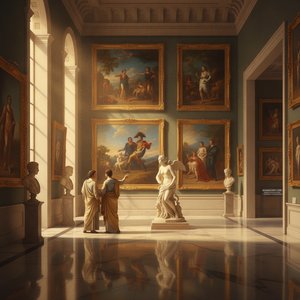
10 Iconic Neoclassical Masterpieces That Changed Art History Forever
Journey through history with 10 iconic Neoclassical masterpieces. From Jacques-Louis David to timeless legends, explore the stories behind these museum-quality works. Find inspiration for your decor with our curated art reproductions. Discover all masterpieces on OriginalUniqueArt.com.

The Art of the Gaze: A Collector's Guide to Mastering Portrait Composition and Emotional Depth
Master the nuances of portrait composition with our expert guide for collectors. Discover how light, gaze, and texture create emotional depth in fine art, from classical masterpieces to bespoke oil commissions.

Illuminating the Enlightenment: Artistic Expression in 18th-Century Europe
Explore the artistic brilliance of the Enlightenment era! Discover Rococo's elegance & Neoclassicism’s virtue with expert insights into 18th-century masterpieces. Learn about David, Kauffmann & more.