Expressionism · 1914
Hat Shop (아우구스트 마케, 1914)
아우구스트 마케 (1887–1914) 작가의 Hat Shop 1914년에 제작되었습니다. Expressionism 운동에 속합니다. Acrylic On Canvas(으)로 제작되었습니다. 에센, 독일에 위치한 Museum Folkwang에 소장되어 있습니다.
- 1914
- Acrylic On Canvas
- Museum Folkwang, 에센

 미리보기

 수작업 유화 작품
 공유하기
 공유하기
 학습용 요약본


 다운로드
 유사 작품 더 보기
 X-레이
 슬라이드 쇼 보기
 질의응답

 통계 정보
Hat Shop 요약
- 제목
- Hat Shop
- 작가
- 아우구스트 마케 (1887–1914)
- 작가 출생지
- 메스체데, 독일
- 제작 연도
- 1914
- 매체
- Acrylic On Canvas
- 전시 장소
- Museum Folkwang, 에센, 독일
- 주제
- hat shop, urban scene, women, shopping, expressionism, bold colors
Hat Shop은(는) 무엇을 묘사하고 있나요?
A Glimpse of Urbanity: The Story Behind August Macke’s “Hat Shop”
August Macke's "Hat Shop" (1914) isn’t merely a depiction of a street scene; it’s a carefully constructed distillation of modern experience, rendered with the vibrant energy and emotional intensity characteristic of German Expressionism. Painted during a pivotal moment in Macke’s career – just months before his tragically early death – this work captures a fleeting moment of observation within the bustling heart of a city. It's a testament to his ability to imbue everyday life with profound symbolic weight, transforming a simple storefront into a microcosm of human interaction and contemplation.
Macke’s decision to focus on a hat shop wasn’t arbitrary. He was deeply fascinated by the transient nature of urban existence, the constant flow of people passing through public spaces. The shop window itself becomes a stage, presenting an anonymous woman – a figure deliberately devoid of individual features – as she pauses to observe the display within. This deliberate abstraction invites viewers to project their own experiences and emotions onto the scene, fostering a sense of shared contemplation.
Expressionist Techniques: Flattening Reality for Emotional Resonance
The painting’s style is undeniably Expressionist, a movement that prioritized subjective experience over objective representation. Macke employs a flattened perspective, compressing space and reducing forms to their essential shapes. The building facade, the hats themselves, and even the woman are rendered with bold, simplified lines – a deliberate rejection of traditional realism. This simplification isn’t an act of carelessness; it's a conscious choice to heighten the emotional impact of the work.
- Color Palette: Macke utilizes a striking, almost jarring color palette—a vibrant clash of reds, blues, yellows, and greens. These colors aren’t meant to mimic reality but rather to convey mood and emotion; the warm hues of the hats contrast sharply with the cooler tones of the building, creating a dynamic visual tension.
- Brushwork: The painting is characterized by broad, expressive brushstrokes that add texture and movement to the surface. This technique contributes to the overall sense of energy and immediacy.
- Geometric Forms: Angular lines dominate the composition, reinforcing the feeling of rigidity and formality while simultaneously hinting at underlying dynamism.
Symbolism in a Snapshot: Hats as Vessels of Meaning
The hats within the shop window are more than just accessories; they function as potent symbols. They represent status, fashion, perhaps even social barriers – elements that Macke frequently explored in his work. The anonymous woman’s posture suggests a moment of quiet contemplation, as if she is considering her own place within this complex urban landscape. The act of observing itself becomes significant, highlighting the human need to connect with and interpret the world around us.
A Legacy Preserved: Macke's “Hat Shop” Today
“Hat Shop” stands as a poignant reminder of August Macke’s brief but brilliant career. It exemplifies his ability to capture the essence of modern life through bold color, simplified forms, and emotionally charged symbolism. Reproductions of this iconic work offer a captivating glimpse into a pivotal moment in art history, inviting viewers to contemplate the beauty and complexity of everyday experience.
Hat Shop은(는) 어느 미술관에 소장되어 있나요?
Museum Folkwang
에센, 독일
Museum Folkwang의 기원과 역사 Museum Folkwang의 역사는 서로 다른 두 유산이 하나로 만나는 지점에서 시작됩니다. 1902년, 카를 에르스트 오스하우스는 현대적 표현에 대한 독보적인 비전을 담아 사립 미술관인 폴크와그 미술관을 설립했습니다. 이후 1906년에 설립된 에센의 Kunstmuseum이 그 뒤를 이으며 두 흐름은 결합하게 됩니다.

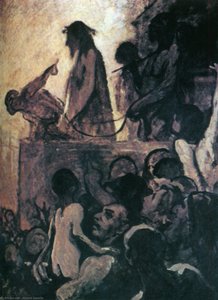

Hat Shop의 고해상도 이미지

아우구스트 마케, Hat Shop (1914), Museum Folkwang. 퍼블릭 도메인
Hat Shop에 관한 질문과 답변
아우구스트 마케의 "Hat Shop"의 원화는 어디에서 감상할 수 있나요?
아우구스트 마케의 "Hat Shop"은(는) Museum Folkwang, 에센, 독일에 전시되어 있습니다. 박물관 목록은 복제품이 아닌 원작을 기준으로 합니다.
아우구스트 마케의 "Hat Shop"의 기법은 무엇인가요?
"Hat Shop"은(는) Acrylic On Canvas 기법으로 제작되었습니다.
아우구스트 마케의 "Hat Shop"에는 어떤 모습이 담겨 있나요?
아우구스트 마케의 "Hat Shop"의 이미지를 자유롭게 복제할 수 있나요?
아우구스트 마케의 "Hat Shop"은(는) 어떤 미술 사조에 속하나요?
"Hat Shop"은(는) Expressionism 양식의 작품입니다. 이 사조는 해당 작품이 속한 예술적 전통을 나타냅니다.
아티스트 아우구스트 마케 소개
1887–1914, 독일
아우구스트 마케
유년 시절, 가족 그리고 예술적 훈련 아우구스트 마케의 이야기는 1887년 1월 3일, 독일의 작은 마을 메스체데에서 시작됩니다. 그는 건설업자이자 아마추어 예술가였던 아우구스트 프리드리히 헤르만 마케와 마리아 플로렌틴 사이에서 태어난 외아들이었습니다. 그의 어린 시절은 아버지의 사업이 겪은 부침에 따라 가족의 거처가 쾰른을 거쳐 본으로 옮겨가는 과정 속에서 형성되었습니다. 아주 어린 시절부터 시각적 표현에 대한 갈망은 분명하게 나타났습니다.
아우구스트 마케의 다른 작품들
 여인 그린 재킷1913
 숲 속의 목욕하는 소녀들1913
 모자 상점1913
 Portrait of the Artist's Wife with Hat1909
Hat Shop 관련 에세이
 제임스 애벗 맥닐 휘슬러 최고 걸작 25선: 예술의 정수, 공간에 스며드는 아름다움제임스 애벗 맥닐 휘슬러의 최고 걸작 25선을 만나보세요. 야간 풍경부터 아랑미술관 소장품까지, 예술가의 삶과 작품 세계를 탐험합니다. 색채와 분위기가 완벽한 조화를 이루는 그림들을 OriginalUniqueArt.com에서 감상하고 특별한 공간을 …
 Emotional Transmutation in Visual Art: A Study of Affective Representation Through Color, Form, and TextureExplore the fascinating intersection of art & emotion! Discover how color, form, and texture convey feelings in masterpieces. Expert analys…
 August Macke: Expressionist Visions of Harmony & Modern LifeExplore the vibrant Expressionist paintings of August Macke (1887-1914). Discover his key role in Der Blaue Reiter, Fauvist influences, and…