

 실제 크기로 보기
 보내기
보내기 공유하기
공유하기
 상세 보기
상세 보기 가이드 보기

 이미지 다운로드
 유사 작품 더 보기
 X-레이
X-레이 슬라이드 쇼 보기
 통계 정보
통계 정보Judas kissing Christ
 Acrylic On Canvas
- WallArt
- Expressionism
 1953
1953 60.0 x 37.0 cm
 아트 갤러리 오브 뉴 사우스 웨일스
 상세 보기
상세 보기
지클레 / 아트 프린트
빠른 제작과 다양한 마감 옵션을 선택할 수 있는 박물관 수준의 지클레이 및 캔버스 프린트. ( 수작업 채색 복제본 주문하기 디지털 이미지 판매 채널로 전환)




P118B $10

P118H $10

P118W $10

P438Z $10

P508JH $12

P508YH $12

P805H $10

P805Z $10

P919BZ $10

P919G $10

P919XJ $10

P959ZH $10

P968JZ $12

W106C $8

W218G $10

W218JH $8

W218Y $10

W307PJ $10

W316G $10

W316PJ $8

W316Y $10

W398PJ $8

W4111J $10

W500HY $15

W500JH $15

W692G $12

W849H $8

W940BG $15

W953PJ $8




작품의 원본 비율을 그대로 유지하는 프리셋 사이즈 중에서 선택해 보세요.

특정 프레임이나 공간에 맞춰 직접 치수를 입력하실 수 있습니다. 선택하신 사이즈가 원본 이미지의 비율과 일치하지 않을 경우, 작품을 크롭(자르기)하거나 이미지를 대칭 또는 단색 채우기로 확장하여 제작합니다. 제작 시작 전, 최종 확인을 위해 디지털 목업이 전송됩니다.
화면상의 미리보기는 실제 크롭이나 확장 상태를 반영하지 않으므로, 최종 구도는 오직 목업을 통해서만 정확하게 확인하실 수 있습니다.
맞춤 사이즈 제작도 가능하지만, 원본 비율을 유지하기 위해서는 사전 정의된 목록에서 치수를 선택하시는 것을 권장합니다.


 유리 옵션은 110cm 미만 크기에서만 선택 가능합니다.

Judas kissing Christ
지클레 / 아트 프린트
복제본 규격
-


총 결제 금액
$ 80
A Moment of Betrayal and Profound Sorrow: Examining Arthur Boyd’s “Judas Kissing Christ”
Arthur Merric Bloomfield Boyd, a pivotal figure in Australian art, possessed an extraordinary ability to imbue biblical narratives with the raw emotionality of the Australian landscape. His 1952-1953 terracotta sculpture, "Judas Kissing Christ," housed within the collection of the Art Gallery of New South Wales, is not merely a depiction of a pivotal moment in Christian scripture; it’s a haunting meditation on betrayal, remorse, and the enduring weight of human fallibility. Boyd's work transcends simple illustration, offering instead a deeply felt exploration of the psychological complexities inherent in both the story itself and the artist’s own artistic vision.
The sculpture depicts a solitary figure – Judas Iscariot – kneeling before Christ, engaging in what appears to be a tender, almost sorrowful kiss. The details are strikingly understated yet profoundly evocative. Boyd masterfully utilizes the coarse texture of terracotta, lending a sense of vulnerability and earthly weight to the scene. The man’s face is partially obscured by his hands pressed against his cheeks, a gesture simultaneously of shame and profound grief. The crown he wears – a symbol of both authority and impending doom – further emphasizes the tragic nature of his actions. Noticeably absent are any overt signs of violence or accusation; instead, there's an atmosphere of quiet desperation, suggesting a lingering regret that permeates the entire composition.
The Roots of Expressionism in Australian Clay
Boyd’s choice of terracotta as his medium is significant. He and his family had established a pottery studio at Murrumbeena, Victoria, inheriting a legacy of artistic skill from his parents, Doris and Merric Boyd. This familial connection to ceramics provided him with a foundational understanding of the material's potential – its ability to capture texture, evoke tactile sensations, and convey emotional depth. The work reflects a deliberate move away from purely representational art, aligning with the burgeoning Expressionist movement gaining momentum in Europe at the time. Boyd wasn’t simply replicating an image; he was channeling an internal state, translating the narrative's core emotion into a tangible form.
Furthermore, Boyd’s artistic practice was deeply influenced by his wartime experiences as a cartographer. The stark realities of conflict – displacement, loss, and the psychological toll on soldiers – informed his later work, imbuing it with a sense of social consciousness and empathy. This experience is subtly reflected in the sculpture's somber mood and its focus on human vulnerability.
Symbolism and the Weight of Choice
The "Judas Kiss" transcends a literal depiction of the biblical event, functioning as a potent symbol of betrayal – not just of Christ, but also of the inherent capacity for self-destruction within humanity. The terracotta itself, an earthbound material, reinforces this theme, grounding the scene in the tangible realities of human existence and reminding us of our own mortality. The act of kissing, traditionally associated with affection and intimacy, is here transformed into a gesture of profound transgression, highlighting the destructive potential of misplaced loyalty and personal ambition.
Interestingly, Boyd’s work frequently juxtaposes biblical narratives with the Australian landscape – a deliberate strategy that underscores the universality of human experience. The setting for this particular sculpture remains deliberately ambiguous, allowing viewers to project their own interpretations onto the scene. The absence of specific geographical markers further emphasizes the timelessness of the story and its relevance across cultures and generations.
A Legacy of Emotional Resonance
“Judas Kissing Christ” stands as a testament to Arthur Boyd’s artistic vision – a poignant exploration of human fallibility, remorse, and the enduring power of symbolism. It's a work that invites contemplation, prompting viewers to consider not only the historical context of the biblical story but also its broader implications for the human condition. Today, reproductions of this powerful sculpture continue to resonate with audiences worldwide, serving as a reminder of the complexities of morality, the consequences of betrayal, and the enduring search for redemption.
작가 소개
예술과 호주 풍경에 몰입한 삶
1920년 7월 24일 빅토리아주 머럼비나에서 태어난 아서 메릭 블룸필드 보이드(Arthur Merric Bloomfield Boyd)는 단순한 화가 그 이상이었습니다. 그는 호주 대지의 정신과 깊게 맞닿아 인간의 조건을 기록한 연대기 작가였습니다. 그의 예술적 여정은 고독한 탐구가 아닌, 창의성이 혈액처럼 흐르는 가족 안에서 물려받은 유산으로부터 시작되었습니다. 그의 부모인 도리스와 메릭 보이드 모두 도예가이자 화가로서 뛰어난 예술가였으며, 덕분에 그의 유년 시절은 미적 탐구로 가득 찬 환경 속에서 자라났습니다. 이러한 초기 몰입은 단순히 기법을 배우는 과정에 그치지 않았습니다. 그것은 예술을 하나의 삶의 방식이자, 세상을 해석하고 그 복잡성을 표현하는 수단으로 이해하는 과정이었습니다. 어린 시절의 스케치부터 성숙한 걸작에 이르기까지, 보이드의 작품은 이러한 근원적인 영향을 일관되게 반영하며 끊임없이 진화하면서도 언제나 가족의 예술적 뿌리와 연결되어 있었습니다. 그의 유산은 직계 가족을 넘어 여러 세대의 보이드 가문 구성원들이 호주의 역동적인 예술계에 기여함으로써, 국가에서 가장 저명한 예술 왕조로서의 입지를 굳건히 했습니다.인상주의적 비전에서 표현주의적 심연으로
보이드의 양식적 범위는 매우 다채로워 쉽게 한 가지로 정의하기 어려웠습니다. 그는 호주 부시(bush)의 빛과 질감, 그리고 광활함을 섬세한 필치로 포착해낸 인상주의적 묘사와, 인간 감정의 어두운 구석을 파고드는 강렬한 표현주의적 형상화 사이를 유연하게 넘나들었습니다. 종종 이러한 양식들은 서로 배타적이지 않았습니다. 그의 캔버스는 두 가지 접근 방로를 매끄럽게 혼합하여 보이드만의 독창적인 시각 언어를 만들어냈습니다. 이처럼 서로 다른 기법을 통합하는 능력 덕분에 그는 자연의 아름다움과 평온함부터 존재의 고통과 도덕적 딜레마에 이르기까지 폭넓은 주제를 탐구할 수 있었습니다. 그의 작품을 정의하는 결정적인 특징 중 하나는 호주의 맥락 속에 성서적 서사를 병치시킨 것이었습니다. 현재 뉴사우스웨일스 미술관에 소장된 유다의 그리스도 입맞춤(Judas Kissing Christ)과 같은 작품들이 이를 잘 보여줍니다. 이는 종교적으로 중대한 순간을 호주의 거친 황무지라는 배경으로 옮겨와 강력하게 재해석한 결과물입니다. 이것은 단순한 미적 선택이 아니라, 성서의 이야기를 특정한 문화적, 지리적 현실에 뿌리 내리게 함으로써 그 이야기들을 보편화하려는 의도적인 시도였습니다.캔버스 위에 그려진 사회적 양심
기술적인 숙련도를 넘어, 보이드의 예술은 깊은 사회적 양심과 공명했습니다. 그는 단순히 세상을 묘사하는 것에 만족하지 않았습니다. 그는 세상의 불의에 맞서고 사랑, 상실, 수치심, 그리고 구원이라는 보편적인 주제를 탐구하고자 했습니다. 이러한 헌신은 그의 회화와 조각 모두에서 나타났으며, 종종 소외된 인물들에 주목하고 사회적 규범에 도전하는 모습을 보였습니다. 뉴사우스웨인스 미술관의 또 다른 중요한 작품인 강가와 네 개의 바위(River Bank and Four Rocks)는 이러한 깊이를 잘 보여주며, 관람객으로 하여금 자연이라는 배경 속에서 인간 경험의 복잡성을 성찰하도록 이끕니다. 또한 보이드의 전쟁 경험은 그의 예술적 비전에 깊은 영향을 미쳤습니다. 제2차 세계대전 당시 호주군으로 복무하며 그는 갈등의 참혹함과 그것이 개인에게 가하는 고통을 직접 목격했습니다. 이러한 경험은 그의 공감 능력을 자극했고, 예술을 사회적 논평의 도구로 사용하겠다는 결의를 강화시켰습니다. 그는 삶의 터전을 잃은 이들과 전쟁에 부적합하다고 여겨진 이들을 묘사하며, 전쟁이 초래하는 파괴적인 결과에 대해 통렬한 비판을 던졌습니다.지속되는 유산: 가족, 번도논, 그리고 예술적 영향력
아서 보이드의 영향력은 그의 개인적인 예술적 성취를 훨씬 넘어 확장됩니다. 그의 가족은 창의적으로 계속해서 번창했습니다. 그의 아내 이본 보이드(Yvonne Boyd)와 자녀들인 제이미, 폴리, 루시는 모두 각자의 영역에서 뛰어난 화가가 되어 보이드 가문의 예술적 전통을 이어갔습니다. 아마도 그의 가장 영속적인 유산 중 하나는 뉴사이크스웨일스주 쇼라베인 강변에 위치한 가족 소유지인 번도논(Bundanon)일 것입니다. 1993년, 아서와 이본은 이 광활한 영지를 호주 국민에게 아낌없이 기증하여 예술 및 환경 연구 센터를 설립했습니다. 이 행위는 단순한 자선이 아니었습니다. 그것은 예술이 인간과 자연을 연결하고 창의성을 촉진할 수 있다는 보이드의 믿음을 증명하는 것이었습니다. 번도논은 오늘날에도 예술가, 연구자, 교육자들에게 필수적인 자원으로 기능하며 보이드의 비전이 다음 세대에게 영감을 줄 수 있도록 보장하고 있습니다. 그의 작품은 여전히 평단의 찬사를 받으며 널리 전시되고 있으며, 호주에서 가장 중요하고 영향력 있는 예술가로서의 위치를 확고히 하고 있습니다. 그는 1999년에 세상을 떠났지만, 전 세계 관객들에게 끊임없이 도전하고 자극하며 감동을 주는 방대한 작품들을 남겼습니다.더 알아보기
- 더 많은 작품 보기: https://OriginalUniqueArt.com/@/arthur-merric-bloomfield-boyd
- 뉴사우스웨일스 미술관 컬렉션: /en/art/show/art-8xyffg-en/
- 영향력 있는 예술가 탐색: /en/art/list/

아서 보이드
1920 - 1999
작가 정보 요약
- Artistic Movement Or Style: 표현주의, 풍경화
- Date Of Birth: 1920년 7월 24일
- Date Of Death: 1999년
- Full Name: 아서 메릭 블룸필드 보이드
- Nationality: 호주인
- Notable Artworks:
- 유다의 그리스도에게 입맞춤
- 강가와 네 개의 바위
- 불타는 느부갓네살
- 짐승과 함께 있는 누드 III
- Place Of Birth: 호주, 머럼비나
관련 기사

The Enduring Form: Sculpture Across History, Technique & Emotional Resonance
Explore the rich history of sculpture with OriginalUniqueArt. Discover key techniques, influential artists & investment potential for discerning collectors. Expert insights into valuing and collecting timeless masterpieces.
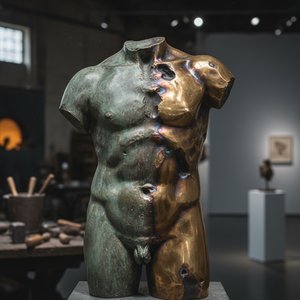
고대 금속의 유산: 청동 조각의 역사, 기법 및 현대적 해석
고대 금속 공예의 정수, 청동 조각의 역사와 기법을 심층 분석합니다. 중국, 그리스, 로마의 대표 작품부터 현대적 해석까지, 미술품 투자 및 컬렉션을 위한 전문가 가이드.

Bronze Age to Modern Masters: 10 Sculptures That Redefined Art | OriginalUniqueArt
Journey through art history with 10 legendary bronze sculptures – from Michelangelo's David to Rodin’s Thinker. Explore the stories, techniques & timeless beauty of these masterpieces. Find museum-quality reproductions & elevate your home decor on OriginalUniqueArt.com.

Bronze Sculptures That Defined Art History | OriginalUniqueArt
Journey through art history with our Top 10 bronze sculptures! Explore masterpieces by Rodin, Michelangelo & more. Discover stories behind iconic statues and find museum-quality reproductions for your home decor at OriginalUniqueArt.com.

The Enduring Form: Exploring Themes & Techniques in Sculpture Across Historical Periods
Explore the rich history of sculpture from ancient masterpieces to contemporary innovations. Discover key techniques, influential artists & investment potential for discerning art collectors.