 미리보기
미리보기
 공유하기
공유하기 공유하기
공유하기
 상세 정보
상세 정보 가이드 보기

 다운로드
다운로드
 유사 작품 더 보기
 X-레이
X-레이 슬라이드 쇼 보기
 질의응답
질의응답 통계 정보
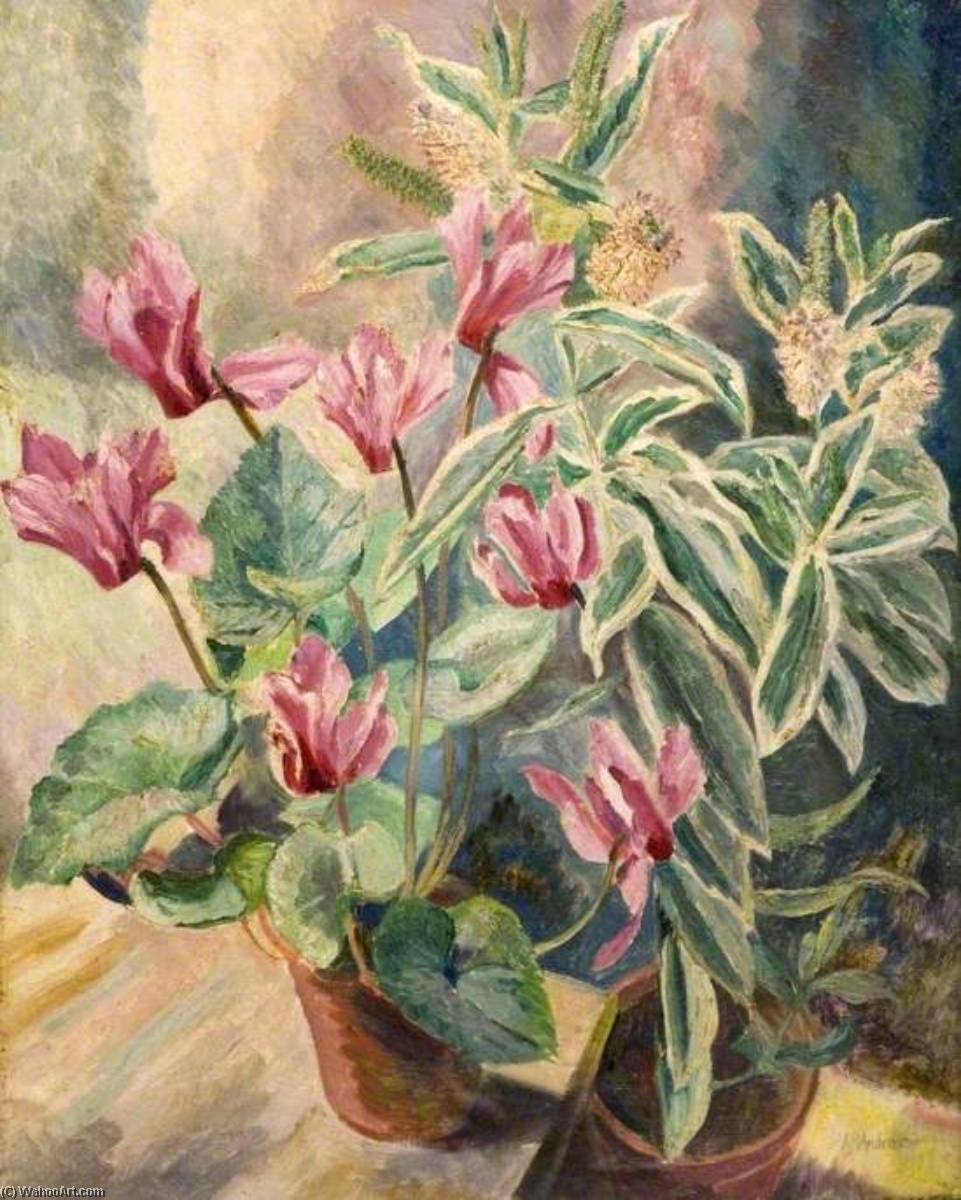
통계 정보Flower Study

- 52.0 x 41.0 cm

 더 보기
더 보기
이 페이지에 표시된 작품은 저작권법의 보호를 받으며, 이에 따라 동일한 복제품을 제작하거나 판매하는 것은 법으로 금지되어 있습니다. 이러한 권리 보호는 다음과 같은 국제 협약에 따라 시행됩니다. 베른 협약 또한 다음에서 명시하는 법률을 포함한 국내법에 의해 보호됩니다. 미국 저작권법 제17조.
이 방식은 저작권 보호를 받는 예술 작품을 복제하거나 그대로 재현하는 것이 아니기에 저작권 규정을 완벽히 준수합니다. 대신, 이는 창의적인 재해석의 과정을 거칩니다. 즉, 원작에서 영감을 받되 원작과 동일하지 않은 새로운 회화 작품을 의미합니다.
지클레 / 아트 프린트
빠른 제작과 다양한 마감 옵션을 제공하는 박물관 수준의 지클레이 및 캔버스 프린트. ( 수작업 채색 복제본 주문하기 디지털 이미지로 전환)




































작품의 원본 비율을 그대로 유지하는 프리셋 사이즈 중에서 선택해 보세요.

액자나 벽면 크기에 맞춰 필요한 가로와 세로 길이를 입력해 주세요. 프린트는 원본 이미지보다 크게 제작할 수 없으며 오직 자르는 것만 가능하므로, 비율이 다른 사이즈를 선택할 경우 이미지의 일부가 잘려 나갈 수 있습니다. 인쇄 작업에 들어가기 전, 최종 확인을 위해 디지털 목업을 보내드립니다. 이 페이지에 표시된 이미지는 실제 잘리는 영역을 나타내지 않으며, 오직 목업을 통해서만 정확한 확인이 가능합니다.


 유리 옵션은 110cm 미만 크기에서만 선택 가능합니다.

Flower Study
지클레 / 아트 프린트
복제본 크기
-


최종 결제 금액
₩ 108063
작가 정보
A Life in Landscapes: The Evocative World of Arthur Henry Andrews
Arthur Henry Andrews (1906–1966) was a British painter and printmaker whose work quietly captured the essence of mid-century England, alongside a deep affection for the sun-drenched landscapes of Italy. Though not a household name, Andrews cultivated a dedicated following through his evocative depictions of rural scenes, charming cottages nestled in Anglesey, and vibrant harbour views from Chioggia and beyond. His paintings offer a glimpse into a world steeped in tradition, yet rendered with a subtle modern sensibility that reflects his artistic training and lifelong commitment to teaching. Andrews’s formal education began at the Royal College of Art (RCA), a pivotal institution for British artists during the interwar period. This grounding provided him with a solid foundation in technique and an appreciation for both classical and contemporary approaches to artmaking. While details regarding his early life remain somewhat scarce, it is clear that he developed a keen eye for detail and a sensitivity to light and atmosphere—qualities that would become hallmarks of his mature style. He wasn’t solely focused on personal artistic expression; Andrews dedicated much of his career to education, teaching art extensively and fostering the talents of numerous students. This commitment suggests a belief in the power of art as a means of communication and cultural preservation.Artistic Development and Influences
Andrews’s early work likely benefited from exposure to the diverse artistic currents circulating within the RCA during his time there. While he did not adhere rigidly to any single school, elements of realism and impressionism can be detected in his paintings, particularly in his handling of light and colour. The influence of British landscape traditions—artists like John Constable and J.M.W. Turner—is also apparent, though Andrews infused these influences with a more restrained and intimate approach. His repertoire was remarkably diverse, ranging from the structured precision of printmaking to the fluid, atmospheric qualities of oil painting. This versatility allowed him to capture different facets of the natural world:- The tranquil, pastoral beauty of English countryside and the rustic charm of Anglesey cottages.
- The luminous, maritime atmosphere of Italian harbours, specifically in locations like Chioggia.
- The dignified presence of human subjects, as seen in his portraiture, such as his evocative depiction of Antoine Lintermans.
Legacy and Historical Significance
Throughout his career, Andrews maintained a delicate balance between the observational accuracy of a realist and the emotive power of an impressionist. His ability to translate the specific light of a Mediterranean afternoon or the misty morning of a British valley into paint allowed him to create works that feel both timeless and deeply personal. By focusing on the quiet beauty of the everyday—a cottage, a harbour, a portrait—he contributed to a mid-century tradition of landscape painting that celebrated the enduring character of the land and its people. Today, his work remains a significant part of the British artistic record, with pieces held in various public collections. His legacy is not only found in the canvases he left behind but also in the generations of students he mentored, ensuring that his appreciation for technique, light, and the beauty of the natural world continued to resonate through the art of others.
Arthur Henry Andrews
1906 - 1966
작가 정보 요약
- Full Name: Arthur Henry Andrews
- Nationality: British
- Date Of Birth: 1906
- Date Of Death: 1966
- Notable Artworks: ['Montmartre, Paris']
- Artistic Movement Or Style: Landscape painting; Impressionism
관련 콘텐츠

Karl Blossfeldt's 'Urformen der Kunst': Pioneering Botanical Photomicrography & Aesthetic Form
Explore Karl Blossfeldt's groundbreaking *Urformen der Kunst* & pioneering botanical photography. Discover the aesthetic power of nature, New Objectivity influences, and his lasting impact on modern art. Learn about collecting key works.
The Flourishing Canvas: A Historical & Artistic Exploration of Botanical Illustration
Explore the rich history of botanical illustration! Discover key artists like Havell & Barraband, learn about scientific accuracy & aesthetic beauty. Shop museum-quality reproductions at OriginalUniqueArt.

The Art of Observation: From Botanical Rigor to the Impressionist Study of Light
Explore the evolution of landscape art from botanical precision to Impressionist light. Discover the masters of nature's true essence.