

 실제 크기로 보기
 보내기
보내기 공유하기
공유하기
 상세 보기
상세 보기 가이드 보기

 이미지 다운로드
 유사 작품 더 보기
 X-레이
X-레이 슬라이드 쇼 보기
 통계 정보
통계 정보Startled


 상세 보기
상세 보기
지클레 / 아트 프린트
빠른 제작과 다양한 마감 옵션을 선택할 수 있는 박물관 수준의 지클레이 및 캔버스 프린트. ( 수작업 채색 복제본 주문하기 디지털 이미지 판매 채널로 전환)




P118B ₩10

P118H ₩10

P118W ₩10

P438Z ₩10

P508JH ₩12

P508YH ₩12

P805H ₩10

P805Z ₩10

P919BZ ₩10

P919G ₩10

P919XJ ₩10

P959ZH ₩10

P968JZ ₩12

W106C ₩8

W218G ₩10

W218JH ₩8

W218Y ₩10

W307PJ ₩10

W316G ₩10

W316PJ ₩8

W316Y ₩10

W398PJ ₩8

W4111J ₩10

W500HY ₩15

W500JH ₩15

W692G ₩12

W849H ₩8

W940BG ₩15

W953PJ ₩8




작품의 원본 비율을 그대로 유지하는 프리셋 사이즈 중에서 선택해 보세요.

특정 프레임이나 공간에 맞춰 직접 치수를 입력하실 수 있습니다. 선택하신 사이즈가 원본 이미지의 비율과 일치하지 않을 경우, 작품을 크롭(자르기)하거나 이미지를 대칭 또는 단색 채우기로 확장하여 제작합니다. 제작 시작 전, 최종 확인을 위해 디지털 목업이 전송됩니다.
화면상의 미리보기는 실제 크롭이나 확장 상태를 반영하지 않으므로, 최종 구도는 오직 목업을 통해서만 정확하게 확인하실 수 있습니다.
맞춤 사이즈 제작도 가능하지만, 원본 비율을 유지하기 위해서는 사전 정의된 목록에서 치수를 선택하시는 것을 권장합니다.


 유리 옵션은 110cm 미만 크기에서만 선택 가능합니다.

Startled
지클레 / 아트 프린트
복제본 규격
-


총 결제 금액
₩ 107369
작가 소개
야생의 선구자: 아서 피츠윌리엄 테이트의 삶과 유산
아서 피츠윌리엄 테이트는 빅토리아 시대 영국 미술사에 있어 기념비적인 인물로, 그의 붓끝은 자연계의 길들여지지 않은 정신에 생명력을 불어넣었습니다. 1819년 리버풀에서 태어난 그의 어린 시절은 아버지의 파산으로 인한 갑작스러운 경제적 불안정으로 인해 어두운 그림자가 드리워져 있었습니다. 그러나 역설적이게도 이러한 시련은 그가 동물계와 깊은 유대감을 형성하는 계기가 되었으며, 자연의 리듬에 대한 평생의 섬세한 감수성을 길러주었습니다. 랭커스터의 친척 집에서 자라게 된 어린 소년 테이트는 관찰하는 눈을 기르기 시작했고, 유년 시절의 소박한 풍경들을 세밀한 묘사와 정서적 깊이가 특징인 그의 예술적 경력을 위한 토대로 변모시켰습니다.
전문 미술계로의 도약은 뜻밖의 행운과도 같았습니다. 불과 열두 살의 나이에 그는 명성 높은 아트 저장소인 애그뉴 앤 자네티(Agnew & Zanetti)에 의해 발견되었습니다. 그들은 테이트의 가공되지 않은 타고난 재능을 알아보고 단순히 그를 고용하는 데 그치지 않고, 회화 기법에 대한 자기 주도적 학습을 독려하며 그의 성장을 적극적으로 지원했습니다. 이러한 초기 멘토링 덕분에 테이트는 석판화 복제의 미묘한 기술을 마스터할 수 있었으며, 이는 훗날 커리어 앤 아이브스(Currier & Ives)와의 전설적인 협업을 통해 그의 순수 미술과 대중의 의식을 연결하는 가교 역할을 하게 되었습니다.
대서양을 건넌 여정과 미국의 개척지
테이트의 인생 궤적은 파리에서 열린 조지 캐틀린(George Catlin)의 전시회를 접한 후 영원히 바뀌었습니다. 미국 개척지의 역동적이고 거친 이미지는 그의 마음속에 불을 지폈고, 이는 1850년 그가 미국으로 이주하는 결정적인 계기가 되었습니다. 이 이주는 단순한 지리적 이동 그 이상이었습니다. 그것은 대자연의 장엄함을 갈구하던 예술가에게 있어 영적인 귀환과도 같았습니다. 애디론댁 산맥에 계절별 작업 캠프를 세운 테이트는 북미의 숨 막히는 풍경 속에 몰입하며 여름을 보냈고, 오직 직접적인 경험을 통해서만 포착할 수 있는 야생의 본질을 진정성 있게 담아냈습니다.
이 시기 그의 작품에는 영국 아카데미의 정밀함과 미국의 낭만주의가 세련되게 어우러지기 시작했습니다. 동물의 털 질감, 물 위로 부서지는 빛의 반짝임, 그리고 숲속 장면의 고요한 긴장감을 구현해내는 그의 능력은 수집가들 사이에서 찬사를 받았습니다. 커리어 앤 아이브스를 통해 발행된 판화들의 성공은 그가 그려낸 미국 서부의 비전이 뉴욕의 갤러리를 넘어 19세기와 20세기 초 미국 삶의 시각적 토대로 자리 잡게 만들었습니다.
기술적 숙련도와 예술적 의의
테이트의 기술적 역량은 사실주의와 분위기 사이의 균동을 맞추는 능력에서 가장 극명하게 드러납니다. 캔버스 위의 유화 작업이든 패널 위의 친밀한 습작이든, 그는 빛과 색채를 다루는 놀라운 통제력을 보여주었습니다. 그의 구성에는 다음과 같은 요소들이 자주 등장합니다.
- 역동적인 야생 동물 초상: 장엄한 황혼 속의 10점 뿔 사슴(Ten Point Buck in Evening Twilight)부터 활기 넘치는 사슴과 새들의 묘사에 이르기까지, 그의 피사체들은 단순한 표본이 아니라 살아있는 서사 속의 주인공들이었습니다.
- 대기감이 느껴지는 풍경: 그는 따뜻한 색조와 부드러운 붓터치를 사용하여 황혼의 고요하고 때로는 우울한 아름다움이나, 햇빛이 내리쬐는 초원의 거친 에너지를 불러일으켰습니다.
- 서사적 사실주의: 프레이리 헌터: 우리를 스쳐 지나간 한 사람(The Prairie Hunter: One Rubbed Our)과 같은 작품들은 풍경과 인간의 상호작용을 포착하는 그의 기술을 보여주며, 스포츠 아트와 심오한 환경적 스토리텔링을 결합합니다.
1858년 뉴욕 국립 디자인 아카데미(National Academy of Design)의 정회원으로 선출될 무렵, 테이트는 이미 야생 동물화의 선구자로서 입지를 굳힌 상태였습니다. 그의 유산은 디트로이트 미술관이나 오트리 미국 서부 박물관과 같이 그의 걸작을 소장한 박물관들에만 머무는 것이 아니라, 예술을 통해 두 대륙을 연결한 방식 그 자체에 존재합니다. 그는 사라져가는 야생의 경이로움을 기록한 찬란한 연대기 작가로 남아 있으며, 자연계의 찰나적인 아름다움을 영원성 있게 포착하여 현대인의 상상력을 끊임없이 매료시키고 있습니다.

아서 피츠윌리엄 테이트
1819 - 1905 , 영국
작가 정보 요약
- Artistic Movement Or Style: 야생화/야생동물 회화
- Artists Who Influenced This Artist: ['조지 캐틀린']
- Date Of Birth: 1819년 2월 5일
- Date Of Death: 1905년 4월 28일
- Full Name: 아서 피츠윌리엄 테이트
- Nationality: 영국
- Notable Artworks:
- 사냥의 명소: 사슴의 보금자리
- 다소 거친 먹이인 병아리들
- 닭
- Place Of Birth: 영국 리버풀
관련 기사
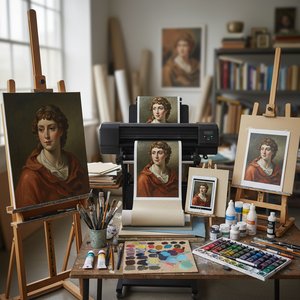
캔버스에 피어나는 예술혼: 유화, 캔버스 및 종이 재현 매체의 심층적 탐구
OriginalUniqueArt에서 유화의 세계를 탐험하세요! 역사와 기법부터 핸드메이드 제작 과정, 커스터마이징 옵션까지 심층적으로 다룹니다. 고품질 유화 재현과 수집 가이드로 예술 작품을 완벽하게 경험하세요.
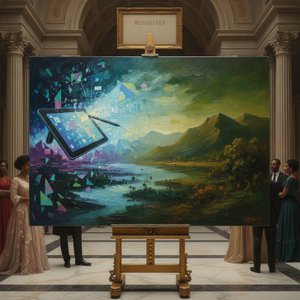
핸드페인티드 오일 리프리카로 디지털 이미지 수익 두 배! OriginalUniqueArt 마켓플레이스에서 전문가가 직접 제작하는 프리미엄 아트
OriginalUniqueArt 마켓플레이스에서 전문가가 직접 제작한 핸드페인티드 오일 리프리카로 디지털 이미지를 수익 두 배! 예술적 정밀도와 품질 보증, 투명한 주문 프로세스로 NFT 수집가에게 최고의 투자 가치 제공.
The Enduring Legacy of Hand-Painted Oil Paintings: Aesthetic Value, Longevity & Emotional Resonance
Explore the enduring legacy of hand-painted oil paintings. Discover the aesthetic value, material longevity & emotional resonance that sets original art—and expertly crafted reproductions—apart. Invest in timeless beauty.

Timeless Elegance: The Exquisite Artistry and Enduring Legacy of Hand-Painted Oil Masterpieces
Elevate your collection with the tactile elegance of hand-painted oil masterpieces. From bespoke reproductions to custom portraits from photography, discover museum-quality artistry crafted by academy-trained experts for discerning collectors and designers worldwide.
From Initial Sketch to Enduring Legacy: A Comprehensive Exploration of the Oil Painting Reproduction Process
Discover the art of museum-quality oil painting reproduction. Explore our expert process, skilled artists & authentic replicas. Elevate your home with timeless beauty – handcrafted and customized to your vision.