

 미리보기
미리보기
 공유하기
공유하기 공유하기
공유하기
 상세 정보
상세 정보

 다운로드
다운로드
 유사 작품
유사 작품 X-레이
X-레이 슬라이드 쇼
 통계 정보
통계 정보Danaë


 더 보기
더 보기
지클레 / 아트 프린트
빠른 제작과 다양한 마감 옵션을 제공하는 박물관 품질의 지클레이 또는 캔버스 프린트. ( 손으로 그린 그림 구매 디지털 이미지로 전환)




P118B $10

P118H $10

P118W $10

P438Z $10

P508JH $12

P508YH $12

P805H $10

P805Z $10

P919BZ $10

P919G $10

P919XJ $10

P959ZH $10

P968JZ $12

W106C $8

W218G $10

W218JH $8

W218Y $10

W307PJ $10

W316G $10

W316PJ $8

W316Y $10

W398PJ $8

W4111J $10

W500HY $15

W500JH $15

W692G $12

W849H $8

W940BG $15

W953PJ $8




작품의 원본 비율을 유지하는 미리 설정된 크기 중에서 선택하세요.

특정 프레임이나 공간에 맞춰 직접 치수를 입력하실 수 있습니다. 선택하신 사이즈가 원본 이미지의 비율과 일치하지 않을 경우, 작품을 크롭(자르기)하거나 이미지를 대칭 또는 단색 채우기로 확장하여 제작합니다. 제작 시작 전, 최종 확인을 위해 디지털 목업이 전송됩니다.
화면상의 미리보기는 실제 크롭이나 확장 상태를 반영하지 않으므로, 최종 구도는 오직 목업을 통해서만 정확하게 확인하실 수 있습니다.
맞춤 사이즈 제작도 가능하지만, 원본 비율을 유지하기 위해서는 사전 정의된 목록에서 치수를 선택하시는 것을 권장합니다.


 유리 옵션은 110cm 미만 크기에서만 선택 가능합니다.

Danaë
지클레 / 아트 프린트
복제본 크기
-


최종 결제 금액
$ 80
A Shower of Gold: Unveiling Artemisia Gentileschi’s *Danaë*
Gentileschi's 1612 *Danaë*, housed at the St. Louis Art Museum, is a captivating example of Baroque artistry imbued with psychological depth and emotional resonance. The painting depicts the mythological tale of Danaë, daughter of King Acrisius, who was visited by Zeus transformed into a golden shower. This dramatic moment, plucked from Ovid’s *Metamorphoses*, is rendered with Gentileschi's signature realism and masterful use of light and shadow. The composition centers on the reclining nude figure of Danaë, her body illuminated against a dark background, while a servant attends to the falling gold coins. The scene isn’t merely illustrative; it’s an intimate exploration of vulnerability, power dynamics, and perhaps even trauma, themes frequently explored in Gentileschi's oeuvre.The Artist & Her Baroque Voice
Artemisia Gentileschi (1593-c. 1653) was a pioneering figure in the male-dominated art world of the 17th century. Trained by her father, Orazio Gentileschi, she quickly surpassed his skill, developing a distinctive style deeply influenced by Caravaggio’s *tenebrism* – a dramatic contrast between light and dark. However, unlike many of her contemporaries, Gentileschi infused her work with an intensely personal perspective, often focusing on female subjects depicted with strength, agency, and complex emotions. Her ability to capture subtle flesh tones and textures is remarkable, foreshadowing the techniques later embraced by artists like Peter Paul Rubens. *Danaë* exemplifies this skill, showcasing a level of anatomical accuracy and emotional intensity rarely seen in paintings of its time.Symbolism & Interpretation
- The Golden Shower: Represents Zeus’s divine power and his forceful seduction of Danaë, but also alludes to wealth, fertility, and the consequences of prophecy.
- Danaë's Pose: Scholars debate whether her posture conveys invitation or resistance. The clenched fist and partially covered legs suggest a complex emotional state – perhaps a mixture of acceptance and apprehension.
- The Attendant: Her presence adds another layer to the narrative, possibly representing complicity, observation, or even a silent witness to an unwanted encounter.
A Lasting Legacy
*Danaë* stands as a testament to Artemisia Gentileschi's artistic brilliance and unwavering determination in the face of societal constraints. The painting is characterized by its masterful use of chiaroscuro, creating a dramatic sense of depth and volume, and its emotionally charged atmosphere. It’s not simply a depiction of a mythological scene; it’s a powerful statement about female experience, resilience, and the enduring legacy of a truly remarkable artist. High-quality reproductions allow art enthusiasts to bring this compelling work into their homes, celebrating Gentileschi's contribution to Baroque painting and her continued relevance in contemporary discourse.작가 약력
A Daughter of Rome: The Life and Art of Artemisia Gentileschi
Artemisia Gentileschi’s name echoes through the halls of art history, resonating not simply as that of a painter, but as an emblem of resilience, defiance, and extraordinary artistic talent in a world determined to silence female voices. Born in Rome in 1593, she entered a milieu steeped in artistry—her father, Orazio Gentileschi, was a respected painter deeply influenced by the revolutionary realism of Caravaggio. From her earliest years, Artemisia’s gift was undeniable, nurtured within her father's workshop where she absorbed techniques of composition and the dramatic use of light and shadow that would become hallmarks of her distinctive style. This formative training wasn’t merely about mastering brushstrokes; it was an immersion into a world of artistic ambition, one typically closed to women. Recognizing his daughter’s exceptional talent, Orazio provided opportunities unavailable to most females of the era, allowing her to study from life models—a crucial step in developing anatomical accuracy and expressive power.
Early Artistic Development & Caravaggio's Influence
Gentileschi’s artistic development was profoundly shaped by Caravaggio’s tenebrism—the stark contrast between light and darkness that imbued his paintings with an intense emotionality. Yet, she didn’t simply mimic her father or Caravaggio; she forged her own unique voice, characterized by a raw psychological depth and a compelling focus on female subjects often depicted with unprecedented agency and strength. Even in her early works, like *Susanna and the Elders* (1610), a biblical scene depicting Susanna being spied upon by two lecherous old men, Artemisia’s interpretation diverges from traditional portrayals. Here, Susanna isn't passively vulnerable; she displays a quiet dignity and resistance, foreshadowing the powerful female figures that would dominate her later oeuvre. Caravaggio’s dramatic style instilled in Gentileschi a belief in portraying emotion with uncompromising honesty—a conviction that would permeate her entire artistic career.
The Trial & Trauma: Shaping Her Artistic Vision
A pivotal moment in Artemisia’s life was the rape perpetrated by Agostino Tassi, a fellow painter and collaborator of her father’s. The ensuing trial (1612-1613) became a public spectacle, subjecting Artemisia to grueling questioning and societal scrutiny. While she bravely testified against Tassi—despite facing considerable prejudice and attempts to discredit her character—the proceedings were marred by bias and injustice. This traumatic experience indelibly imprinted upon Gentileschi’s psyche, fueling an unwavering determination to confront difficult truths and challenge prevailing social norms. The trial itself served as a potent symbol of the obstacles faced by women seeking justice in a patriarchal society.
Florence & Recognition: Embracing Independence
Following the trial, Artemisia relocated to Florence where she established herself as an independent artist—a remarkable achievement considering the limitations imposed upon women artists during that period. She joined the *Accademia delle Arti del Disegno*, becoming the first woman admitted to the Academy—a landmark decision that validated her talent and secured her access to artistic networks previously unavailable to female practitioners. In Florence, Gentileschi cultivated relationships with influential patrons and honed her distinctive style, characterized by vibrant colors and a masterful command of chiaroscuro. Her work reflected not only her technical prowess but also her unwavering commitment to portraying women with dignity and strength—a stance that distinguished her from many contemporaries.
Legacy & Enduring Influence
Artemisia Gentileschi’s artistic legacy extends far beyond her individual masterpieces. She stands as a beacon of courage and perseverance, demonstrating that women could achieve greatness in fields traditionally dominated by men. Her paintings continue to captivate audiences worldwide—inspiring admiration for their emotional intensity, dramatic realism, and profound psychological insight. Artemisia Gentileschi's story serves as a powerful reminder of the importance of recognizing and celebrating the contributions of women throughout history—and of upholding the values of justice, compassion, and artistic freedom.

아르테미시아 제네틸스키
1593 - 1656 , 이탈리아
주요 정보
- Artistic Movement Or Style: 바로크 미술
- Artists Or Movements Influenced By This Artist: ['여성 예술가']
- Artists Who Influenced This Artist:
- 카라바조
- 오라지오 겐텔스키
- Date Of Birth: 1593년 7월 8일
- Date Of Death: 1652년 또는 1653년
- Full Name: Artemisia Gentileschi
- Nationality: 이탈리아인
- Notable Artworks:
- 유다의 홀로페네스 처형 장면
- 수사나와 장로들
- Place Of Birth: 로마, 이탈리아
관련 기사 더 보기
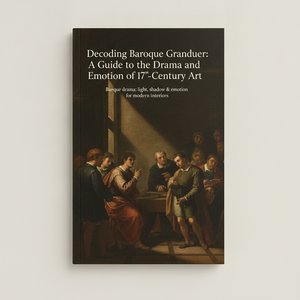
Decoding Baroque Grandeur: A Guide to the Drama and Emotion of 17th-Century Art
Explore the breathtaking drama of 17th-century Baroque art. Our expert guide decodes the use of chiaroscuro, emotional intensity, and historical grandeur to help you appreciate and curate timeless masterpieces for your collection.

Baroque Classicism: The Grandeur of Order and Drama in 17th-Century Art History
Explore the profound elegance of Baroque Classicism. Discover how 17th-century masters synthesized dramatic emotion with classical order through the lens of the Counter-Reformation and the works of legends like Carlo Maratta and Andrea Sacchi.

화려함 속에 감춰진 진실! 바로크 미술을 정의한 10대 걸작 탐구
화려함과 극적인 표현이 압권! 바로크 미술을 대표하는 10대 걸작의 숨겨진 이야기를 만나보세요. 베르니니, 루벤스 등 거장의 작품부터 바로크 색감, 예술적 기법까지 – OriginalUniqueArt.com에서 명품 복제 & 인테리어 영감을 얻으세요! 지금 바로 컬렉션을 탐험해보세요.

Beyond the Shadows: The Powerful Legacies of Artemisia Gentileschi and Berthe Morisot
Explore the profound legacies of Artemisia Gentileschi and Berthe Morisot. Discover how these female masters redefined the Baroque and Impressionist eras through dramatic chiaroscuro and luminous light, leaving an indelible mark on art history and modern aesthetics.

Beyond the Shadows: The Powerful Legacies of Artemisia Gentileschi and Berthe Morisot
Explore the profound legacies of Artemisia Gentileschi and Berthe Morisot. Discover how these female masters redefined the Baroque and Impressionist eras through dramatic chiaroscuro and luminous light in this expert art-history guide for collectors and enthusiasts.


