- 홈

- 디지털 이미지 작품
- arnold gara
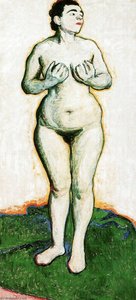
- Nude

 프린트 구매하기
 공유하기
공유하기 공유하기
공유하기
 상세 정보
상세 정보

 다운로드
다운로드
 유사 작품
유사 작품 X-레이
X-레이 슬라이드 쇼
Nude
 1910
1910 156.0 x 72.0 cm
 Rippl-rónai Museum
 더 보기
더 보기
온라인 미리보기보다 훨씬 뛰어난 품질의 고해상도 디지털 이미지를 구매해 보세요.
각 파일은 사내 전문가가 고급 도구와 숙련된 수동 리터칭 기술을 사용하여 세심하게 준비합니다. 우리는 모든 이미지가 탁월한 선명도, 정확한 색상 재현력, 그리고 미세한 디테일까지 완벽하게 갖추도록 보장합니다.
최종 파일은 전문적인 편집 및 인쇄 환경에서 즉시 사용할 수 있도록 최적화되어 72시간 이내에 이메일로 발송됩니다. 이는 세계적인 디자인 스튜디오, 출판사 및 갤러리가 신뢰하는 것과 동일한 품질입니다.
모든 디지털 이미지 주문에 포함된 혜택
전문적인 디지털 이미지 전송 보장
OriginalUniqueArt.com를 선택하시면 단순히 이미지를 받는 것을 넘어, 정밀한 보정 과정을 거친 전문적인 디지털 예술 작품을 만나보실 수 있습니다. 모든 작품에는 만족 보장 서비스가 함께 제공되며, 주문 시 다음과 같은 사항들이 자동으로 포함됩니다:

빠른 이메일 전송
주문 후 72시간 이내에 고해상도 디지털 이미지 파일이 이메일로 발송되며, 즉시 사용하실 수 있습니다.

AI 기술로 향상된 디지털 파일
귀하의 작품은 고급 AI 도구와 수동 편집 과정을 거쳐 전문적으로 최적화되며, 이를 통해 디테일과 선명도, 색상의 정확도를 극대화합니다.

평생 무료 재전송 서비스
파일을 실수로 삭제하거나 분실하셨나요? 걱정 마세요. 언제든 무료로 다시 보내드립니다.

추가 수입 비용 없음 - 언제나
관세나 부가세, 배송비 부담 없이 작품을 즉시 감상하세요 - 디지털 다운로드는 언제나 면세 혜택이 적용됩니다.

정확한 색상 보장
전문적인 도구와 색상 관리 시스템을 통해 디지털 이미지가 원본의 색상을 최대한 정확하게 구현하도록 보장합니다.

60일 만족 보장제
구매하신 디지털 이미지에 만족하지 못하실 경우, 60일 이내에 수정 또는 100% 환불을 진행해 드립니다 - 어떠한 문의도 필요 없습니다.

100% 환불 보장
만족하지 못하셨나요? 디지털 파일을 수령하신 후 60일 이내라면 별도의 이유를 밝힐 필요 없이 전액 환불해 드립니다.

대량 주문 할인
이미지 3매 구매 시 10% 할인 - 5매 구매 시 15% 할인 - 10매 이상 구매 시 20% 할인. 크리에이티브 프로젝트, 갤러리, 에이전시에 매우 유용합니다.
작가 소개
Arnold Gara: A Hungarian Visionary of the Twenties
The art world of the 1920s was a crucible, forging new styles and challenging established norms. Amidst this vibrant period of experimentation, Arnold Gara (1882-1929) emerged as a singular voice in Hungarian art – a master of meticulous detail, evocative symbolism, and a deeply personal vision that blended influences from Symbolism, Art Nouveau, and the burgeoning world of graphic design. Born in Budapest, Gara’s life was tragically cut short at the age of 47, leaving behind a remarkably rich body of work that continues to captivate viewers with its haunting beauty and subtle emotional depth.
Gara's early artistic training began at the School of Applied Arts in Nagybánya (present-day Gyula), where he honed his skills in copper etching. This foundational experience proved crucial, as it introduced him to a technique that would become synonymous with his style – the “pointing” method, a complex and demanding process involving multiple layers of etched lines to create subtle tonal variations and intricate details. He later studied in Germany, absorbing European artistic trends while simultaneously developing his own distinct aesthetic. His move to Budapest marked a pivotal moment, establishing him as a key figure within the Hungarian art scene.
The Language of Still Life and Nude
Gara’s oeuvre is primarily defined by his masterful still lifes and intimate self-portraits. These works are not merely depictions of objects or individuals; they are carefully constructed narratives imbued with symbolism and a profound sense of melancholy. His still lifes, often featuring everyday items like teapots, glass bottles, and flowers, are rendered with an almost obsessive attention to detail – the glint of light on polished surfaces, the delicate folds of fabric, the subtle textures of fruit and foliage. These seemingly simple scenes become portals into a world of quiet contemplation, inviting viewers to consider themes of beauty, mortality, and the passage of time.
His self-portraits are perhaps even more revealing, offering glimpses into the artist’s inner life. These works are characterized by a vulnerability and introspection rarely seen in portraiture of the era. Gara doesn't shy away from depicting his own aging features, capturing the lines etched on his face as evidence of experience and sorrow. The use of muted colors and carefully controlled lighting further enhances the mood of quiet reflection.
Technique and Influences
Gara’s technical skill is undeniable. His mastery of copper etching allowed him to achieve an extraordinary level of precision and tonal control, creating images that are both visually stunning and emotionally resonant. He was a pioneer in utilizing the “pointing” technique, developing innovative methods for layering lines to build up complex textures and subtle gradations of light and shadow. This meticulous approach demanded immense patience and dedication, reflecting his commitment to artistic excellence.
While Gara’s work is undeniably rooted in Hungarian tradition, it also reveals a clear influence from European Symbolism and Art Nouveau. The evocative symbolism found throughout his paintings – references to death, beauty, and the ephemeral nature of life – are hallmarks of the Symbolist movement. Similarly, the flowing lines, decorative motifs, and emphasis on natural forms characteristic of Art Nouveau can be seen in his compositions. However, Gara’s work transcends mere stylistic imitation; he synthesized these influences into a uniquely personal vision.
Legacy and Recognition
Despite his untimely death at the age of 47, Arnold Gara left an indelible mark on Hungarian art. His innovative techniques, evocative imagery, and profound emotional depth continue to resonate with viewers today. He was recognized during his lifetime for his contributions to the Hungarian artistic community, receiving prestigious awards including the Stalin Prize in 1948 for his ballet *Seven Beauties*. Today, Gara’s work is housed in prominent museums and private collections throughout Hungary and abroad, ensuring that this remarkable artist's vision will continue to inspire generations of artists and art lovers.
His paintings, particularly those depicting the Sió River and scenes of everyday life, offer a poignant glimpse into a bygone era – a time of both artistic innovation and personal tragedy. Arnold Gara’s legacy is not simply that of a skilled artist; it is that of a sensitive observer who captured the beauty and melancholy of the human condition with unparalleled grace and precision.
arnold gara
1882 - 1929
주요 정보
- Artistic Movement Or Style: Nude Art, Landscape Artist
- Date Of Birth: 1882
- Date Of Death: 1929
- Full Name: Arnold Gara
- Nationality: Hungarian
- Notable Artworks:
- Fishing Boats on the Sió
- Hillside in Sunshine
- Self Portrait
- Place Of Birth: WahooArt

