
 미리보기
미리보기
 프린트 구매
 공유하기
공유하기 공유하기
공유하기
 상세 정보
상세 정보

 다운로드
다운로드
 유사 작품
유사 작품 X-레이
X-레이 슬라이드 쇼
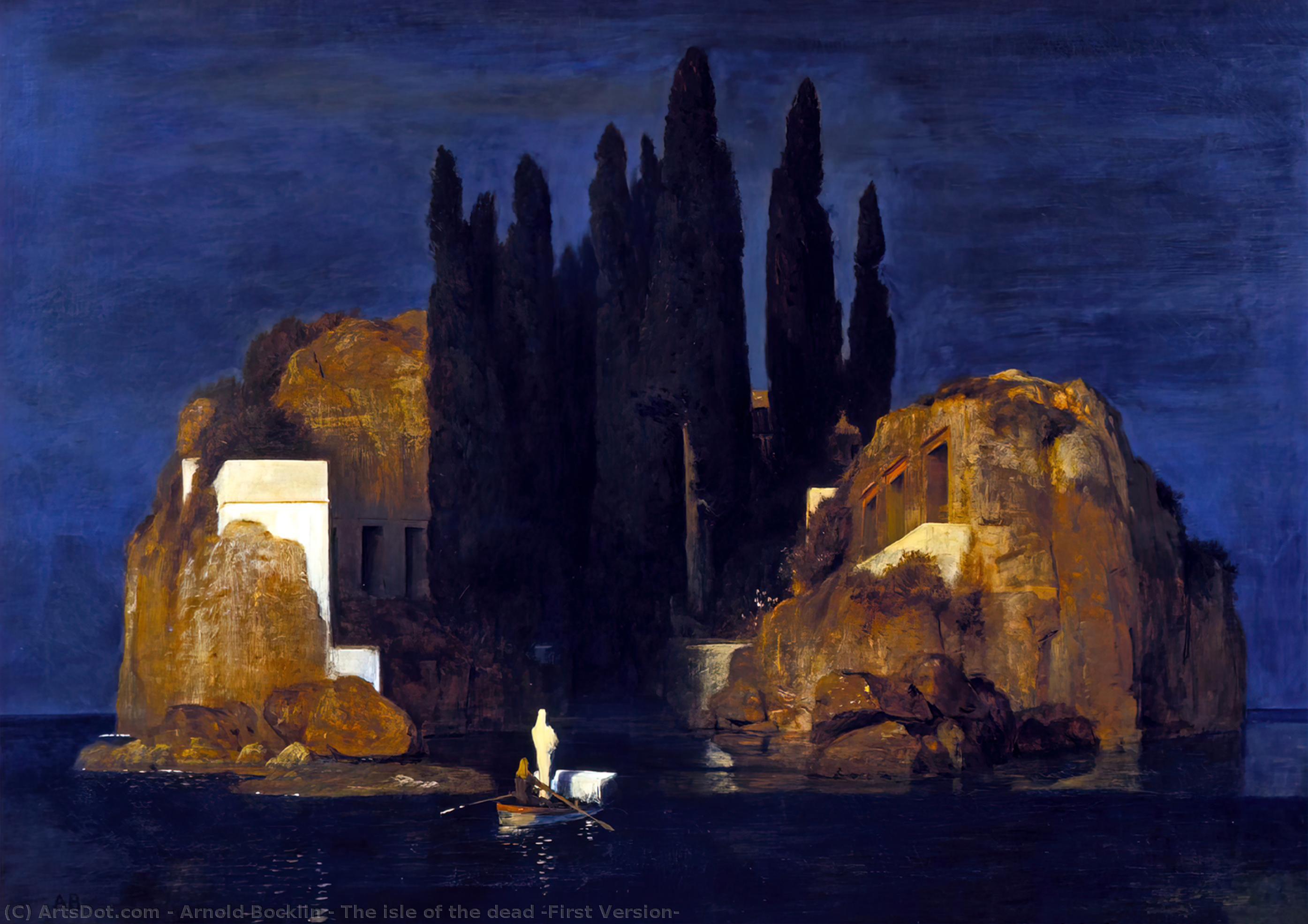
The isle of the dead (First Version)
 Oil On Canvas
- WallArt
- Symbolist Movement
 1880
1880- 19th Century
 111.0 x 155.0 cm
 바젤 미술관
 더 보기
더 보기




P118B $10

P118H $10

P118W $10

P438Z $10

P508JH $12

P508YH $12

P805H $10

P805Z $10

P919BZ $10

P919G $10

P919XJ $10

P959ZH $10

P968JZ $12

W106C $8

W218G $10

W218JH $8

W218Y $10

W307PJ $10

W316G $10

W316PJ $8

W316Y $10

W398PJ $8

W4111J $10

W500HY $15

W500JH $15

W692G $12

W849H $8

W940BG $15

W953PJ $8




작품의 원본 비율을 유지하는 미리 설정된 크기 중에서 선택하세요.

특정 프레임이나 공간에 맞도록 직접 크기를 입력할 수 있습니다. 선택하신 크기가 원본 이미지의 비율과 일치하지 않는 경우, 작품을 자르거나 추가적인 손으로 그린 요소를 사용하여 그림을 확장합니다. 제작 시작 전 승인을 위해 디지털 목업을 보내드립니다.
화면 미리 보기는 실제 자르기 또는 확장을 반영하지 않습니다. 최종 구성은 목업을 통해서만 정확하게 확인하실 수 있습니다.
맞춤 크기 제작도 가능하지만, 원본 비율을 유지하기 위해 사전 정의된 목록에서 크기를 선택하시는 것을 권장합니다.
주문 후 OriginalUniqueArt.com 팀에서 상세 안내를 위해 고객님께 이메일을 보내드리며, 미리보기 시안을 제공해 드립니다.


 유리 옵션은 110cm 미만 크기에서만 선택 가능합니다.

The isle of the dead (First Version)
재현 기법
복제본 크기
-


최종 결제 금액
$ 300
작품 상세 설명
A Journey into the Sublime: The Enigmatic World of Böcklin
In the quiet, shadowed corridors of art history, few images possess the haunting magnetism of Arnold Böcklin’s The Isle of the Dead (First Version). Completed in the early 1880s, this masterpiece serves as a profound gateway into the Symbolist movement, where the artist’s brush seeks not to mirror reality, but to evoke the intangible whispers of the soul. As one gazes upon this monumental canvas, they are immediately transported to a realm of profound stillness and spectral beauty. The scene is dominated by a desolate, rocky islet, rising sharply from dark, turbulent waters like a monument to the eternal. Towering cypress trees, those ancient sentinels of mourning, pierce the heavy atmosphere, their dark silhouettes anchoring the composition in a state of perpetual twilight. It is an immersive experience that invites the viewer to step away from the clamor of the modern world and enter a space of deep, meditative contemplation.
The emotional resonance of the work lies in its masterful use of chiaroscuro—the dramatic interplay between light and shadow. Böcklin employs a meticulous oil painting technique, utilizing smooth gradations of color to create an atmospheric gloom that feels almost tactile. The water, dark and brooding, seems to swallow the light, while the starkness of the rocks provides a sense of unyielding permanence. This technical precision allows for a palpable sense of mystery; every ripple in the water and every shadow cast by the cypress trees contributes to a narrative of solitude and transition. For the collector or interior designer, this painting offers more than mere decoration; it provides a focal point of immense gravity, capable of anchoring a room with its somber elegance and sophisticated depth.
Symbolism and the Voyage of the Soul
Beyond its striking aesthetic, the painting is a rich tapestry of mythological and folkloric references. The lone rowing boat, approaching the shore with a shrouded figure at its helm, serves as a powerful metaphor for the final journey of the deceased. Scholars often draw parallels to the classical myth of Charon, the ferryman of Hades, suggesting that this islet is a destination within the underworld itself. This interpretation imbues the work with a universal weight, touching upon the shared human experience of mortality and the mystery of what lies beyond the veil. The cypress trees, traditionally associated with cemeteries and grief, reinforce this theme of remembrance and the cyclical nature of life and death.
Böcklin himself remained famously elusive regarding his specific intentions, allowing the painting to remain an open vessel for individual interpretation. This ambiguity is precisely what gives the work its enduring power; it is a mirror for the viewer's own emotions, whether they find peace in its stillness or trepidation in its shadows. To possess a high-quality reproduction of this work is to invite a piece of the sublime into one's personal space—a constant reminder of the beauty found in the ephemeral and the profound strength found in silence. It is an ideal acquisition for those who appreciate art that challenges the intellect while deeply stirring the heart.
작가 약력
초기 생애와 교육
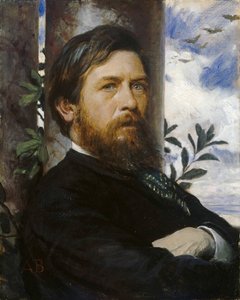
아르놀트 뵈클린은 스위스의 상징주의 화가로, 1827년 10월 16일 스위스 바젤에서 태어났습니다. 그의 아버지 크리스티안 프리드리히 뵈클린은 샤프하우젠의 유서 깊은 가문 출신으로 비단 무역에 종사하였으며, 그의 어머니 우르술라 리페 역시 바젤 태생이었습니다. 뵈클린은 뒤셀도르프 아카데미에서 쉬르머(Schirmer) 문하에 수학하며 안젤름 페어바흐와 우정을 나누는 예술가로 성장하였고, 이는 그를 뒤셀도르프 화파의 흐름과 연결해 주었습니다.예술적 여정과 상징주의
뵈클린의 예술적 여정은 파리를 비롯한 여러 도시로 이어졌습니다. 그는 루브르 박물관에서 근무하며 예술적 지평을 넓혔고, 로마의 경이로운 풍경들로부터 깊은 영감을 받았습니다. 그의 작품 세계는 고전 건축을 배경으로 알레고리와 신화적 인물들을 등장시키며, 죽음과 필멸성이라는 심오한 주제를 탐구하는 데 집중되었습니다.- 그의 초기작 중 하나인 대공원(Great Park)은 고대 신화를 생생하게 보여줍니다.
- 이 시기의 주목할 만한 작품으로는 님프와 사티로스(1858)와 사포(1859)가 있습니다.
- 또한 뵈클린의 자화상: 죽음이 바이올린을 연주하는 모습(1872)은 그의 독창적인 화풍을 극명하게 보여주는 사례입니다.
유산과 영향력
뵈클린은 무엇보다 다섯 가지 버전으로 제작된 죽음의 섬(1880-1886)으로 가장 잘 알려져 있습니다. 이 작품은 그의 딸이 안치된 피렌체의 영국인 묘지를 떠올리게 하는 애틋한 정서를 담고 있습니다. 그의 예술적 성취는 한스 토마와 같은 후배 예술가들에게 영향을 미쳤을 뿐만 아니라, 여러 후기 낭만주의 작곡가들에게 영감을 불어넣었습니다.- 비평가 클레멘트 그린버그는 뵈클린의 작품을 당대의 "가장 완숙한 표현 중 하나"라고 극찬했습니다.
- 뵈클린의 화풍은 라파엘 전파와도 맞닿아 있으며, 꿈과 신비주의의 세계를 강조하는 특징을 지닙니다.
박물관 및 소장처
뵈클린의 걸작들은 현재 다음과 같은 여러 박물관에 소중히 보존되어 있습니다:- 외프엔틀리헤 쿠nstsammlung (스위스 바젤)
- 바젤 미술관 (스위스)
- 취리히 미술관 (스위스 취리히)
아르놀트 뵈클린
1827 - 1901
주요 정보
- Artistic Movement Or Style: 상징주의
- Artists Or Movements Influenced By This Artist:
- 한스 토마
- 라파엘 전파
- Artists Who Influenced This Artist:
- 쉬르머
- 포이어바흐
- Date Of Birth: 1827년 10월 16일
- Date Of Death: 1901년 1월 16일
- Full Name: 아르놀트 뵈클린
- Nationality: 스위스
- Notable Artworks:
- 죽음의 섬
- 님프와 사티로스
- 사포
- 자화상
- Place Of Birth: 스위스 바젤
관련 기사 더 보기

Echoes of Absence: Loss & Grief in Visual Art Through the Ages
Explore the profound history of grief in art, from Renaissance masterpieces to contemporary expressions. Discover how artists have captured loss, mourning, and mortality through powerful imagery & symbolism. OriginalUniqueArt offers expert insights.
상징주의를 정의한 10대 걸작: 예술과 내면의 깊이를 만나다 | 와후아트
상징주의 미술의 정수를 담은 10대 걸작을 만나보세요! 모네, 드가 등 거장의 작품부터 보쉬, 쇠랑크까지, 와후아트에서 예술적 영감과 홈 데코 아이디어를 얻으세요. 지금 바로 온라인 컬렉션을 탐험해보세요.
히에로니무스 보쉬 최고 걸작 25선: 신비로운 상상력의 세계 (Hieronymus Bosch Top 25 Masterpieces: A World of Mysterious Imagination)
히에로니무스 보쉬의 최고 걸작 25점을 만나보세요. 중세 미술 거장의 신비로운 상상력과 종교적 상징이 담긴 명작들을 감상하고, 오일 페인팅 기법과 독특한 화풍을 탐구하세요. OriginalUniqueArt.com에서 고품질 복제화와 인테리어 액자로 예술 작품을 소장하세요.
Iconic Art of the 18th & 19th Centuries: Masterpieces for Your Home | OriginalUniqueArt
Journey through 18th & 19th century art! Explore iconic masterpieces by Monet, Van Gogh & more. Discover the stories behind these timeless paintings and find museum-quality reproductions for your home at OriginalUniqueArt.com.
Thomas Barker of Bath: Landscape Painting & Societal Reflection in Early 19th-Century England
Explore the life & work of Thomas Barker of Bath, a key figure in 19th-century English Romanticism. Discover his Parisian success, iconic paintings like 'The Bride of Death', and lasting artistic legacy. Learn more at OriginalUniqueArt.


