
 실제 크기로 보기
 보내기
보내기 공유하기
공유하기
 상세 보기
상세 보기 가이드 보기

 이미지 다운로드
 유사 작품 더 보기
 X-레이
X-레이 슬라이드 쇼 보기
 통계 정보
통계 정보The Awakening of Spring


 상세 보기
상세 보기
지클레 / 아트 프린트
빠른 제작과 다양한 마감 옵션을 선택할 수 있는 박물관 수준의 지클레이 및 캔버스 프린트. ( 수작업 채색 복제본 주문하기 디지털 이미지 판매 채널로 전환)




P118B $10

P118H $10

P118W $10

P438Z $10

P508JH $12

P508YH $12

P805H $10

P805Z $10

P919BZ $10

P919G $10

P919XJ $10

P959ZH $10

P968JZ $12

W106C $8

W218G $10

W218JH $8

W218Y $10

W307PJ $10

W316G $10

W316PJ $8

W316Y $10

W398PJ $8

W4111J $10

W500HY $15

W500JH $15

W692G $12

W849H $8

W940BG $15

W953PJ $8




작품의 원본 비율을 그대로 유지하는 프리셋 사이즈 중에서 선택해 보세요.

특정 프레임이나 공간에 맞춰 직접 치수를 입력하실 수 있습니다. 선택하신 사이즈가 원본 이미지의 비율과 일치하지 않을 경우, 작품을 크롭(자르기)하거나 이미지를 대칭 또는 단색 채우기로 확장하여 제작합니다. 제작 시작 전, 최종 확인을 위해 디지털 목업이 전송됩니다.
화면상의 미리보기는 실제 크롭이나 확장 상태를 반영하지 않으므로, 최종 구도는 오직 목업을 통해서만 정확하게 확인하실 수 있습니다.
맞춤 사이즈 제작도 가능하지만, 원본 비율을 유지하기 위해서는 사전 정의된 목록에서 치수를 선택하시는 것을 권장합니다.


 유리 옵션은 110cm 미만 크기에서만 선택 가능합니다.

The Awakening of Spring
지클레 / 아트 프린트
복제본 규격
-


총 결제 금액
$ 80
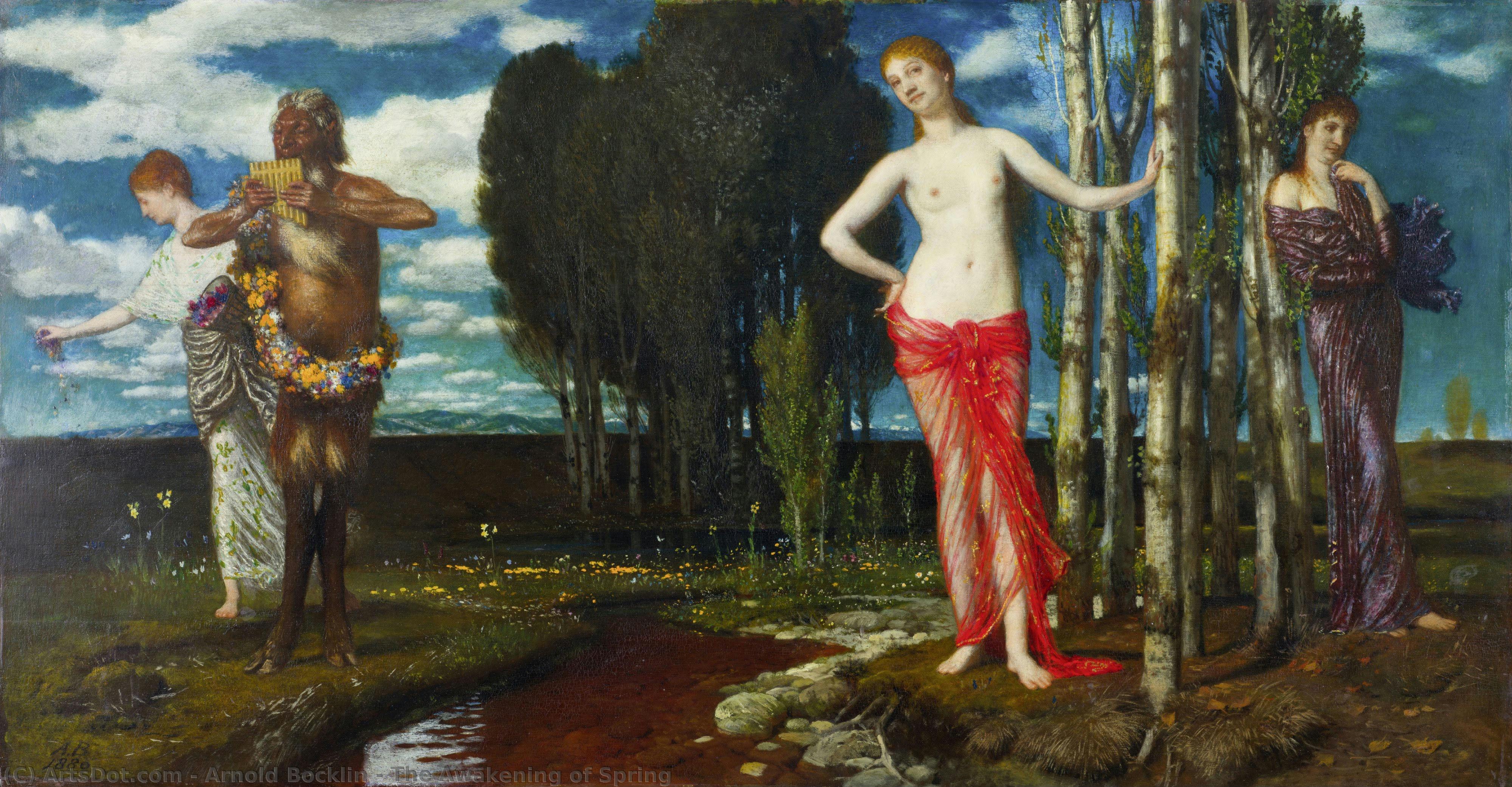
A Dreamscape of Renewal: Arnold Böcklin’s “The Awakening of Spring”
Arnold Böcklin's "The Awakening of Spring" (Frühlingserwachen), painted in 1880, isn’t merely a depiction of springtime; it’s an immersion into a realm of potent symbolism and haunting beauty. This oil-on-wood panel, currently residing within the Kunsthaus Zürich’s collection, immediately draws the viewer into a world where the boundaries between reality and dream blur, inviting contemplation on themes of rebirth, mortality, and the ephemeral nature of existence. Böcklin, a pivotal figure in the Symbolist movement, masterfully employs muted colors—primarily blues, greens, and browns—to create an atmosphere of serene melancholy, a characteristic deeply rooted in his exploration of death and the subconscious.
The scene unfolds with a group of nude women, their forms graceful yet subtly melancholic, gathered around a cluster of blossoming trees. They are not engaged in boisterous revelry but rather seem lost in quiet contemplation, embodying a sense of serene detachment from the world. Their poses—one holding her hands to her hips, another gazing into the distance—suggest a profound connection with nature and an awareness of their own vulnerability within it. The figures aren’t presented as idealized beauties; instead, they possess a certain fragility and timelessness, reflecting Böcklin's fascination with archetypal imagery and the enduring power of myth.
The Roots of Symbolism: Context and Influences
To fully appreciate “The Awakening of Spring,” it’s crucial to understand the artistic currents that shaped Böcklin’s vision. The late 19th century witnessed a growing disillusionment with rationalism and industrialization, leading artists and intellectuals alike to seek solace in the realms of myth, folklore, and the subconscious. Symbolism, emerging from this context, rejected realism in favor of evocative imagery designed to stimulate emotional and spiritual responses. Böcklin’s work is profoundly influenced by Pre-Raphaelitism, particularly the romantic landscapes and allegorical figures of artists like William Holman Hunt and Dante Gabriel Rossetti. Furthermore, he drew inspiration from the writings of Edgar Allan Poe and the philosophies of Friedrich Nietzsche, incorporating elements of darkness, decay, and psychological intensity into his compositions.
The painting’s genesis is intertwined with a personal tragedy – Böcklin's daughter, Maria, died at a young age. This loss undoubtedly fueled his preoccupation with themes of mortality and the cyclical nature of life and death. The image of the “Isle of the Dead,” which he revisited repeatedly throughout his career, served as a visual anchor for these explorations, providing a framework for depicting the transition between worlds.
Decoding the Symbolism: Figures and Flora
Each element within "The Awakening of Spring" carries symbolic weight. The nude figures represent not just physical beauty but also vulnerability, innocence, and a connection to the natural world. Their lack of adornment emphasizes their essential nature, stripped bare of societal constraints. The trees themselves are laden with blossoms—a potent symbol of rebirth, fertility, and the promise of new beginnings. However, the muted palette and the figures’ somber expressions suggest that this renewal is not without its melancholy undertones. The presence of a single bird in the upper left corner adds another layer of meaning, representing hope and freedom amidst the prevailing atmosphere of quiet contemplation.
Notably, the painting echoes Botticelli's "Primavera," a work that itself embodies the themes of spring and renewal. Böcklin’s interpretation, however, is far more introspective and psychologically complex, reflecting his Symbolist sensibilities. The figures are not celebrating the arrival of spring; they are engaged in a silent dialogue with its mysteries—a meditation on life's fleeting beauty and inevitable decay.
A Timeless Resonance: Emotional Impact and Legacy
“The Awakening of Spring” continues to resonate deeply with viewers today, largely due to its evocative atmosphere and profound exploration of universal themes. It’s a painting that invites introspection, prompting us to consider our own relationship with nature, mortality, and the enduring power of dreams. The work's haunting beauty and subtle symbolism have cemented Böcklin’s place as one of the most important figures in Symbolist art, influencing generations of artists and inspiring countless interpretations. Reproductions of this masterpiece offer a window into a world of profound emotional depth—a testament to Böcklin’s extraordinary artistic vision.
작가 소개
초기 생애와 교육
아르놀트 뵈클린은 스위스의 상징주의 화가로, 1827년 10월 16일 스위스 바젤에서 태어났습니다. 그의 아버지 크리스티안 프리드리히 뵈클린은 샤프하우젠의 유서 깊은 가문 출신으로 비단 무역에 종사하였으며, 그의 어머니 우르술라 리페 역시 바젤 태생이었습니다. 뵈클린은 뒤셀도르프 아카데미에서 쉬르머(Schirmer) 문하에 수학하며 안젤름 페어바흐와 우정을 나누는 예술가로 성장하였고, 이는 그를 뒤셀도르프 화파의 흐름과 연결해 주었습니다.예술적 여정과 상징주의
뵈클린의 예술적 여정은 파리를 비롯한 여러 도시로 이어졌습니다. 그는 루브르 박물관에서 근무하며 예술적 지평을 넓혔고, 로마의 경이로운 풍경들로부터 깊은 영감을 받았습니다. 그의 작품 세계는 고전 건축을 배경으로 알레고리와 신화적 인물들을 등장시키며, 죽음과 필멸성이라는 심오한 주제를 탐구하는 데 집중되었습니다.- 그의 초기작 중 하나인 대공원(Great Park)은 고대 신화를 생생하게 보여줍니다.
- 이 시기의 주목할 만한 작품으로는 님프와 사티로스(1858)와 사포(1859)가 있습니다.
- 또한 뵈클린의 자화상: 죽음이 바이올린을 연주하는 모습(1872)은 그의 독창적인 화풍을 극명하게 보여주는 사례입니다.
유산과 영향력
뵈클린은 무엇보다 다섯 가지 버전으로 제작된 죽음의 섬(1880-1886)으로 가장 잘 알려져 있습니다. 이 작품은 그의 딸이 안치된 피렌체의 영국인 묘지를 떠올리게 하는 애틋한 정서를 담고 있습니다. 그의 예술적 성취는 한스 토마와 같은 후배 예술가들에게 영향을 미쳤을 뿐만 아니라, 여러 후기 낭만주의 작곡가들에게 영감을 불어넣었습니다.- 비평가 클레멘트 그린버그는 뵈클린의 작품을 당대의 "가장 완숙한 표현 중 하나"라고 극찬했습니다.
- 뵈클린의 화풍은 라파엘 전파와도 맞닿아 있으며, 꿈과 신비주의의 세계를 강조하는 특징을 지닙니다.
박물관 및 소장처
뵈클린의 걸작들은 현재 다음과 같은 여러 박물관에 소중히 보존되어 있습니다:- 외프엔틀리헤 쿠nstsammlung (스위스 바젤)
- 바젤 미술관 (스위스)
- 취리히 미술관 (스위스 취리히)
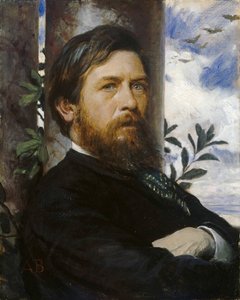
아르놀트 뵈클린
1827 - 1901
작가 정보 요약
- Artistic Movement Or Style: 상징주의
- Artists Or Movements Influenced By This Artist:
- 한스 토마
- 라파엘 전파
- Artists Who Influenced This Artist:
- 쉬르머
- 포이어바흐
- Date Of Birth: 1827년 10월 16일
- Date Of Death: 1901년 1월 16일
- Full Name: 아르놀트 뵈클린
- Nationality: 스위스
- Notable Artworks:
- 죽음의 섬
- 님프와 사티로스
- 사포
- 자화상
- Place Of Birth: 스위스 바젤
관련 기사

Arboreal Echoes: A Historical & Artistic Exploration of Trees in Painting
Explore the rich history of trees in painting! Discover symbolism, Romantic masterpieces by Caspar David Friedrich & beyond. A curated journey for art enthusiasts.
Portrayals of Power & Perception: A Historical Survey of Women in Art
Explore the rich history of women in art – from iconic muses to groundbreaking artists. Discover feminist movements & reclaim female narratives with OriginalUniqueArt. Expert insights for discerning collectors.

The Enduring Allure of the Nude: A Historical & Artistic Exploration of the Human Form
Explore the captivating history of nude art! Discover iconic paintings & artists from classical to modern eras. Uncover symbolism, techniques & find museum-quality reproductions at OriginalUniqueArt.
Arboreal Echoes: A Historical & Artistic Exploration of Trees in Painting
Explore the rich history of trees in painting! Discover symbolism, Romantic masterpieces by Caspar David Friedrich & beyond. A curated journey for art enthusiasts.

The Enduring Muse: Women as Subject & Symbol in Art History
Explore the rich history of women in art – from iconic muses to groundbreaking artists. Discover feminist movements, global perspectives & reclaim female narratives with OriginalUniqueArt.
