
 실제 크기로 보기
 보내기
보내기 공유하기
공유하기
 상세 보기
상세 보기 가이드 보기

 이미지 다운로드
 유사 작품 더 보기
 X-레이
X-레이 슬라이드 쇼 보기
 Q&A
Q&A 통계 정보
통계 정보Pan Dancing with Children


 상세 보기
상세 보기
지클레 / 아트 프린트
빠른 제작과 다양한 마감 옵션을 선택할 수 있는 박물관 수준의 지클레이 및 캔버스 프린트. ( 수작업 채색 복제본 주문하기 디지털 이미지 판매 채널로 전환)




P118B ₩10

P118H ₩10

P118W ₩10

P438Z ₩10

P508JH ₩12

P508YH ₩12

P805H ₩10

P805Z ₩10

P919BZ ₩10

P919G ₩10

P919XJ ₩10

P959ZH ₩10

P968JZ ₩12

W106C ₩8

W218G ₩10

W218JH ₩8

W218Y ₩10

W307PJ ₩10

W316G ₩10

W316PJ ₩8

W316Y ₩10

W398PJ ₩8

W4111J ₩10

W500HY ₩15

W500JH ₩15

W692G ₩12

W849H ₩8

W940BG ₩15

W953PJ ₩8




작품의 원본 비율을 그대로 유지하는 프리셋 사이즈 중에서 선택해 보세요.

액자나 벽면 크기에 맞춰 필요한 가로와 세로 길이를 입력해 주세요. 프린트는 원본 이미지보다 크게 제작할 수 없으며 오직 자르는 것만 가능하므로, 비율이 다른 사이즈를 선택할 경우 이미지의 일부가 잘려 나갈 수 있습니다. 인쇄 작업에 들어가기 전, 최종 확인을 위해 디지털 목업을 보내드립니다. 이 페이지에 표시된 이미지는 실제 잘리는 영역을 나타내지 않으며, 오직 목업을 통해서만 정확한 확인이 가능합니다.


 유리 옵션은 110cm 미만 크기에서만 선택 가능합니다.

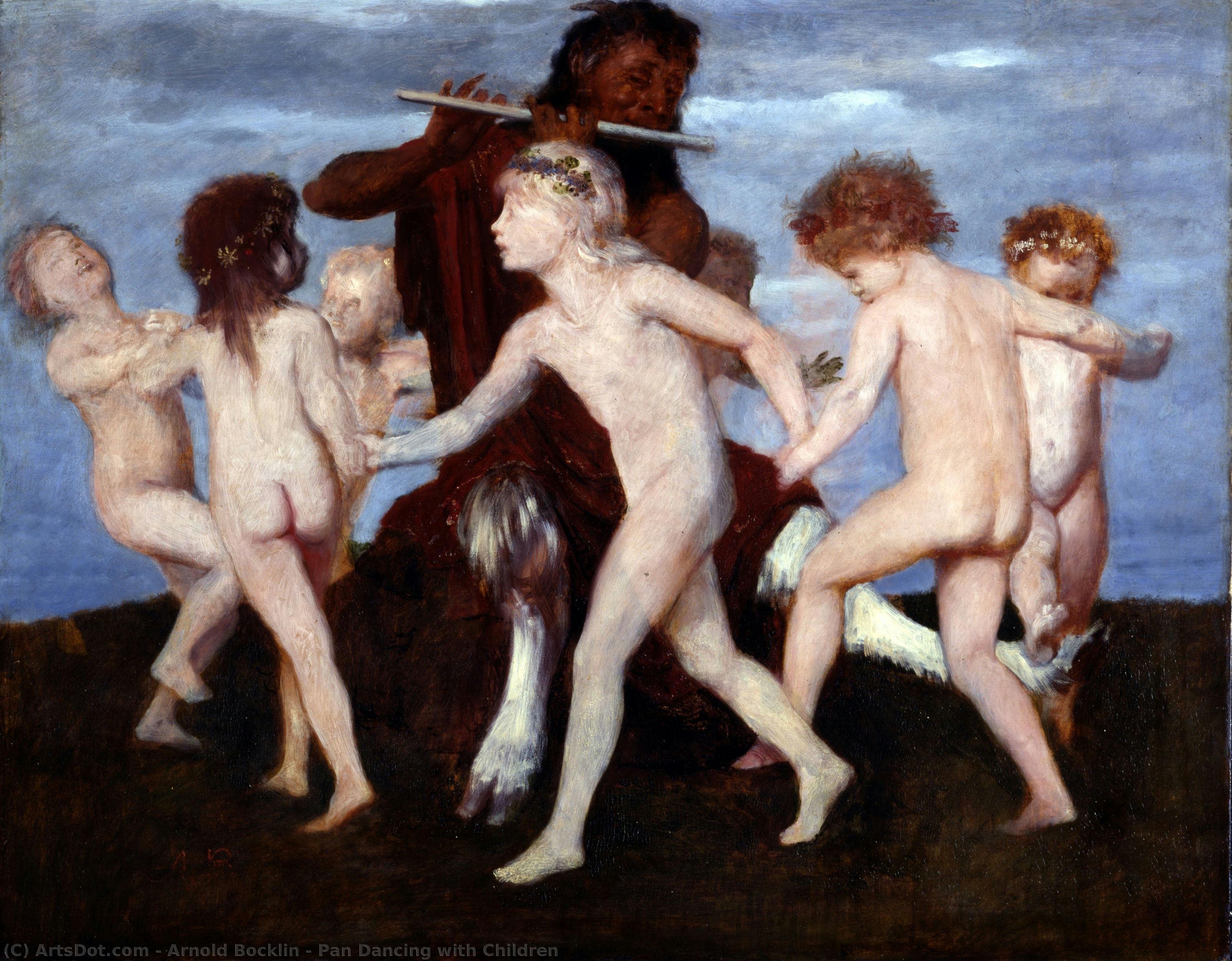
Pan Dancing with Children
지클레 / 아트 프린트
복제본 규격
-


총 결제 금액
₩ 108778
The Enigmatic Dance: Arnold Böcklin’s “Pan Dancing with Children”
Arnold Böcklin's "Pan Dancing with Children," painted around 1884, isn’t merely a depiction of a pastoral scene; it’s an immersion into a realm of mythic beauty and unsettling serenity. This captivating work, currently residing within the Museum Folkwang in Essen, Germany, transcends simple representation, offering instead a profound meditation on childhood innocence, primal connection to nature, and the lingering presence of ancient spirits. Böcklin, a key figure in the Symbolist movement, masterfully employed a muted palette—primarily ochres, browns, and deep greens—to create an atmosphere thick with twilight and dreamlike suggestion. The figures themselves are rendered with a remarkable degree of detail, yet possess an almost ethereal quality, as if caught between worlds.
The painting’s composition is deliberately ambiguous. A central group of nude children, seemingly unburdened by adult concerns, frolic around Pan, the god of the wild, shepherds, and flocks. They are engaged in a variety of activities: playing musical instruments crafted from branches, holding hands in playful circles, and gazing upwards with an expression that blends curiosity and contentment. The inclusion of putti—small winged infants—further enhances the sense of otherworldly grace and innocence. Notice how Böcklin subtly integrates elements of classical mythology – the flute Pan holds is a direct reference to the god’s traditional instrument – alongside the rustic setting, creating a harmonious blend of ancient lore and contemporary observation.
A Glimpse into Symbolist Aesthetics
Böcklin's work firmly establishes him as a pivotal figure in the Symbolist movement, which sought to evoke emotions and ideas rather than simply depict reality. Rejecting the naturalism prevalent in earlier art movements, Symbolists like Böcklin prioritized subjective experience and explored themes of death, memory, and the subconscious. “Pan Dancing with Children” exemplifies this approach through its evocative atmosphere and symbolic imagery. The painting’s muted colors, soft lighting, and dreamlike quality contribute to a sense of melancholy and longing—a feeling that resonates deeply within the viewer.
The choice of nudity is particularly significant. It isn't presented in a provocative manner but rather as an embodiment of primal innocence and connection to nature. The children’s vulnerability underscores their purity, while their joyful dance suggests a liberation from worldly concerns. Böcklin’s meticulous attention to detail—from the texture of the children’s skin to the delicate folds of their clothing—further emphasizes their tangible presence within the scene.
Technique and Materials: A Masterful Blend
While often categorized as a painting, “Pan Dancing with Children” incorporates elements of mixed media. Böcklin skillfully combined oil paints with photographic techniques, creating a unique visual texture that blends the immediacy of photography with the depth and richness of traditional painting. This hybrid approach allowed him to capture fleeting moments of light and shadow, imbuing the scene with an unparalleled sense of realism. The use of layering and glazing—applying thin washes of paint over previous layers—contributes to the work’s luminous quality and creates a subtle interplay of colors.
The artist's background in Düsseldorf, associated with the school known for its emphasis on realistic depiction, is evident in the meticulous rendering of the figures and their surroundings. However, Böcklin departs from traditional academic techniques by prioritizing atmosphere and emotional impact over precise representation. This deliberate shift reflects his commitment to Symbolist principles and his desire to create a work that transcends mere visual observation.
Symbolism and Interpretation: Echoes of Ancient Myths
Beyond its aesthetic qualities, “Pan Dancing with Children” is rich in symbolic meaning. Pan himself represents the untamed spirit of nature—a force both benevolent and potentially dangerous. The children’s dance can be interpreted as a celebration of life, joy, and connection to the natural world. However, there's also an undercurrent of melancholy—a sense that this idyllic scene is fleeting and destined to fade away. The painting subtly evokes themes of mortality and the cyclical nature of time.
The inclusion of ancient myths – Pan’s role as a shepherd god, the presence of putti – connects the work to a broader cultural heritage, suggesting a timeless resonance between humanity and the natural world. Böcklin's masterful use of symbolism invites viewers to engage in their own interpretations, creating a deeply personal and emotionally resonant experience. Reproductions of this iconic artwork continue to captivate audiences with its haunting beauty and profound sense of mystery.
질의응답
아르놀트 뵈클린의 "Pan Dancing with Children"은(는) Symbolist Painting를 작가의 모국과 어떻게 연결하고 있나요?
"Pan Dancing with Children"은 스위스 출신의 아르놀트 뵈클린가 Symbolist Painting 운동의 흐름 속에서 제작한 작품입니다. 작가의 출신 배경은 이 작품을 스위스 예술가들이 선보인 Symbolist Painting 양식과 연결해 줍니다.
"Pan Dancing with Children"은 어떤 종류의 작품인가요?
"Pan Dancing with Children"은(는) WallArt 작품입니다.
아르놀트 뵈클린의 "Pan Dancing with Children"의 엑스레이(X-ray) 이미지를 볼 수 있을까요?
"Pan Dancing with Children"은 작품의 X선 분석 페이지에서 층별로 자세히 살펴볼 수 있습니다. 이 뷰어는 보존 과학자의 라이트 벤치(light bench)에서 영감을 얻었으며, 이미지의 11가지 광학적 판독값을 제공합니다.
작가 소개
초기 생애와 교육
아르놀트 뵈클린은 스위스의 상징주의 화가로, 1827년 10월 16일 스위스 바젤에서 태어났습니다. 그의 아버지 크리스티안 프리드리히 뵈클린은 샤프하우젠의 유서 깊은 가문 출신으로 비단 무역에 종사하였으며, 그의 어머니 우르술라 리페 역시 바젤 태생이었습니다. 뵈클린은 뒤셀도르프 아카데미에서 쉬르머(Schirmer) 문하에 수학하며 안젤름 페어바흐와 우정을 나누는 예술가로 성장하였고, 이는 그를 뒤셀도르프 화파의 흐름과 연결해 주었습니다.예술적 여정과 상징주의
뵈클린의 예술적 여정은 파리를 비롯한 여러 도시로 이어졌습니다. 그는 루브르 박물관에서 근무하며 예술적 지평을 넓혔고, 로마의 경이로운 풍경들로부터 깊은 영감을 받았습니다. 그의 작품 세계는 고전 건축을 배경으로 알레고리와 신화적 인물들을 등장시키며, 죽음과 필멸성이라는 심오한 주제를 탐구하는 데 집중되었습니다.- 그의 초기작 중 하나인 대공원(Great Park)은 고대 신화를 생생하게 보여줍니다.
- 이 시기의 주목할 만한 작품으로는 님프와 사티로스(1858)와 사포(1859)가 있습니다.
- 또한 뵈클린의 자화상: 죽음이 바이올린을 연주하는 모습(1872)은 그의 독창적인 화풍을 극명하게 보여주는 사례입니다.
유산과 영향력
뵈클린은 무엇보다 다섯 가지 버전으로 제작된 죽음의 섬(1880-1886)으로 가장 잘 알려져 있습니다. 이 작품은 그의 딸이 안치된 피렌체의 영국인 묘지를 떠올리게 하는 애틋한 정서를 담고 있습니다. 그의 예술적 성취는 한스 토마와 같은 후배 예술가들에게 영향을 미쳤을 뿐만 아니라, 여러 후기 낭만주의 작곡가들에게 영감을 불어넣었습니다.- 비평가 클레멘트 그린버그는 뵈클린의 작품을 당대의 "가장 완숙한 표현 중 하나"라고 극찬했습니다.
- 뵈클린의 화풍은 라파엘 전파와도 맞닿아 있으며, 꿈과 신비주의의 세계를 강조하는 특징을 지닙니다.
박물관 및 소장처
뵈클린의 걸작들은 현재 다음과 같은 여러 박물관에 소중히 보존되어 있습니다:- 외프엔틀리헤 쿠nstsammlung (스위스 바젤)
- 바젤 미술관 (스위스)
- 취리히 미술관 (스위스 취리히)
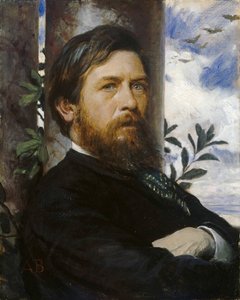
아르놀트 뵈클린
1827 - 1901 , 스위스
작가 정보 요약
- Artistic Movement Or Style: 상징주의
- Artists Or Movements Influenced By This Artist:
- 한스 토마
- 라파엘 전파
- Artists Who Influenced This Artist:
- 쉬르머
- 포이어바흐
- Date Of Birth: 1827년 10월 16일
- Date Of Death: 1901년 1월 16일
- Full Name: 아르놀트 뵈클린
- Nationality: 스위스
- Notable Artworks:
- 죽음의 섬
- 님프와 사티로스
- 사포
- 자화상
- Place Of Birth: 스위스 바젤
관련 기사
Timeless Legends: A Curated Guide to the Eternal Allure of Mythological Masterpieces
Embark on a sophisticated journey through the eternal allure of mythological art. Discover how master painters breathe life into ancient legends, from Greek deities to Baroque masterpieces, and learn to curate these timeless narratives within your own exquisite art collection.
Echoes of Olympus: Mythological Narratives in Western Art Through the Ages
Explore the captivating history of mythological narratives in Western art! From ancient Greece to modern masterpieces, discover iconic artworks & symbolism. Expert analysis and high-quality reproductions at OriginalUniqueArt.
Sir Nathaniel Dance-Holland: Portraiture, Patronage & Georgian Identity
Explore the life & art of Sir Nathaniel Dance-Holland, a leading Georgian portraitist. Discover his masterful technique, influential patrons, and lasting impact on 18th-century British society. A guide for discerning collectors.
Move to the Beat: Bold & Iconic Dance Art to Electrify Your Space
Elevate your space with bold, iconic dance art. From street art vibes to Pop Art masterpieces, discover high-impact, hand-painted reproductions and custom commissions designed to move you. Transform your walls with the rhythm of contemporary culture.

Timeless Legends: The Eternal Allure of Mythological Figures in Masterpiece Art
Explore the profound beauty of mythological figures through the lens of art history. From Renaissance masterpieces to custom oil reproductions, discover how legendary tales of heroism and divinity are immortalized in fine art for discerning collectors.
