

 실제 크기로 보기
 보내기
보내기 공유하기
공유하기
 상세 보기
상세 보기 가이드 보기

 이미지 다운로드
 유사 작품 더 보기
 X-레이
X-레이 슬라이드 쇼 보기
 통계 정보
통계 정보Centaur Watching Fish
 Oil On Canvas
- WallArt
- Symbolism
 1878
1878- 19th Century
 43.0 x 70.0 cm
 Kunsthaus Zürich
 상세 보기
상세 보기
핸드메이드 유화 복제화
작가가 직접 캔버스에 손으로 그린 유화 작품으로, 원하는 크기와 액자로 맞춤 제작해 드립니다. ( 프린트 판매로 전환 디지털 이미지 판매 채널로 전환)




P118B ₩10

P118H ₩10

P118W ₩10

P438Z ₩10

P508JH ₩12

P508YH ₩12

P805H ₩10

P805Z ₩10

P919BZ ₩10

P919G ₩10

P919XJ ₩10

P959ZH ₩10

P968JZ ₩12

W106C ₩8

W218G ₩10

W218JH ₩8

W218Y ₩10

W307PJ ₩10

W316G ₩10

W316PJ ₩8

W316Y ₩10

W398PJ ₩8

W4111J ₩10

W500HY ₩15

W500JH ₩15

W692G ₩12

W849H ₩8

W940BG ₩15

W953PJ ₩8




작품의 원본 비율을 그대로 유지하는 프리셋 사이즈 중에서 선택해 보세요.

액자나 벽면 크기에 맞춰 필요한 가로와 세로 길이를 입력해 주세요. 본 작품은 수작업으로 제작되므로, 요청하신 비율에 따라 작가가 그림의 가장자리를 조금 더 넓게 그리거나 일부를 조정하여 작업할 수 있습니다. 작업 시작 전, 최종 확인을 위해 디지털 목업 이미지를 보내드립니다. 이 페이지에 표시된 이미지는 실제 결과물과 다를 수 있으며, 오직 목업 이미지만이 정확한 결과물을 보여줍니다.
주문 완료 후 OriginalUniqueArt.com 팀에서 상세 안내를 위해 고객님께 이메일을 보내드리며, 미리보기 시안을 함께 제공해 드립니다.


 유리 옵션은 110cm 미만 크기에서만 선택 가능합니다.

Centaur Watching Fish
재현 매체
복제본 규격
-


총 결제 금액
₩ 412324
A Silent Meditation on Nature and Mortality
In the quietude of Arnold Böcklin’s 1878 masterpiece, “Centaur Watching Fish,” the viewer is invited into a realm where the boundaries between the mythological and the terrestrial dissolve. This evocative oil on canvas, currently held in the prestigious Kunsthaus Zürich, serves as a profound gateway into the Symbolist movement—a period of art history dedicated to exploring the hidden psychological depths of the human soul. Rather than presenting a mere scene from ancient legend, Böcklin crafts an immersive experience that speaks to the universal themes of solitude and the silent, rhythmic pulse of the natural world. The centaur, a creature of dual nature, reclines upon a serene shoreline, his gaze fixed upon the movement beneath the water's surface, creating a moment of suspended animation that feels both eternal and fleeting.
The composition is masterfully orchestrated to evoke a sense of Romantic reverie. Utilizing a horizontal format, Böcklin emphasizes the reclining posture of the centaur, grounding the mythological figure within a landscape of soft sands and swaying grasses. The artist deliberately eschews the rigid precision of strict realism in favor of an emotional truth. Through the use of diffused lighting and gentle shadows, he establishes an atmosphere of melancholic stillness. This technique allows the viewer to feel the weight of the silence, as if the very air around the creature is heavy with contemplation. It is a painting that does not demand attention through spectacle, but rather earns it through a subtle, haunting intimacy.
The Mastery of Texture and Atmosphere
Technically, “Centaur Watching Fish” is a triumph of texture and perspective. Böcklin employs the impasto technique with remarkable skill, applying thick, deliberate layers of paint to render the coarse fur of the centaur’s equine half. This tactile richness provides a palpable sense of physicality, making the creature feel present and breathing within the frame. To balance this heavy texture, the artist utilizes atmospheric perspective to create an illusion of infinite depth. By reducing color saturation and softening the details of the distant horizon, he simulates a hazy, dreamlike distance that reinforces the theme of isolation. This method draws a direct lineage from the Romantic masters like Caspar David Friedrich, using the landscape as a mirror for spiritual introspection.
The color palette is a sophisticated arrangement of earthy tones—ochres, deep browns, and muted beiges—which lends the work an organic, timeless quality. These warm, grounded hues are contrasted by the subtle, shimmering light reflecting off the water, drawing the eye toward the focal point of the centaur’s quiet observation. For the collector or interior designer, this piece offers a unique aesthetic versatility; its somber yet tranquil mood provides a sophisticated anchor for a room, offering a sense of historical depth and intellectual gravity that more contemporary works may lack.
Symbolism: The Intersection of Myth and Being
Beyond its visual splendor, the painting functions as a complex symbolic tapestry. The centaur itself—a hybrid of human intellect and animal instinct—serves as a powerful metaphor for the duality of existence. As he watches the fish, there is a profound sense of the relationship between humanity and the untamed elements of nature. The act of watching becomes a meditation on mortality; the stillness of the figure suggests a resignation to the cycles of life and death that govern both man and beast. There is a touch of sadness in his solitude, yet it is a beautiful, dignified melancholy that celebrates the quiet dignity of existence.
For those seeking to bring a piece of this profound emotional landscape into their personal spaces, a high-quality reproduction of this work offers more than just decoration. It provides a window into a bygone era of artistic exploration, a constant reminder of the beauty found in silence and the enduring power of myth. Whether placed in a library, a study, or a curated gallery space, “Centaur Watching Fish” continues to provoke thought, inviting all who encounter it to pause, breathe, and reflect upon the silent wonders of the world.
질의응답
아르놀트 뵈클린의 "Centaur Watching Fish"의 어떤 프린트 사이즈가 추천된 공간에 잘 어울릴까요?
아르놀트 뵈클린의 "Centaur Watching Fish"에 추천하는 조합: Living Room 공간에 어울리는 Small 사이즈 프린트입니다.
아르놀트 뵈클린의 "Centaur Watching Fish"은 어떤 분위기와 감정을 전달하나요?
아르놀트 뵈클린의 "Centaur Watching Fish"에 담긴 분위기는 Romantic이며, 정서적 어조는 Melancholic입니다.
"Centaur Watching Fish"의 유화 복제본을 주문할 수 있을까요?
아르놀트 뵈클린의 "Centaur Watching Fish"의 수작업 복제화는 주문 제작 방식으로 수작업 유화 복제화 페이지에서 직접 주문하실 수 있습니다: 리넨 캔버스 위에 손으로 직접 그린 유화 복제화
작가 소개
초기 생애와 교육
아르놀트 뵈클린은 스위스의 상징주의 화가로, 1827년 10월 16일 스위스 바젤에서 태어났습니다. 그의 아버지 크리스티안 프리드리히 뵈클린은 샤프하우젠의 유서 깊은 가문 출신으로 비단 무역에 종사하였으며, 그의 어머니 우르술라 리페 역시 바젤 태생이었습니다. 뵈클린은 뒤셀도르프 아카데미에서 쉬르머(Schirmer) 문하에 수학하며 안젤름 페어바흐와 우정을 나누는 예술가로 성장하였고, 이는 그를 뒤셀도르프 화파의 흐름과 연결해 주었습니다.예술적 여정과 상징주의
뵈클린의 예술적 여정은 파리를 비롯한 여러 도시로 이어졌습니다. 그는 루브르 박물관에서 근무하며 예술적 지평을 넓혔고, 로마의 경이로운 풍경들로부터 깊은 영감을 받았습니다. 그의 작품 세계는 고전 건축을 배경으로 알레고리와 신화적 인물들을 등장시키며, 죽음과 필멸성이라는 심오한 주제를 탐구하는 데 집중되었습니다.- 그의 초기작 중 하나인 대공원(Great Park)은 고대 신화를 생생하게 보여줍니다.
- 이 시기의 주목할 만한 작품으로는 님프와 사티로스(1858)와 사포(1859)가 있습니다.
- 또한 뵈클린의 자화상: 죽음이 바이올린을 연주하는 모습(1872)은 그의 독창적인 화풍을 극명하게 보여주는 사례입니다.
유산과 영향력
뵈클린은 무엇보다 다섯 가지 버전으로 제작된 죽음의 섬(1880-1886)으로 가장 잘 알려져 있습니다. 이 작품은 그의 딸이 안치된 피렌체의 영국인 묘지를 떠올리게 하는 애틋한 정서를 담고 있습니다. 그의 예술적 성취는 한스 토마와 같은 후배 예술가들에게 영향을 미쳤을 뿐만 아니라, 여러 후기 낭만주의 작곡가들에게 영감을 불어넣었습니다.- 비평가 클레멘트 그린버그는 뵈클린의 작품을 당대의 "가장 완숙한 표현 중 하나"라고 극찬했습니다.
- 뵈클린의 화풍은 라파엘 전파와도 맞닿아 있으며, 꿈과 신비주의의 세계를 강조하는 특징을 지닙니다.
박물관 및 소장처
뵈클린의 걸작들은 현재 다음과 같은 여러 박물관에 소중히 보존되어 있습니다:- 외프엔틀리헤 쿠nstsammlung (스위스 바젤)
- 바젤 미술관 (스위스)
- 취리히 미술관 (스위스 취리히)
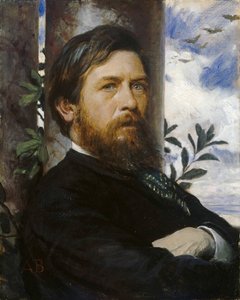
아르놀트 뵈클린
1827 - 1901 , 스위스
작가 정보 요약
- Artistic Movement Or Style: 상징주의
- Artists Or Movements Influenced By This Artist:
- 한스 토마
- 라파엘 전파
- Artists Who Influenced This Artist:
- 쉬르머
- 포이어바흐
- Date Of Birth: 1827년 10월 16일
- Date Of Death: 1901년 1월 16일
- Full Name: 아르놀트 뵈클린
- Nationality: 스위스
- Notable Artworks:
- 죽음의 섬
- 님프와 사티로스
- 사포
- 자화상
- Place Of Birth: 스위스 바젤
관련 기사

Romantic Realism's Finest: 10 Masterpieces for Your Home | OriginalUniqueArt
Explore 10 defining masterpieces of Romantic Realism! Discover Courbet, Millet & Daumier's powerful paintings—capturing emotion and social realities. Find museum-quality reproductions for your home at OriginalUniqueArt.com.

The Enduring Power of Painting: A Historical & Contemporary Exploration of Form and Emotion
Explore the rich history & enduring techniques of oil painting with OriginalUniqueArt. Discover masterpieces, learn about art collecting, and find authentic handmade reproductions crafted by skilled artists.

The Enduring Legacy of Oil on Canvas: Technique, History & Aesthetic Impact
Explore the rich history & techniques of oil painting – from Renaissance masters to Impressionism. Discover pigments, layering methods, and why this timeless medium endures. Expert insights for artists & art enthusiasts.

Oil on Canvas: A Historical & Technical Exploration of a Timeless Artistic Medium
Explore the rich history & enduring techniques of oil painting on canvas. Discover the science behind its longevity, conservation practices, and contemporary relevance. Expert insights for art enthusiasts.

캔버스의 유산: 기법, 역사 그리고 현대적 실천
유화의 역사와 기법부터 현대적 실천까지, 캔버스의 모든 것을 심도 있게 다룹니다. 주요 화가들의 작품 분석과 유화 제작 과정을 상세히 안내하며, 아트 컬렉션을 위한 최고의 정보를 제공합니다.
