

 보내기
보내기 공유하기
공유하기
 상세 보기
상세 보기 가이드 보기

 이미지 다운로드
 유사 작품 더 보기
 슬라이드 쇼 보기
 통계 정보
통계 정보Orpheus


 상세 보기
상세 보기
핸드메이드 유화 복제화
작가가 직접 캔버스에 손으로 그린 유화 작품으로, 원하는 크기와 액자로 맞춤 제작해 드립니다. ( 프린트 판매로 전환 디지털 이미지 판매 채널로 전환)




































작품의 원본 비율을 그대로 유지하는 프리셋 사이즈 중에서 선택해 보세요.

액자나 벽면 크기에 맞춰 필요한 가로와 세로 길이를 입력해 주세요. 본 작품은 수작업으로 제작되므로, 요청하신 비율에 따라 작가가 그림의 가장자리를 조금 더 넓게 그리거나 일부를 조정하여 작업할 수 있습니다. 작업 시작 전, 최종 확인을 위해 디지털 목업 이미지를 보내드립니다. 이 페이지에 표시된 이미지는 실제 결과물과 다를 수 있으며, 오직 목업 이미지만이 정확한 결과물을 보여줍니다.
주문 완료 후 OriginalUniqueArt.com 팀에서 상세 안내를 위해 고객님께 이메일을 보내드리며, 미리보기 시안을 함께 제공해 드립니다.


 유리 옵션은 110cm 미만 크기에서만 선택 가능합니다.

Orpheus
재현 매체
복제본 규격
-


총 결제 금액
₩ 407249
A Symphony in Marble: Unveiling Antonio Canova’s Orpheus
Antonio Canova's "Orpheus," completed in 1776, isn’t merely a sculpture; it’s an immersive experience. This monumental work, originally intended for the garden of Villa Falier at Asolo, transports us to a realm where myth and emotion converge with breathtaking artistry. The piece captures the legendary musician's poignant descent into the underworld to retrieve his lost love, Eurydice, a narrative steeped in grief, longing, and ultimately, the enduring power of music.
Canova’s genius lies not just in replicating the classical form but in imbuing it with an astonishing depth of feeling. The figure of Orpheus is rendered with a remarkable dynamism—one arm raised as if conducting an invisible orchestra, his body leaning forward with a palpable sense of urgency and despair. The subtle shifts in musculature, the delicate curve of his lips, and the anguished expression on his face all speak to the profound sorrow he carries within him. The sculpture’s placement within a rocky base subtly grounds this ethereal figure, anchoring it to the earthly realm from which he's venturing into the shadowy depths.
Neoclassical Mastery: Technique and Materials
Crafted entirely from Carrara marble—a material renowned for its purity and luminosity—"Orpheus" exemplifies Canova’s unparalleled technical skill. The surface is polished to a breathtaking sheen, reflecting light in a way that highlights the intricate details of the drapery and the musculature of the body. Note the masterful rendering of folds and creases in the fabric, suggesting both movement and weight. Canova's technique demonstrates an almost obsessive attention to detail; every line, every shadow, contributes to the sculpture’s overall sense of realism and emotional intensity. The use of contrasting textures—the smooth, polished marble against the rougher texture of the base—further enhances the visual impact.
The work's scale is also significant – a monumental piece designed to command attention and evoke contemplation. Canova’s decision to create such a large-scale sculpture speaks to his ambition and his desire to capture not just a likeness but an entire emotional state. The sheer size of the figure invites viewers to step closer, to lose themselves in its details, and to feel the weight of Orpheus's sorrow.
Mythic Resonance: Symbolism and Interpretation
Beyond the literal depiction of the myth, “Orpheus” is rich with symbolic meaning. The raised arm, often interpreted as a gesture of pleading or lamentation, underscores Orpheus’s desperate attempt to sway Hades and Eurydice back to him. The laurel wreath, a symbol of victory and honor, subtly juxtaposes the tragedy of his loss with the enduring power of his music—a testament to his artistic legacy. The setting itself – a rocky outcrop reminiscent of the underworld – reinforces the sculpture’s themes of death, mourning, and the journey beyond earthly boundaries.
The story of Orpheus and Eurydice has resonated throughout Western art and literature for centuries, serving as a potent metaphor for love, loss, and the transformative power of creativity. Canova's "Orpheus" captures this enduring resonance with remarkable sensitivity and skill, offering viewers a timeless meditation on the human condition.
A Legacy in Stone: Context and Influence
Created during the height of the Neoclassical period (late 18th century), “Orpheus” reflects the movement’s emphasis on classical ideals—harmony, balance, and idealized beauty. Canova was a leading figure in this artistic revival, drawing inspiration from ancient Greek and Roman sculpture while imbuing his work with a distinctly modern sensibility. His ability to capture human emotion with such precision and grace cemented his reputation as one of the greatest sculptors of all time.
Today, Canova’s “Orpheus” continues to captivate audiences worldwide. Reproductions offer an accessible way to experience this masterpiece, bringing its profound beauty and emotional depth into homes and galleries. It stands as a powerful reminder of the enduring legacy of classical mythology and the transformative power of art.
질의응답
"Orpheus"의 전체적인 밝기는 어느 정도인가요?
전반적으로 "Orpheus"의 밝기는 shadow로 기록되었습니다. 인지된 밝기는 작품이 얼마나 밝거나 어둡게 보이는지를 나타냅니다.
안토니오 카노바의 "Orpheus"의 복제화가 공간에 어떤 분위기를 선사할까요?
Calm 분위기를 자아내는 "Orpheus"은(는) Living Room에 추천합니다.
안토니오 카노바의 "Orpheus"의 재료는 무엇인가요?
안토니오 카노바은(는) "Orpheus" 작품에 Marble 기법을 사용했습니다. 이 기법은 원작의 재료적 특성을 잘 보여줍니다.
작가 소개
안토니오 카노바: 대리석에 새긴 생애
- 출생: 이탈리아 포사뇨 (1757년)
- 사망: 1822년
안토니오 카노바는 서양 미술사에서 거대한 이정표를 세운 인물로, 신고전주의 조각의 정점에 선 거장으로 추앙받습니다. 대리석을 다루는 그의 경이로운 숙련도와 고전적 형태 속에 깊은 감정을 불어넣는 능력은 그를 시대를 초라하게 만드는 위대한 예술가 반열에 올려놓았습니다. 이탈리아 포사뇨에서 석공이었던 피에트로 카노바의 아들로 태어난 그의 어린 시절은 예술적 영감이 가득한 환경 속에서 형성되었습니다.
유년기와 예술적 훈련
- 가족적 배경: 아버지의 직업 덕분에 그는 아주 어릴 때부터 석조 조각을 접할 수 있었으며, 제단과 저부조를 전문으로 하던 조각가였던 할아버지 파시노 카노바는 그의 재능을 꽃피우는 데 결정적인 역할을 했습니다.
- 초기 예술적 발전: 카노바는 열 살이 되기도 전에 타고난 능력을 증명하며 작은 대리석 성소들을 만들어냈습니다. 이후 주세페 베르나르디('토레토')와 조반니 페라리의 밑에서 도제로 수학하며 기술을 더욱 정교하게 다듬었습니다.
- 아카데미 시절: 베네치아 미술 아카데미에서의 학업은 수많은 수상으로 이어졌고, 이는 유망한 젊은 예술가로서 그의 명성을 공고히 했습니다. 당시 수도원 내의 작업실은 그가 예술적 기량을 펼칠 소중한 공간이 되어주었습니다.
- 초기 의뢰 작품: 조반니 팔리에르 상원의원을 위해 제작한 오르페우스와 에우리디케 상(1775-1777)과 같은 초기 작업들은 당시 유행하던 로코코 양식을 보여주면서도, 훗날 그가 완성할 신고전주의적 정교함의 전조를 보여주었습니다.
명성의 부상과 신고전주의 양식
- 신고전주의의 정의: 카노바의 작품은 우아한 형태, 이상화된 인물, 그리고 고대 그리스와 로마의 미학적 원칙으로의 회귀를 특징으로 합니다. 그는 바로크 예술 특유의 과도한 극치감을 피하면서도, 초기 고전 부흥 시도가 가졌던 차가움에 매몰되지 않고 그 사이에서 절묘한 균형을 찾아냈습니다.
- 주요 작품과 명성: 큐피드와 프시케(c. 1787-1793), 참회하는 마그달레나, 헤라클레스와 리카스와 같은 조각들은 유럽 전역에 그의 이름을 떨치게 했습니다. 그의 작품은 왕실과 귀족들 사이에서 매우 높은 가치를 인정받으며 열렬한 추앙을 받았습니다.
- 명성의 확산: 카노바는 자신의 작품을 판화로 제작하여 출판하고, 석고 캐스트를 대리석 버전으로 재현하는 전략적인 방법을 통해 자신의 예술적 성취를 유럽 전역에 널리 알렸습니다.
- 국제적 찬사: 로마 주재 베네치아 대사인 지롤라모 줄리아니를 위한 테세우스와 미노타우로스 상을 포함하여, 유럽 각지에서 쏟아진 의뢰들은 그를 유럽에서 가장 유명한 예술가 중 한 명으로 확고히 자리매김하게 했습니다.
주요 작품과 유산
- 주목할 만한 조각들: 앞서 언급된 작품 외에도 이탈리아의 비너스, 음악의 뮤즈 폴리히므니아, 춤추는 삼미신, 그리고 애절한 감정이 깃든 에우리디체 등은 그의 예술적 깊이를 보여주는 걸작들입니다.
- 기념비적 의뢰: 그는 묘비 제작에 있어서도 권위 있는 의뢰를 받았는데, 특히 로마 성 베드로 대성당에 안치된 정교한 교황 클레멘스 13세의 묘는 조각과 건축 설계 모두에서 그의 탁월한 능력을 입증하는 증거입니다.
- 안토니오 카노바 지포테카: 안토니오 카노바 지포테카(Gipsoteca Antonio Canova) 박물관은 그의 가장 중요한 작품들을 소장하고 있으며, 그의 창조적 과정과 예술적 진화를 엿볼 수 있는 귀중한 통찰을 제공합니다.
- 후대에 미친 영향: 카노바의 영향력은 생애를 넘어 신고전주의 조각의 흐름을 형성하였으며, 그의 기술적 숙련도와 표현력은 후대 예술가들에게 끊임없는 영감을 주었습니다.
역사적 의의
- 신고전주의의 화신: 안토니오 카노바는 질서, 명료함, 그리고 고대 고전주의로의 회귀라는 신고전주의 운동의 이상을 완벽하게 구현하며 그 운동 자체와 동의어가 되었습니다.
- 궁정 조각가이자 외교관: 유럽의 여러 통치자들을 위한 궁정 조각가로서의 지위는 그에게 상당한 정치적 영향력을 부여했으며, 대륙 전역의 예술적 취향을 형성하는 데 기여하게 했습니다.
- 기술적 혁신: 대리석을 깎아내는 카노바의 독보적인 기술은 조각적 가능성의 경계를 확장시켰으며, 조각 예술의 탁월함에 대한 새로운 기준을 세웠습니다.
- 영원한 예술적 유산: 그의 조각들은 오늘날에도 전 세계 관객들을 매료시키고 있으며, 역사상 가장 중요하고 영향력 있는 예술가 중 한 명으로서 그의 자리를 확고히 하고 있습니다.

안토니오 카노바
1757 - 1822 , 이탈리아
작가 정보 요약
- Artistic Movement Or Style: 신고전주의
- Artists Or Movements Influenced By This Artist: ['후기 신고전주의 예술가들']
- Artists Who Influenced This Artist: ['후기 바로크 조각가들']
- Date Of Birth: 1757
- Date Of Death: 1822
- Full Name: 안토니오 카노바
- Nationality: 이탈리아
- Notable Artworks:
- 큐피드와 프시케
- 참회하는 마그달레나
- 헤라클레스와 리카스
- 테세우스와 미노타우로스
- 춤추는 삼미신
- 에우리디케
- 이탈리아의 비너스
- Place Of Birth (City And Country): 이탈리아, 포사뇨
관련 기사

Bronze Sculptures That Defined Art History | OriginalUniqueArt
Journey through art history with our Top 10 bronze sculptures! Explore masterpieces by Rodin, Michelangelo & more. Discover stories behind iconic statues and find museum-quality reproductions for your home decor at OriginalUniqueArt.com.

The Enduring Form: Exploring Themes & Techniques in Sculpture Across Historical Periods
Explore the rich history of sculpture from ancient masterpieces to contemporary innovations. Discover key techniques, influential artists & investment potential for discerning art collectors.
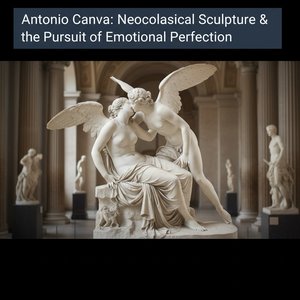
Antonio Canova: Neoclassical Sculpture & the Pursuit of Emotional Perfection
Explore the life & art of Antonio Canova, the greatest Neoclassical sculptor. Discover his masterpieces, innovative techniques, and lasting influence on fine art collecting. Expert insights for discerning investors.

The Enduring Allure of Marble in Art History: From Classical Sculpture to Modern Abstraction
Explore the captivating history of marble sculpture from ancient Greece to modern art. Discover renowned artists like Canova & Michelangelo, carving techniques, and investment insights at OriginalUniqueArt.
Timeless Elegance: A Complete Guide to the Sublime Beauty and Artistry of Marble Sculpture
Discover the sublime beauty of marble art through an expert exploration of Renaissance and Neoclassical masterpieces. From the delicate textures of Carpeaux to the grandeur of Sansovino, immerse yourself in a guide to timeless elegance and sculptural perfection.
