

 실제 크기로 보기
 보내기
보내기 공유하기
공유하기
 상세 보기
상세 보기 가이드 보기

 이미지 다운로드
 유사 작품 더 보기
 X-레이
X-레이 슬라이드 쇼 보기
 통계 정보
통계 정보벽화 조각


 상세 보기
상세 보기
핸드메이드 유화 복제화
작가가 직접 캔버스에 손으로 그린 유화 작품으로, 원하는 크기와 액자로 맞춤 제작해 드립니다. ( 프린트 판매로 전환 디지털 이미지 판매 채널로 전환)




P118B ₩10

P118H ₩10

P118W ₩10

P438Z ₩10

P508JH ₩12

P508YH ₩12

P805H ₩10

P805Z ₩10

P919BZ ₩10

P919G ₩10

P919XJ ₩10

P959ZH ₩10

P968JZ ₩12

W106C ₩8

W218G ₩10

W218JH ₩8

W218Y ₩10

W307PJ ₩10

W316G ₩10

W316PJ ₩8

W316Y ₩10

W398PJ ₩8

W4111J ₩10

W500HY ₩15

W500JH ₩15

W692G ₩12

W849H ₩8

W940BG ₩15

W953PJ ₩8




작품의 원본 비율을 그대로 유지하는 프리셋 사이즈 중에서 선택해 보세요.

액자나 벽면 크기에 맞춰 필요한 가로와 세로 길이를 입력해 주세요. 본 작품은 수작업으로 제작되므로, 요청하신 비율에 따라 작가가 그림의 가장자리를 조금 더 넓게 그리거나 일부를 조정하여 작업할 수 있습니다. 작업 시작 전, 최종 확인을 위해 디지털 목업 이미지를 보내드립니다. 이 페이지에 표시된 이미지는 실제 결과물과 다를 수 있으며, 오직 목업 이미지만이 정확한 결과물을 보여줍니다.
주문 완료 후 OriginalUniqueArt.com 팀에서 상세 안내를 위해 고객님께 이메일을 보내드리며, 미리보기 시안을 함께 제공해 드립니다.


 유리 옵션은 110cm 미만 크기에서만 선택 가능합니다.

벽화 조각
재현 매체
복제본 규격
-


총 결제 금액
₩ 479012
안토니오 보시오의 벽화 조각 파편 분석과 예술적 의미 탐구
벽화 조각 파편은 이탈리아 화가 안토니오 보시오의 작품으로, 1632년에 제작되었습니다. 이 그림은 성인들의 모습이 아치형 정원이나 문처럼 보이는 건축 프레임 안에 배치된 종교적인 장면을 담고 있습니다. 초기 회화 기법과 유사한 밀도 높은 해초와 교차선 기법을 사용하여 명암 변화를 표현하고 형태를 정의하며 독특한 분위기를 연출했습니다. 이 그림은 보시오의 예술적 재능과 당시 미술계의 흐름을 반영하는 중요한 작품입니다.- 작품 정보: 제목: 벽화 조각 파편, 화가: 안토니오 보시오 (1575년 태생), 제작 연도: 1632년
- 기법 분석: 보시오의 작품은 해초와 교차선 기법을 사용하여 명암 변화를 표현하고 형태를 정의하는 방법으로 제작되었습니다. 이는 초기 회화 기법과 유사하며, 특히 성인들의 모습이 아치형 정원이나 문처럼 보이는 건축 프레임 안에 배치된 종교적인 장면을 담고 있습니다. 이러한 기법은 그림 전체에 깊이와 질감을 부여하여 관람객에게 시각적 즐거움을 선사합니다.
- 역사적 맥락: 이 벽화 조각 파편은 바로크 시대 미술의 중요한 작품으로 평가받습니다. 보시오는 로마 카타콤브 탐험가로 명성을 얻었으며, 그의 작품은 당시 종교 예술과 건축 양식에 대한 이해를 높이는 데 기여했습니다. 특히 카타콤브 벽화는 초기 기독교 문화와 신앙심을 표현하는 중요한 요소였습니다.
- 상징적 의미: 이 그림 속의 교회는 믿음과 순례의 상징이며, 성인들의 모습은 희생과 구원의 메시지를 전달합니다. 또한 아치형 정원이나 문처럼 보이는 건축 프레임은 신성함과 보호를 상징하며 보는 이에게 깊은 감동을 선사합니다. 보시오는 이러한 상징적 요소들을 통해 작품에 풍부한 의미와 아름다움을 더했습니다.
- 감정적 영향: 벽화 조각 파편은 관람객에게 고요함과 경외감을 불러일으키며 영적인 경험을 제공합니다. 보시오의 작품은 단순한 그림 이상의 가치를 지니고 있으며, 예술가로서 그의 뛰어난 기법과 감성 표현 능력을 보여줍니다. 이 그림은 보는 이에게 깊은 사색과 감동을 선사하며 예술적 아름다움을 느낄 수 있도록 해줍니다.
질의응답
Antonio Bosio의 "벽화 조각"은(는) 퍼블릭 도메인에 속하나요? 그 이유는 무엇인가요?
Antonio Bosio의 "벽화 조각"은(는) 퍼블릭 도메인 - 저작권 보호 기간이 만료되었습니다 상태입니다. 저작권 보호 기간은 작가가 사망한 1629년부터 기산됩니다.
Antonio Bosio의 "벽화 조각"에는 어떤 소재가 등장하나요?
Antonio Bosio의 "벽화 조각"에 나타난 주제로는 religious scene, catacombs, architecture, cross symbolism, medieval art, hatching technique, early engraving 등이 있습니다. 이들은 모여 작품의 소재를 요약해 보여줍니다.
"벽화 조각" 작품을 증강 현실(AR)로 미리 볼 수 있나요?
Antonio Bosio의 "벽화 조각"의 AR 미리보기 페이지에서는 증강 현실(AR) 기술을 사용하여 호환 가능한 기기를 통해 작품이 사용자의 공간에 배치된 모습을 미리 확인할 수 있습니다.
작가 소개
A Life Dedicated to Unearthing the Sacred Past
Antonio Bosio, born in Valletta, Malta around 1575, was a figure whose life transcended the typical boundaries of artistic practice. While often remembered as a painter, his true legacy lies in his pioneering archaeological work—specifically, his meticulous and passionate exploration of the Roman catacombs. Bosio’s story is one of dedication, intellectual curiosity, and a profound desire to connect with the early Christian world. His family background remains somewhat shrouded in mystery; historical accounts suggest a complex lineage involving a father bound by religious vows and a mother who may have been a North African slave or servant. This personal ambiguity perhaps fueled his lifelong fascination with hidden histories and marginalized narratives.
Bosio’s journey to Rome as a child marked a turning point in his life. He quickly became integrated into the circles of the Knights of Malta, eventually serving as their agent within the city. However, it was not through diplomatic duties that he found his calling but through an insatiable thirst for knowledge about the ancient world beneath his feet. In 1593, he embarked on a systematic study of the catacombs—a network of subterranean burial places used by early Christians and Jews. This undertaking was revolutionary for its time; previous explorations had been sporadic and largely undocumented. Bosio approached the task with an almost scientific rigor, meticulously mapping tunnels, documenting frescoes, and collecting artifacts.
The Roma Sotterranea: A Monumental Publication
Bosio’s most enduring achievement is undoubtedly his *Roma Sotterranea*, a comprehensive account of his catacomb explorations. Published posthumously in 1634, the work represents a monumental effort to preserve and disseminate knowledge about early Christian art and history. The publication wasn't merely a descriptive catalog; it was an attempt to reconstruct the spiritual and cultural landscape of Rome’s earliest communities. The engravings within *Roma Sotterranea* are particularly noteworthy for their detail and accuracy, providing invaluable visual documentation of frescoes that have since deteriorated or been lost. Bosio’s line work captures not only the physical form of the paintings but also a sense of the atmosphere—the dim light, the damp stone, the weight of centuries.
The creation of *Roma Sotterranea* was a painstaking process. Bosio faced numerous challenges, including limited access to certain catacombs, the logistical difficulties of working in subterranean environments, and the lack of established archaeological techniques. He relied heavily on his own observations, supplemented by information gathered from local informants and existing historical sources. The publication’s impact was immediate and far-reaching; it became a standard reference work for scholars and artists alike, shaping perceptions of early Christian art for generations to come.
Artistic Style & Religious Context
While primarily known as an archaeologist, Bosio was also a skilled painter. His artistic style reflects the influence of the Baroque movement—characterized by dramatic compositions, rich colors, and a heightened sense of emotion. He specialized in wall paintings, often depicting religious scenes with a focus on martyrdom and divine intervention. His work can be found in various churches and chapels around Valletta, showcasing his mastery of fresco technique and his ability to convey complex theological concepts through visual imagery.
Bosio’s artistic endeavors were deeply intertwined with his archaeological pursuits. His study of early Christian art informed his own painting style, leading him to incorporate elements of ancient iconography and symbolism into his compositions. He sought to create works that not only celebrated the faith but also evoked a sense of spiritual awe and reverence. The religious context of Bosio’s life—his association with the Knights of Malta and his dedication to uncovering the sacred past—played a crucial role in shaping his artistic vision.
Legacy & Historical Significance
Antonio Bosio's contribution extends beyond the realm of art history; he is considered a foundational figure in the development of modern archaeology. His systematic approach to excavation, documentation, and publication set a new standard for archaeological research. He was among the first to recognize the importance of preserving cultural heritage and making it accessible to a wider audience.
- Pioneering Methodology: Bosio’s meticulous mapping and documentation techniques laid the groundwork for future archaeological investigations.
- Preservation of Early Christian Art: *Roma Sotterranea* provided invaluable visual records of frescoes that have since been lost or damaged.
- Influence on Scholarship & Art: His work became a standard reference for scholars and artists, shaping perceptions of early Christian art for centuries.
- Connecting Past & Present: Bosio’s dedication to uncovering the sacred past fostered a deeper understanding of Rome’s cultural heritage.
Though his life was cut short in 1629, Antonio Bosio left an indelible mark on the world. He remains a testament to the power of intellectual curiosity, unwavering dedication, and the enduring human desire to connect with the stories of those who came before us. His legacy continues to inspire archaeologists, art historians, and anyone fascinated by the mysteries of the past.
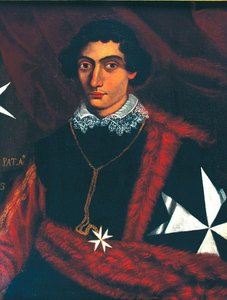
Antonio Bosio
1575 - 1629 , Malta
작가 정보 요약
- Full Name: Antonio Bosio
- Nationality: Maltese
- Date Of Birth: 1575
- Date Of Death: 1629
- Place Of Birth: Valletta, Malta
- Notable Artworks: ['Roma Sotterranea']
- Artistic Movement Or Style: Baroque Painting
- Artists Or Movements Influenced By This Artist: ['Giovanni Battista de Rossi']
관련 기사

The Dramatic Flourish: Exploring the Baroque Movement's Enduring Legacy in Art History
Explore the dramatic world of Baroque art! Discover iconic artists like Caravaggio & Rubens, defining techniques, and its lasting impact on art history. Expert insights for collectors & enthusiasts at OriginalUniqueArt.

Engraving's Golden Age: 10 Masterpieces That Redefined Art | OriginalUniqueArt
Journey through art history with our Top 10 Legendary Engravings! Explore masterpieces by Dürer, Rembrandt & Goya. Discover the stories behind these iconic prints and find museum-quality reproductions for your home at OriginalUniqueArt.com.

바로크의 드라마: 현대 인테리어에 풍요로움과 감동을 불어넣기
바로크 예술의 풍요로운 세계를 탐험하고, 현대 인테리어에 감동을 불어넣는 방법을 OriginalUniqueArt에서 만나보세요. 카라바조, 렘브란트 등 거장들의 작품과 키아로스쿠로 기법 활용 노하우를 공개합니다.

The Intricate World of Engraving: A Historical Survey of Technique, Artistic Expression & Enduring Legacy
Explore the rich history of engraving with OriginalUniqueArt. Discover techniques, iconic artists like Dürer & Callot, collecting tips, and expert guidance for preserving your art investment. Learn about intaglio printing & more!

Engraving: A Historical Survey of Technique, Artistic Expression & Enduring Legacy
Explore the rich history of engraving with OriginalUniqueArt. Discover techniques, iconic artists like Dürer & Callot, collecting tips, and expert guidance for preserving your art investment. Learn about intaglio printing & more!
